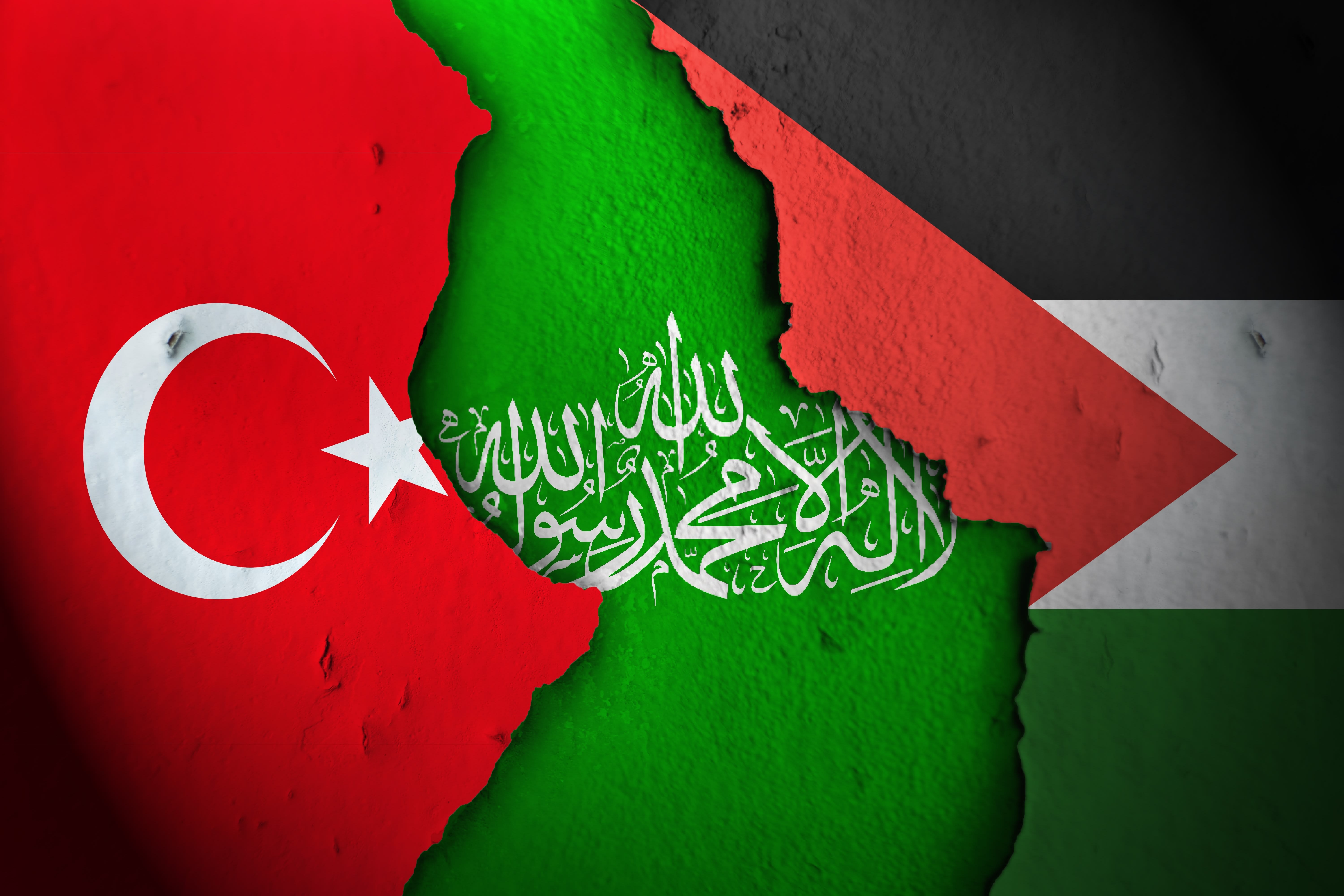
India has raised strong objections over Turkiye's "blatant and intentional" decision to exclude New Delhi and other member states from consultations on a General Assembly resolution on cooperation between the United Nations and the Organisation of Islamic Cooperation (OIC), and voted against the draft. The resolution, titled 'Cooperation between the United Nations and the Organisation of Islamic Cooperation' and introduced by Iraq, was adopted on Monday, November 16, by a recorded vote of 112 in favour, six against and 39 abstentions. India, Armenia, Cyprus, Greece, Israel and the United States voted against it, and Turkiye served as the resolution's facilitator.
India's Deputy Permanent Representative at the UN, Ambassador Yojna Patel, said the OIC's Permanent Observer Mission chose to exclude the Indian delegation and a number of other countries when circulating successive drafts. Delivering the explanation of vote, Patel described the working methods of the facilitator as a "concerning matter" and called for an investigation into the process. She said that even after some delegations registered objections in later rounds, the facilitators still chose not to include select countries, and that basic procedures such as acknowledging inputs were "blatantly disregarded", which she said indicated the exclusion was done by design rather than by mistake.S1S2
Other countries, including Cyprus and Greece, also criticised Ankara's "lack of transparency and inclusivity" during the draft's negotiation process. Patel said it was "unfortunate" that some member states publicly profess commitment to multilateralism while ignoring its core principles, and she stressed that the UN was founded on sovereign equality, inclusivity and multilateral cooperation. She argued that differences of position among member states are inherent to multilateral diplomacy and "cannot, in themselves, justify blatant and intentional exclusion from the consultations on matters before the General Assembly."S1S2