Leaders of the United States, China, Russia and other major Asia-Pacific economies are gathering in Shenzhen this week for the annual APEC summit, with a series of pressing issues on the agenda, from wars to technology security. Since the last APEC leaders' meeting, tensions between China and Japan have escalated, while the fragile stabilisation of U.S.-China relations faces new tests after Washington scrutinised Nvidia's chip sales to China. The Iran war, now in its ninth month, continues to pressure global energy prices, and the Russia-Ukraine war has dragged on. Expectations for breakthroughs are low.
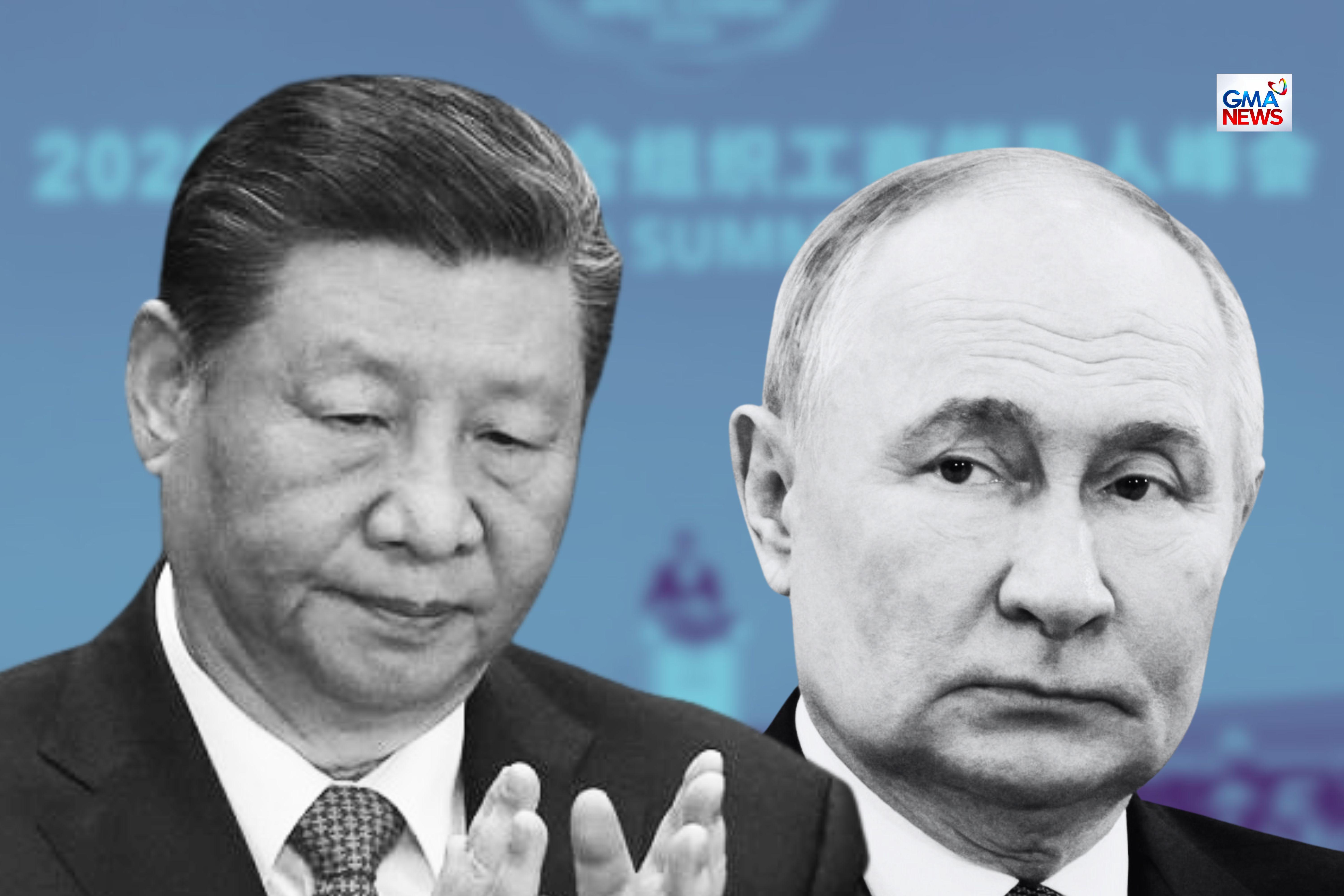
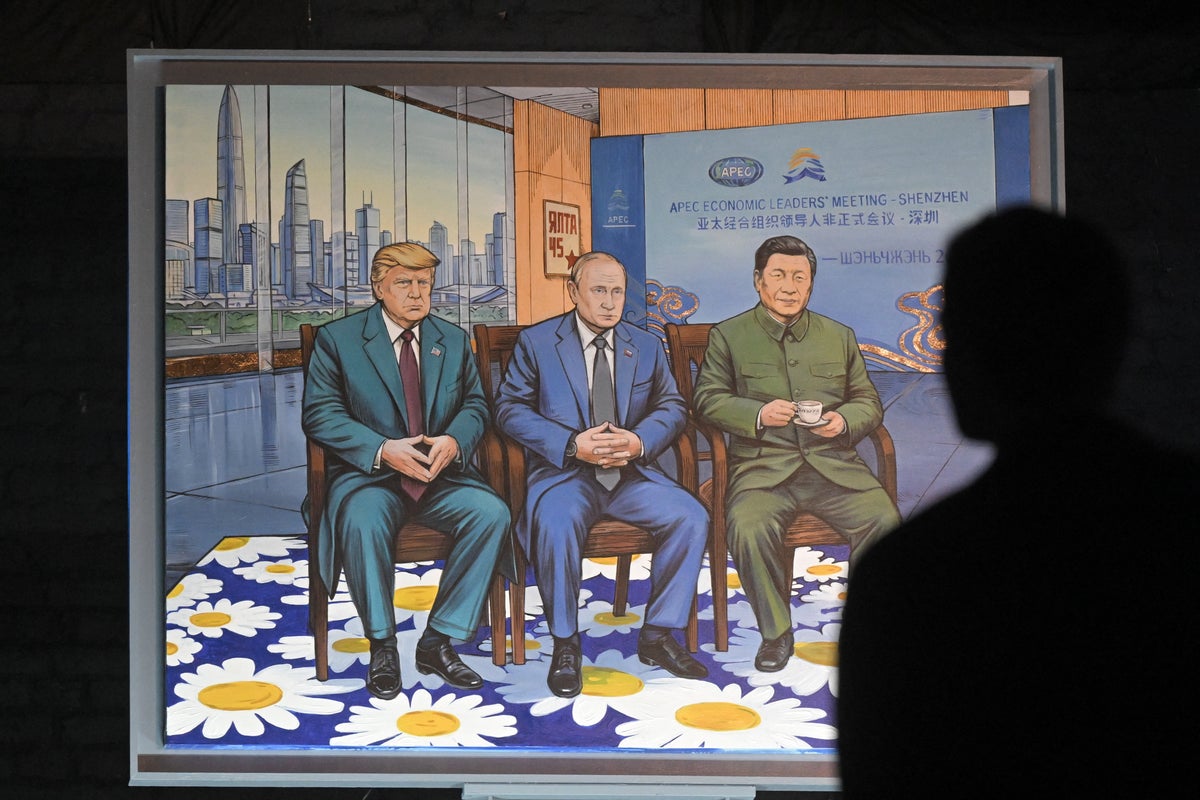
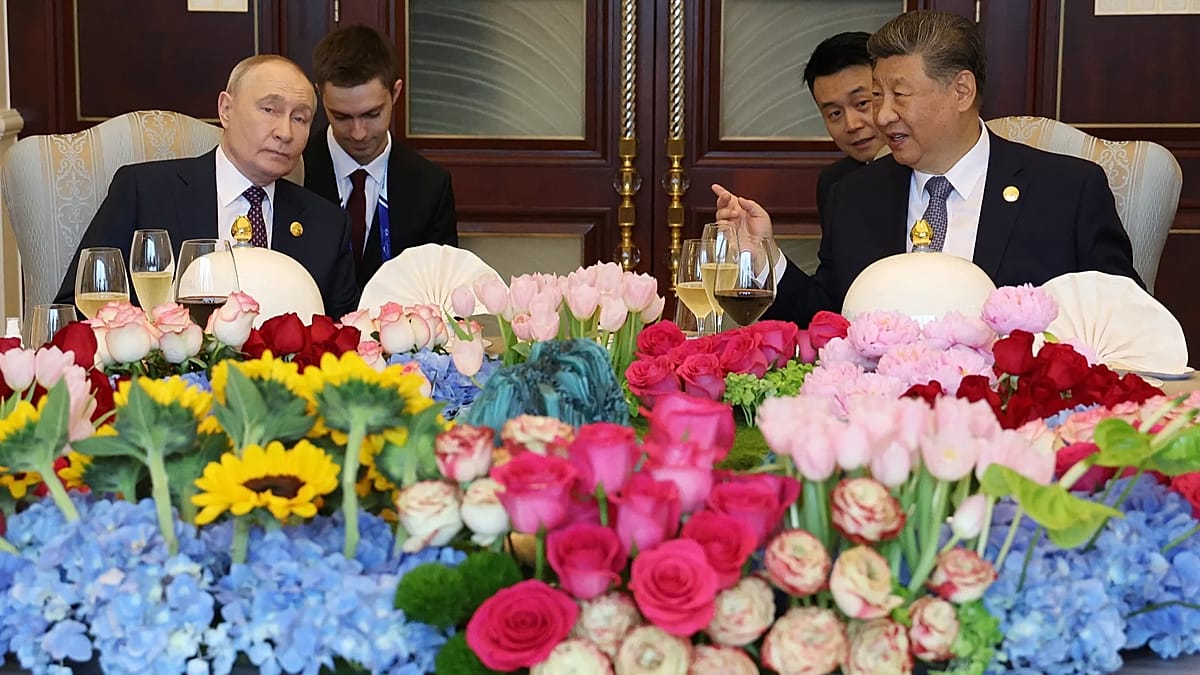
Chinese President Xi Jinping and Russian President Vladimir Putin held talks in Shenzhen on the eve of a first-of-its-kind trilateral summit with U.S. President Donald Trump. Putin arrived early on Wednesday and was greeted by Chinese Politburo Standing Committee member Cai Qi, according to Chinese state media. Xi met on Tuesday with Canadian Prime Minister Mark Carney and Vietnamese President To Lam, and Vietnam will host next year's APEC meetings. Trump, who is in the Philippines for the ASEAN Summit, is due to head to Shenzhen.S1S2
Trump and Xi are expected to meet alongside the APEC Economic Leaders' Meeting on Wednesday and Thursday. Their previous summit, held around last year's gathering in South Korea, produced a one-year trade truce of lower tariffs and some rare earths flows, which was extended by two months to January 2027. U.S. officials said Trump does not plan to raise the Nvidia issue, including allegations that its former CEO Jensen Huang had an affair with a Chinese spy, and that the talks will focus on implementing the trade agreement. The U.S. and China said in September they would lower tariffs on $30 billion worth of goods from the other country, without specifying an effective date, and China said this month it would only increase purchases of U.S. agricultural products if those tariffs were lowered.S1
Washington is meanwhile moving to tighten restrictions on loopholes that had given Chinese companies access to American artificial intelligence technology, and China has so far responded by threatening countermeasures. Reema Bhattacharya, head of Asia research at risk intelligence company Verisk Maplecroft, said any genuine U.S.-China cooperation this week is more likely to be on managing risk than on sharing advantage, which could include an artificial intelligence security hotline. She noted that governments across Asia, under mounting pressure to pick a side, will be watching Shenzhen for signs of how much room they still have to manoeuvre.S1