Xi and Putin Denounce Western Protectionism and Sanctions Ahead of Trump Meeting at APEC

China
The brief

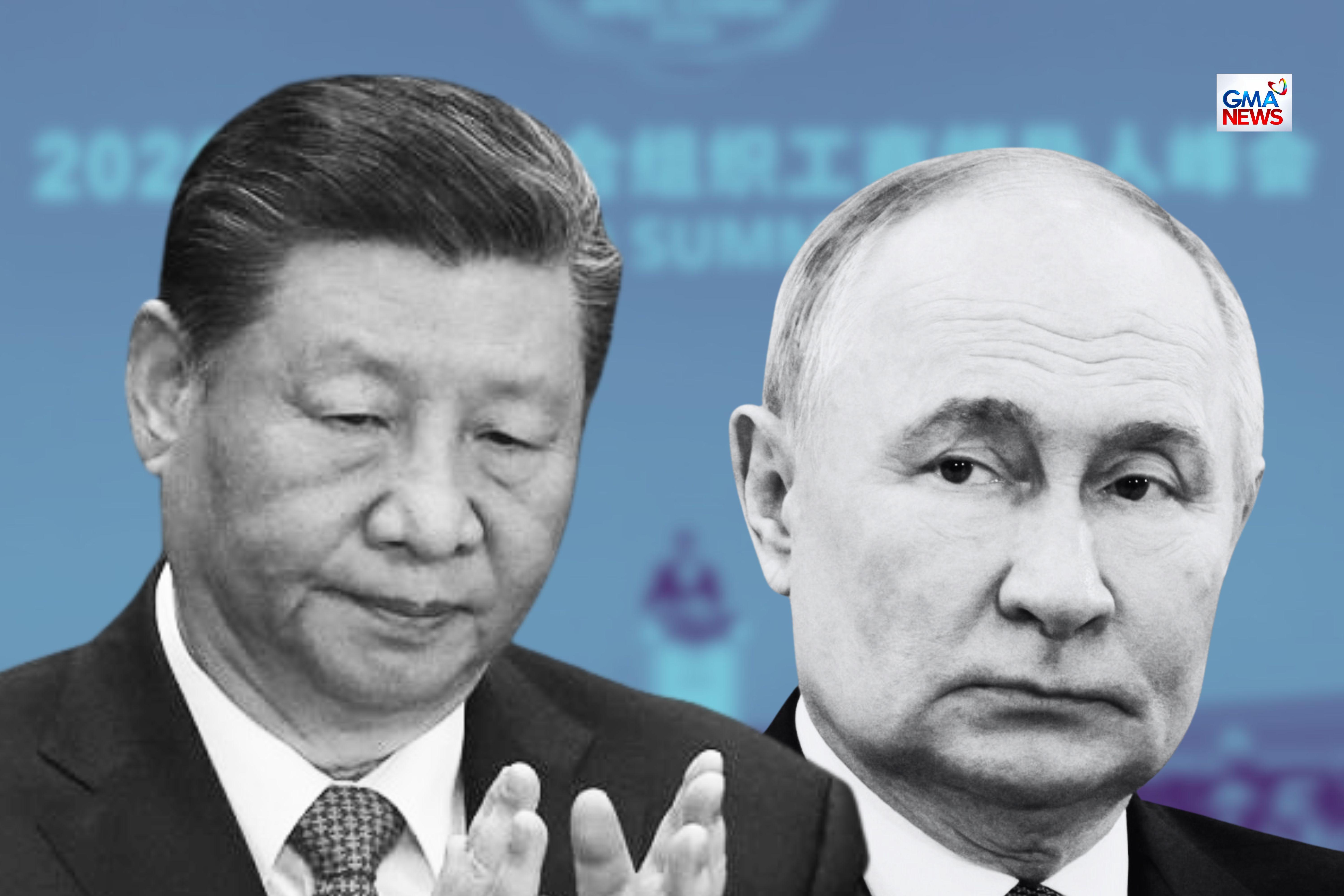
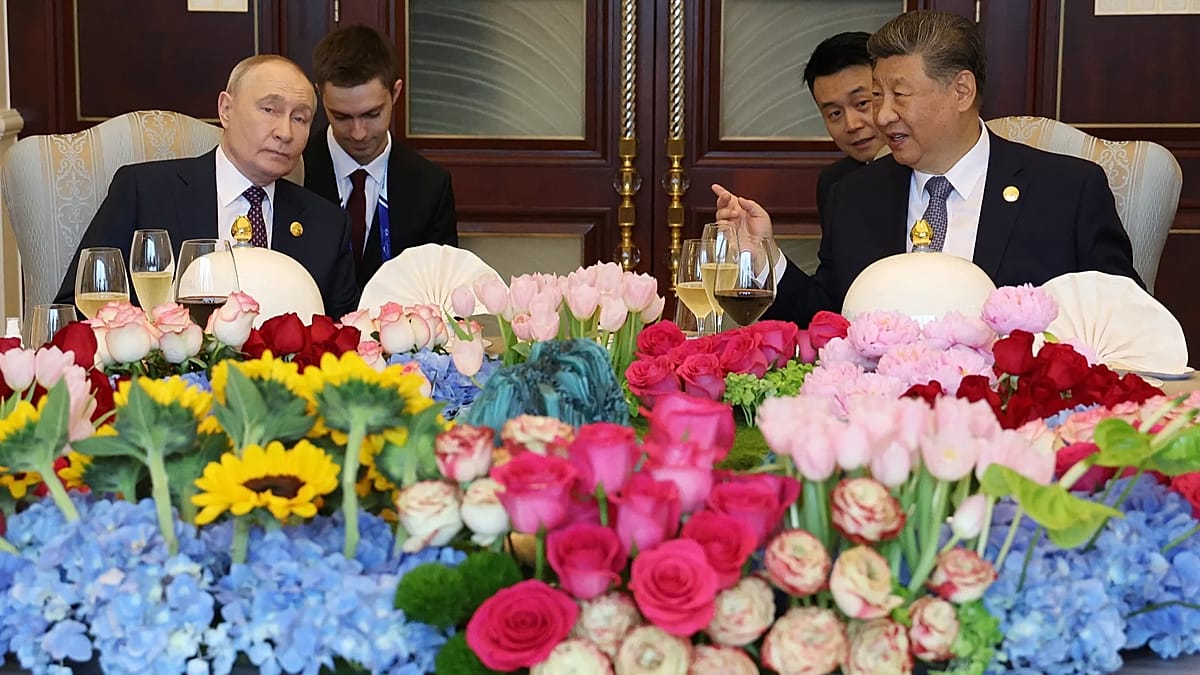
Chinese President Xi Jinping on Wednesday pledged to stand against trade protectionism, while Russian President Vladimir Putin criticized Western sanctions, as the two set the stage for a high-stakes trilateral meeting with US President Donald Trump. Both leaders delivered speeches at the Asia-Pacific Economic Cooperation summit in Shenzhen, the southern Chinese tech hub, ahead of Trump's arrival from Manila, where he had been meeting key regional allies.

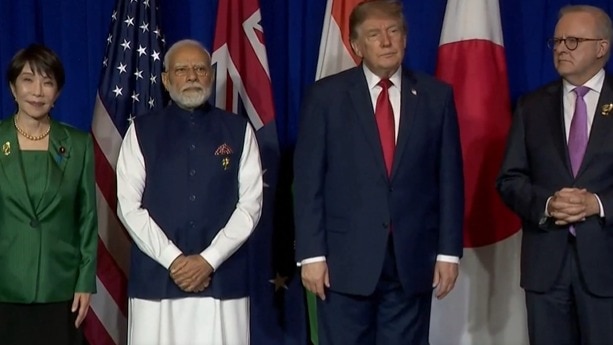
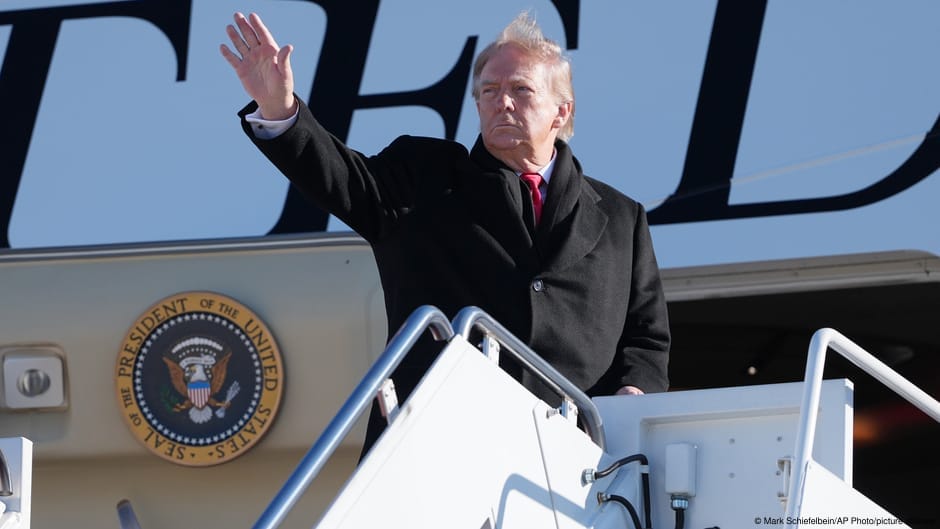
The three men are due to meet on the sidelines on Thursday and may discuss Russia's war with Ukraine and the US war in Iran, along with trade, artificial intelligence and nuclear weapons. The meeting has drawn comparisons with the 1945 Yalta Conference, at which the United States, Britain and the Soviet Union formalized spheres of influence and shaped the post-World War Two order, becoming shorthand for great-power deals imposed on smaller countries. Leaders of smaller economies, particularly in Europe and Asia, have expressed unease that the world's greatest military powers may disregard their interests.S1S2

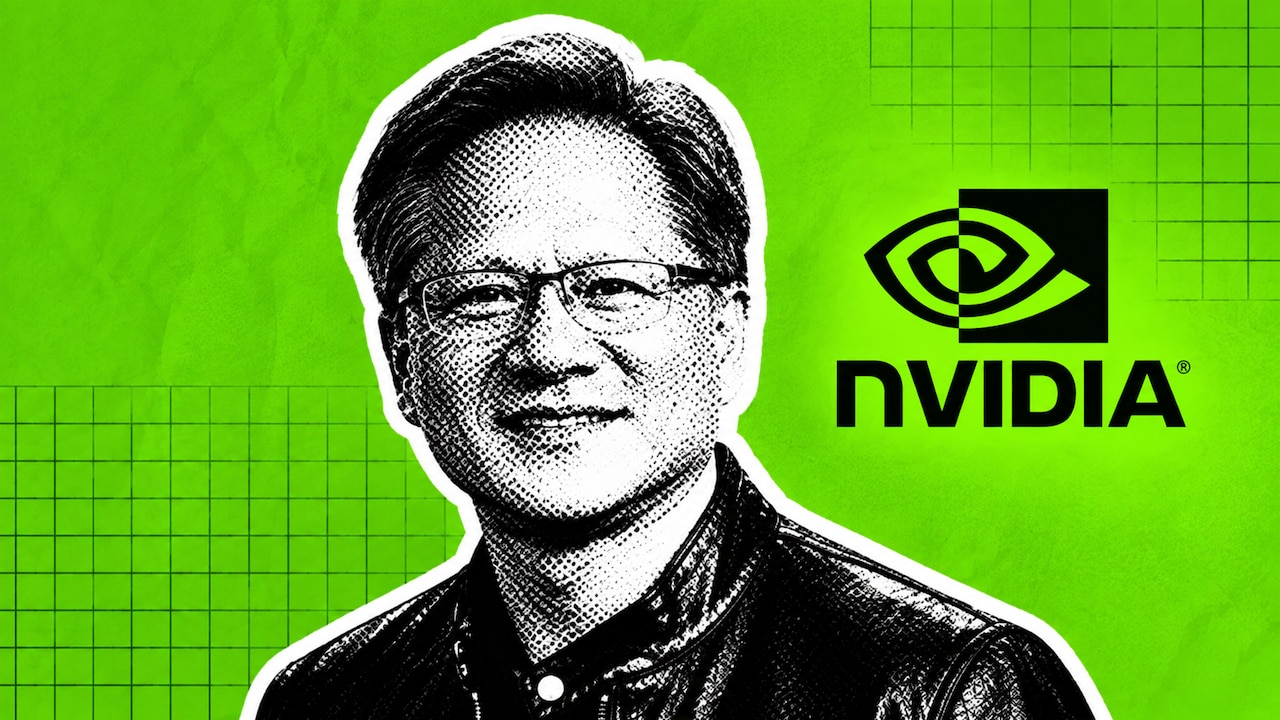
In his opening address, Xi urged support for what he called "free and open trade," portraying China as a stable partner in contrast with its main economic rival, the United States, which has raised tariffs and adopted a more muscular foreign policy under Trump. His remarks came after Washington announced further restrictions on China's access to advanced AI chips from companies such as Nvidia, which could further complicate a fragile trade truce with Beijing; China has pledged to retaliate. Xi told business executives that China must uphold the rules-based multilateral trading system with the World Trade Organization at its core and maintain the stability of global industrial and supply chains.S1S2

Western trade partners have criticized China for running annual trade surpluses in excess of $1 trillion through policies that support its manufacturing sector at the expense of its consumers. Beijing says its growth model suits an economy still catching up with the world's richest, but Washington, Brussels and others worry that China's supply chain dominance gives it geopolitical leverage and threatens their industries and jobs. Xi said China would continue investing in its industrial complex and developing new technologies that could also benefit other countries, and that it would lower tariffs and further open its markets, the world's second-largest economy said. George Chen of The Asia Group said the message was likely to resonate with many Global South countries and reinforces Beijing's effort to contrast its technology strategy with Washington's.S1S2
Timeline · newest first
29m Jpost

Xi, Putin blast Western 'protectionism', sanctions before meeting Trump at APEC

Xi's remarks came after Washington announced further restrictions on China's access to advanced AI chips from companies such as Nvidia, which could complicate a fragile trade truce…

1h Japantimes

Xi and Putin blast Western ‘protectionism’ and sanctions before meeting Trump at APEC

The two leaders' speeches set the stage for a high-stakes trilateral meeting with U.S. President Donald Trump.

1h Data

Xi, Putin blast Western 'protectionism,' sanctions before meeting Trump at APEC

SHENZHEN, China -- China's President Xi Jinping on Wednesday pledged to stand up against trade protectionism, while his Russian counterpart Vladimir Putin criticized Western sancti…

Developing

Xi and Putin Denounce Western Protectionism and Sanctions Ahead of Trump Meeting at APEC

4 outlets 4 reports
The brief

Chinese President Xi Jinping on Wednesday pledged to stand against trade protectionism, while Russian President Vladimir Putin criticized Western sanctions, as the two set the stage for a high-stakes trilateral meeting with US President Donald Trump. Both leaders delivered speeches at the Asia-Pacific Economic Cooperation summit in Shenzhen, the southern Chinese tech hub, ahead of Trump's arrival from Manila, where he had been meeting key regional allies.

The three men are due to meet on the sidelines on Thursday and may discuss Russia's war with Ukraine and the US war in Iran, along with trade, artificial intelligence and nuclear weapons. The meeting has drawn comparisons with the 1945 Yalta Conference, at which the United States, Britain and the Soviet Union formalized spheres of influence and shaped the post-World War Two order, becoming shorthand for great-power deals imposed on smaller countries. Leaders of smaller economies, particularly in Europe and Asia, have expressed unease that the world's greatest military powers may disregard their interests.S1S2

In his opening address, Xi urged support for what he called "free and open trade," portraying China as a stable partner in contrast with its main economic rival, the United States, which has raised tariffs and adopted a more muscular foreign policy under Trump. His remarks came after Washington announced further restrictions on China's access to advanced AI chips from companies such as Nvidia, which could further complicate a fragile trade truce with Beijing; China has pledged to retaliate. Xi told business executives that China must uphold the rules-based multilateral trading system with the World Trade Organization at its core and maintain the stability of global industrial and supply chains.S1S2

Western trade partners have criticized China for running annual trade surpluses in excess of $1 trillion through policies that support its manufacturing sector at the expense of its consumers. Beijing says its growth model suits an economy still catching up with the world's richest, but Washington, Brussels and others worry that China's supply chain dominance gives it geopolitical leverage and threatens their industries and jobs. Xi said China would continue investing in its industrial complex and developing new technologies that could also benefit other countries, and that it would lower tariffs and further open its markets, the world's second-largest economy said. George Chen of The Asia Group said the message was likely to resonate with many Global South countries and reinforces Beijing's effort to contrast its technology strategy with Washington's.S1S2
Timeline · newest first

Sources · 2 citations

S1 Data 1 report · EN
S2 Asharq Al-AwsatLead 1 report · EN
Japantimes 1 report · EN
Jpost 1 report · EN