🌐 World · English
Current: 🌐 World · English
Global
Focused
Language
Thursday 30 July
🌐 World · English
Current: 🌐 World · English
Global
Focused
Language

Impact of Iran Conflict on Interest Rates

Iran
The brief

The ongoing conflict in Iran is influencing expectations around interest rate decisions by central banks.

Context

Analysts had anticipated a potential cut in the Bank rate prior to the outbreak of hostilities in Iran.S1

Key points

  • The Bank of England was expected to reduce interest rates before the conflict began.S1
  • The Federal Reserve is likely to maintain current interest rates amid uncertainty from the Iran conflict.S2
  • The situation in the Persian Gulf may reignite inflationary pressures.S2
  • Slowing economic growth is a concern for the Federal Reserve as it navigates the conflict's impact.S2
  • The conflict complicates the Fed's monetary policy decisions.S2
  • Analysts are reassessing economic forecasts due to the war's implications.S1S2
  • Central banks are facing increased pressure to respond to changing economic conditions.S1S2
  • Market reactions to geopolitical events are becoming more pronounced.S1S2

Why it matters

  • Interest rate decisions affect borrowing costs and economic activity.S1
  • Inflation control is critical for economic stability, especially during conflicts.S2
  • Understanding central bank responses can guide investment strategies.S1S2

What to watch

  • Monitor upcoming statements from the Federal Reserve regarding interest rates.S2
  • Watch for economic indicators that may signal changes in inflation or growth.S2

  • Keep an eye on developments in the Iran conflict and their broader economic implications.S1S2
Timeline · newest first
4mos BBC

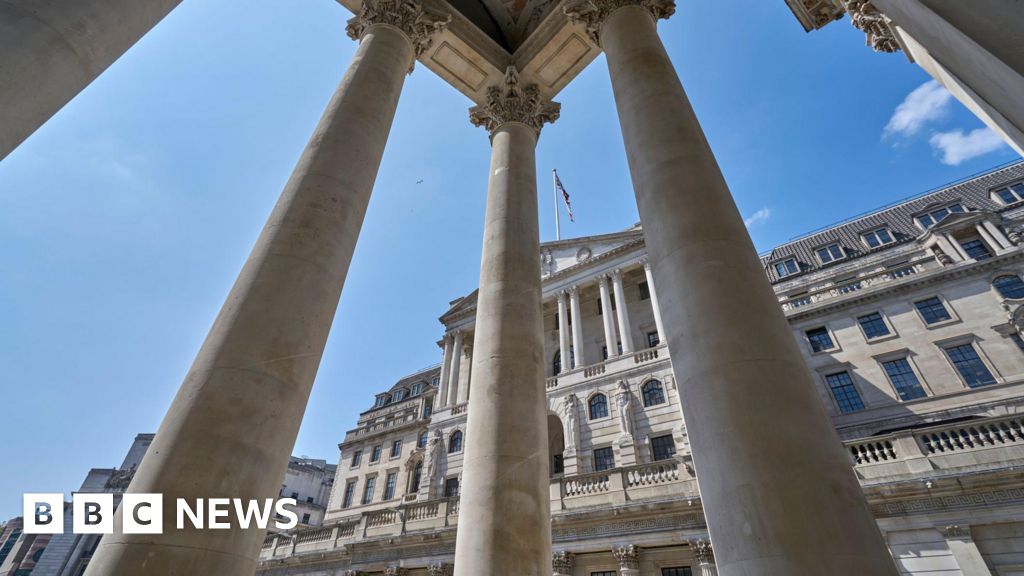
Impact of Iran war expected to bring hold in interest rates

Impact of Iran war expected to bring hold in interest rates28 minutes agoShareSaveKevin PeacheyCost of living correspondentShareSaveGetty ImagesEconomic impacts of the war in Iran…

4mos Washington Post

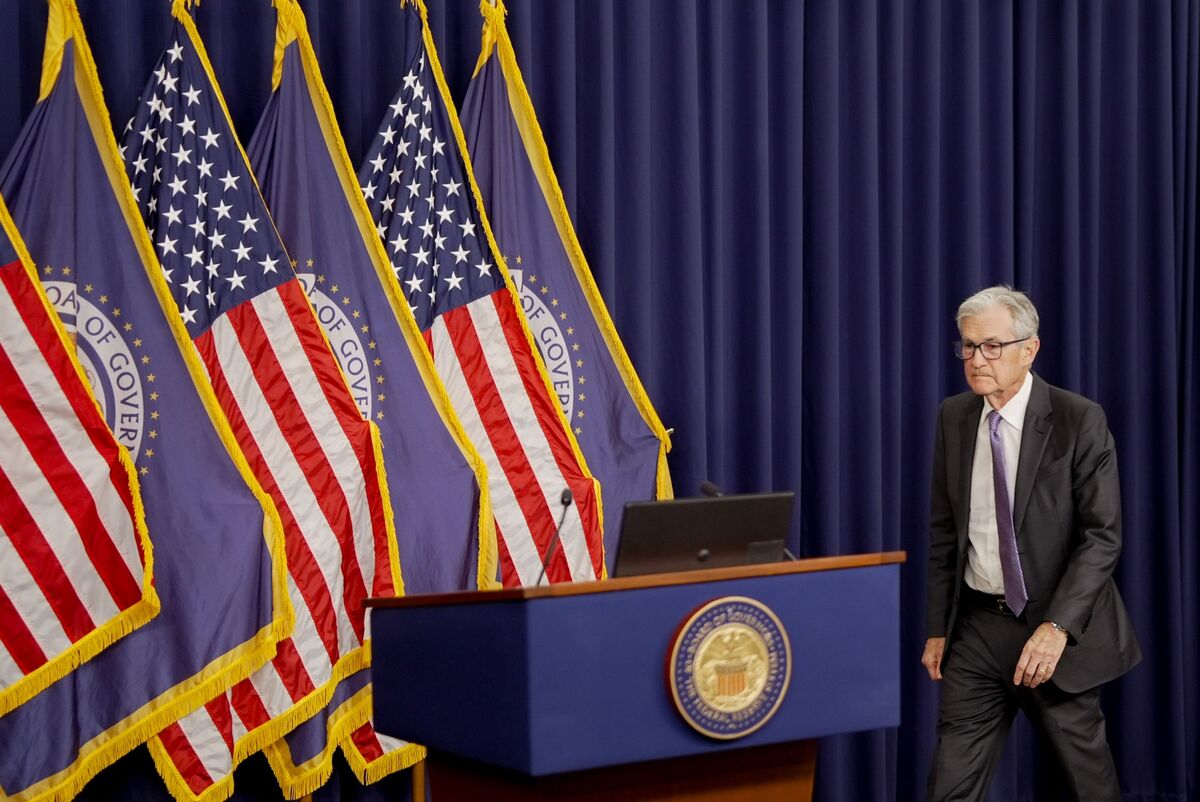
Fed expected to hold rates steady as war in Iran clouds outlook

The Persian Gulf conflict threatens to reignite inflation while slowing growth, further complicating the Fed’s work.

Impact of Iran Conflict on Interest Rates

2 outlets 2 reports
The brief

The ongoing conflict in Iran is influencing expectations around interest rate decisions by central banks.

Context

Analysts had anticipated a potential cut in the Bank rate prior to the outbreak of hostilities in Iran.S1

Key points

  • The Bank of England was expected to reduce interest rates before the conflict began.S1
  • The Federal Reserve is likely to maintain current interest rates amid uncertainty from the Iran conflict.S2
  • The situation in the Persian Gulf may reignite inflationary pressures.S2
  • Slowing economic growth is a concern for the Federal Reserve as it navigates the conflict's impact.S2
  • The conflict complicates the Fed's monetary policy decisions.S2
  • Analysts are reassessing economic forecasts due to the war's implications.S1S2
  • Central banks are facing increased pressure to respond to changing economic conditions.S1S2
  • Market reactions to geopolitical events are becoming more pronounced.S1S2

Why it matters

  • Interest rate decisions affect borrowing costs and economic activity.S1
  • Inflation control is critical for economic stability, especially during conflicts.S2
  • Understanding central bank responses can guide investment strategies.S1S2

What to watch

  • Monitor upcoming statements from the Federal Reserve regarding interest rates.S2
  • Watch for economic indicators that may signal changes in inflation or growth.S2

  • Keep an eye on developments in the Iran conflict and their broader economic implications.S1S2
Timeline · newest first

Sources · 2 citations

S1 BBC 1 report · EN
S2 Washington PostLead 1 report · EN