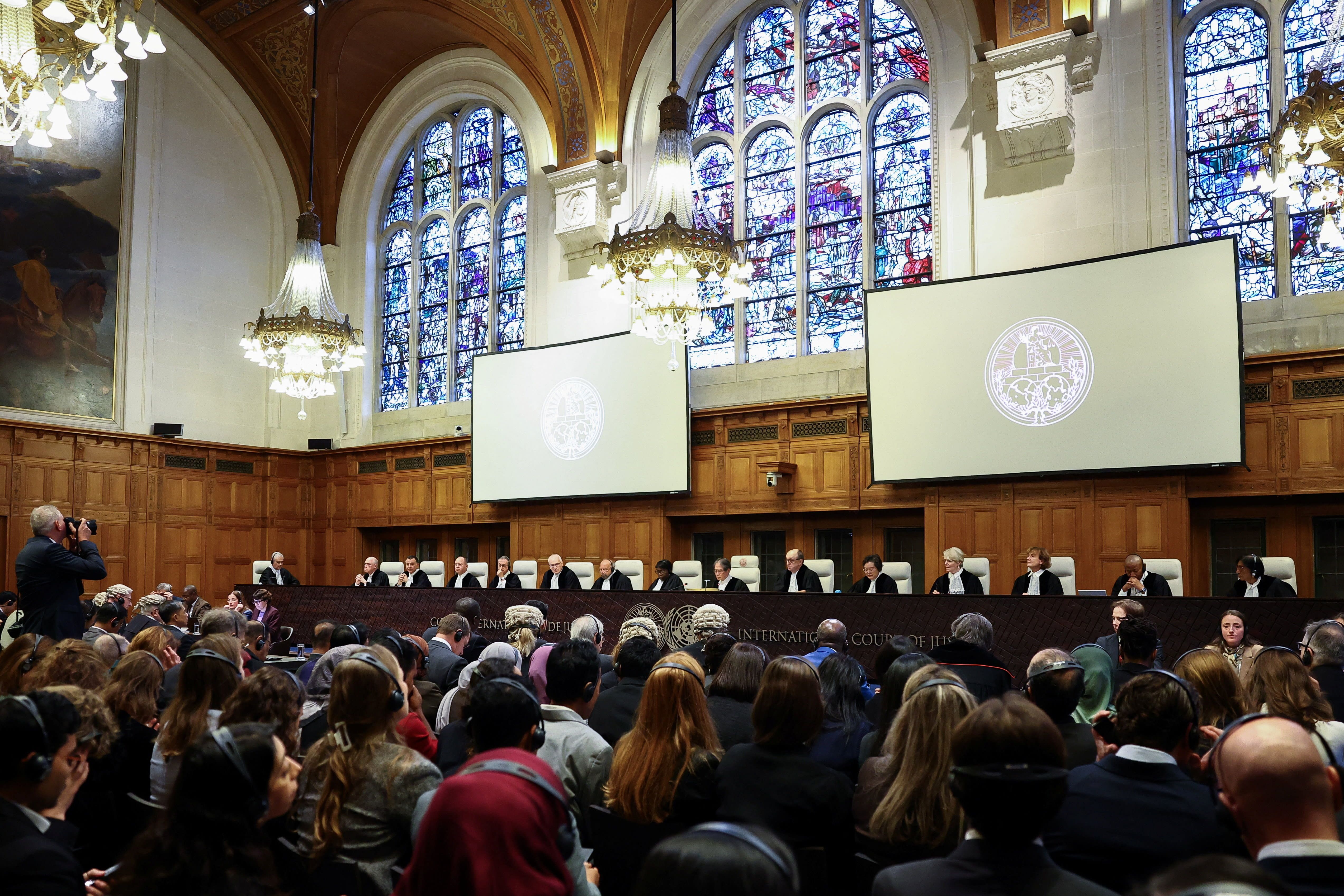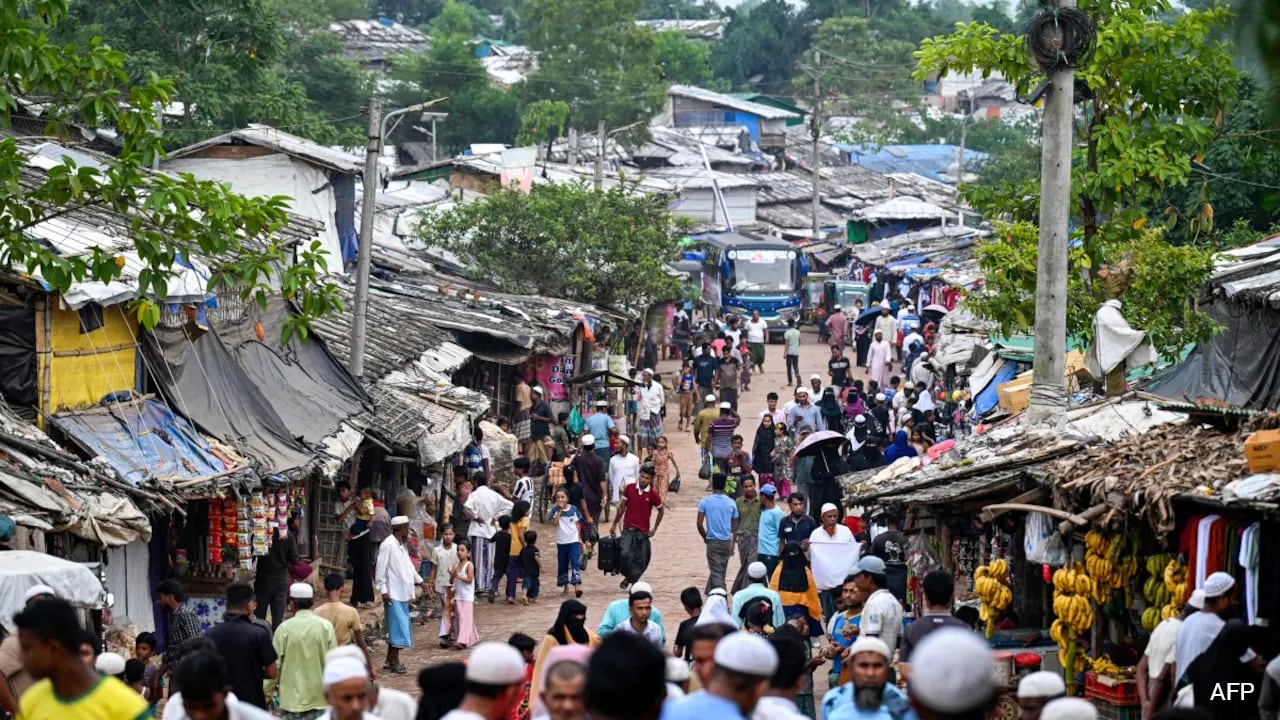
The United Nations' highest court, the International Court of Justice, is set to hand down a long-awaited judgment on Thursday in a case accusing Myanmar of committing genocide against its Rohingya minority. The ruling will be read from 10 a.m. (0900 GMT) for up to 90 minutes, and the 1.2 million Rohingya stuck in the sprawling Cox's Bazar refugee settlement in Bangladesh, who fled widespread violence in 2017, will be following it closely.
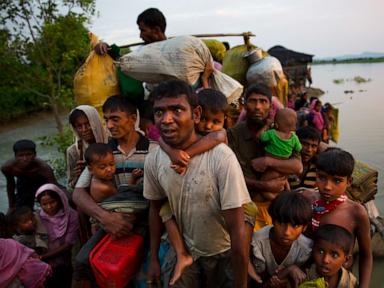
The case was brought by Gambia seven years ago. Gambia argues that Myanmar bears state responsibility for genocide resulting from a military offensive that drove at least 730,000 Muslim Rohingya from the Buddhist-majority country. Survivors recounted killings, mass rape and the burning of villages, and a UN fact-finding mission concluded the campaign included "genocidal acts". Both Myanmar and Israel deny genocide, saying their forces responded legitimately to attacks by armed groups. Officials in Myanmar's military-backed government did not respond to requests for comment.S1
The decision is the first major ruling by the court in more than a decade on the application of the 1948 Genocide Convention, and legal experts will study it for clues on how the 15-member bench assesses state responsibility for alleged international crimes. The judges will determine whether genocide was committed and whether alleged conduct by Myanmar's military or other state organs breached its obligations under the convention. Genocide has rarely been established in international courts, because prosecutors must prove specific intent to destroy a group in whole or in part. Courts have recognised genocide in only a handful of cases since the Holocaust, including the 1994 Rwanda genocide, the 1995 Srebrenica killings in Bosnia, and atrocities by Cambodia's Khmer Rouge in the late 1970s.S1
As part of its case, Gambia has asked the court to order Myanmar to pay reparations and ensure the safe return of Rohingya refugees. ICJ rulings settle disputes between states and are final, but the court has very limited options to enforce them. It is distinct from the International Criminal Court, which prosecutes individuals for war crimes, crimes against humanity and genocide and can impose jail terms.S1