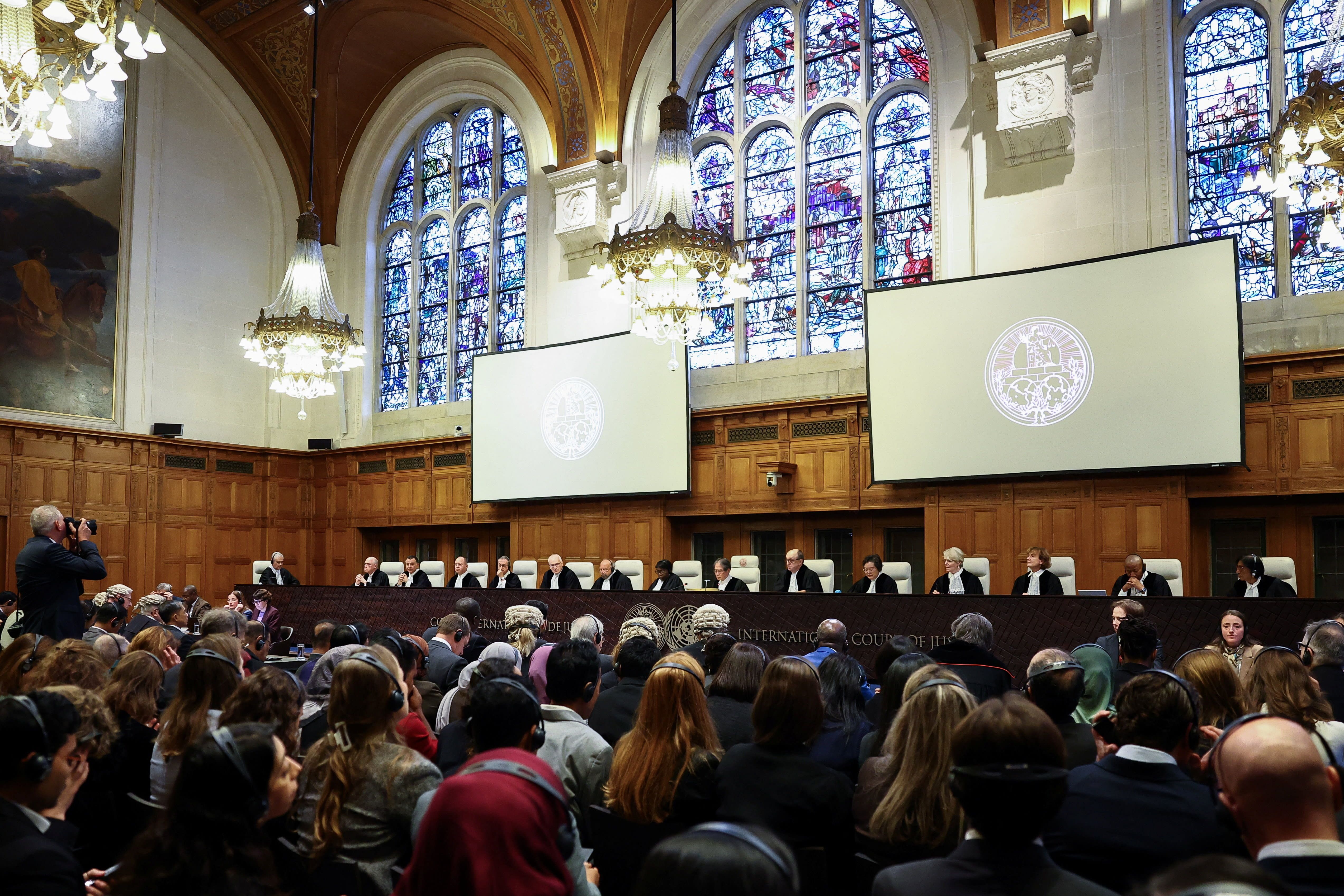
The United Nations' highest court, the International Court of Justice, ruled on Thursday that Myanmar committed genocide against its Rohingya Muslim minority, finding that thousands of killings and widespread sexual violence by the country's security forces in 2017 amounted to state-sponsored genocide. The judgement, delivered by nine votes to six, followed seven years after the case was brought by predominantly Muslim Gambia, and is the first time the court has held a state accountable for genocide in its 80-year history.
Presiding Judge Yuji Iwasawa said the court found that Myanmar's security forces killed thousands of Rohingya civilians, perpetrated widespread sexual violence and extreme violence against children, and attacked Rohingya as they fled to Bangladesh. Judges found that the military carried out mass executions of men and boys and burned hundreds of villages during so-called clearance operations, and the court said the only reasonable inference explaining Myanmar's actions was an intention to destroy a substantial part of the Rohingya population in northern Rakhine state.S1S2
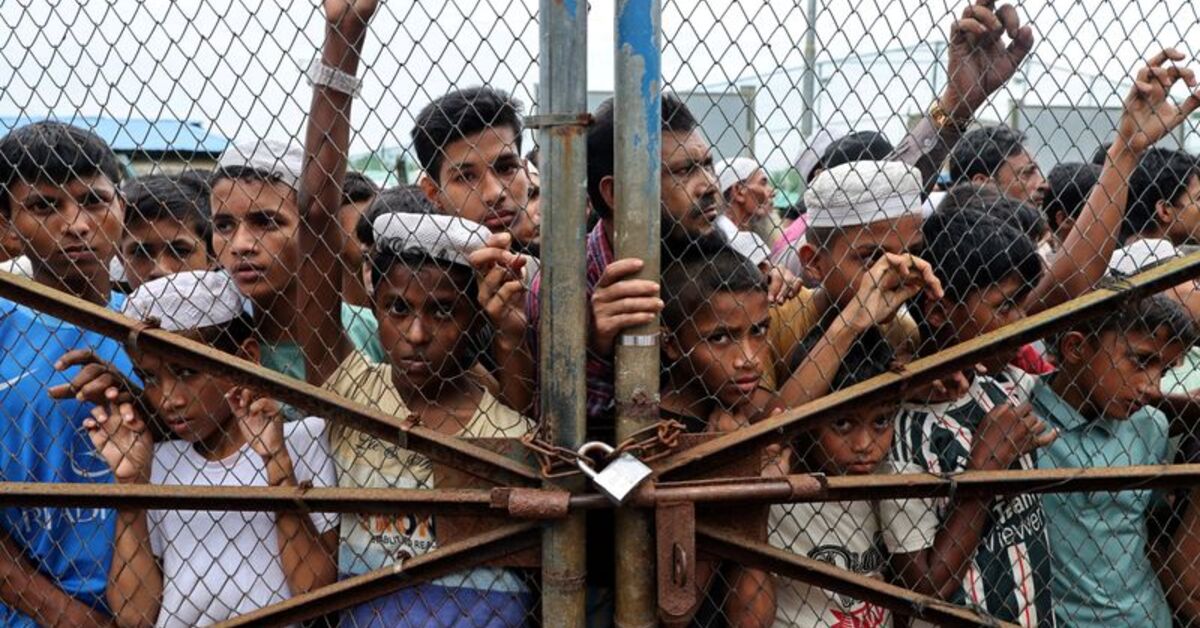
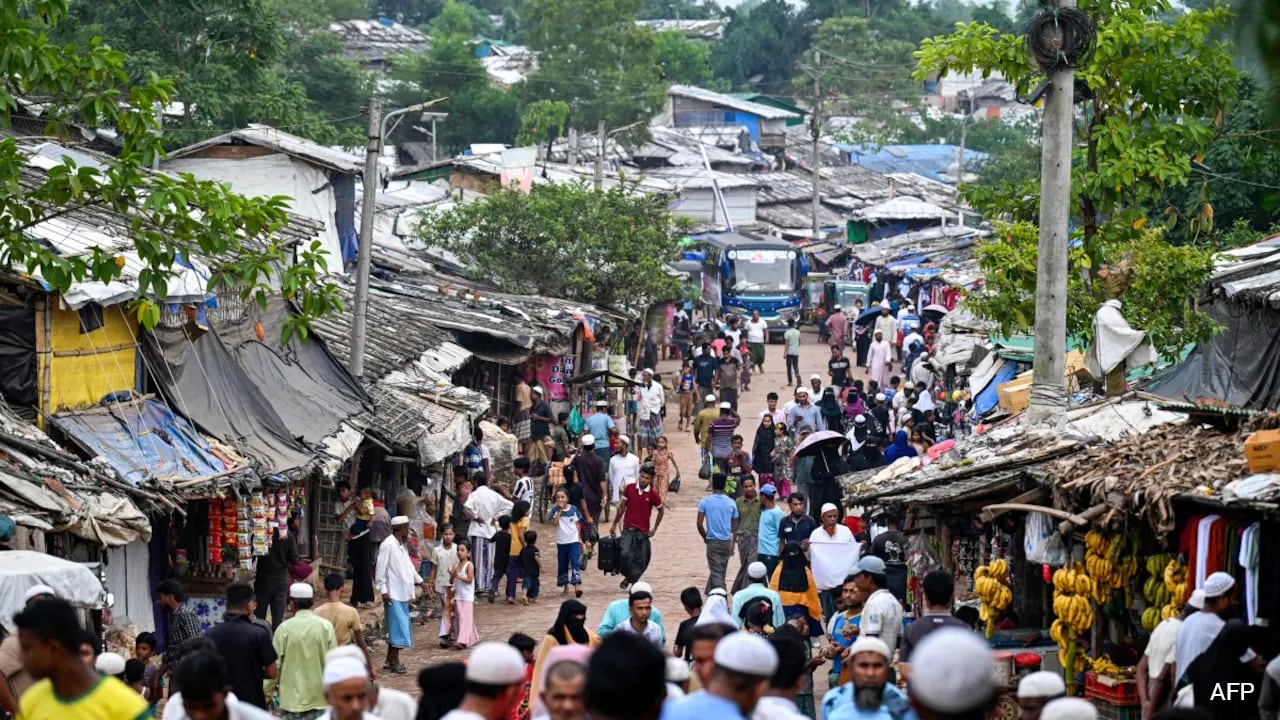
The military offensive drove at least 700,000 Rohingya from the Buddhist-majority nation, and 1.2 million Rohingya now live in exile in the Cox's Bazar refugee settlement in Bangladesh. Wai Wai Nu, executive director of the Women's Peace Network, said the ruling had permanently shattered the state-sponsored lie that the Burmese military had sought to erase Rohingya identity. Myanmar's government, which has denied genocide and says its forces were tackling a violent insurgency, did not immediately respond to a request for comment.S1S2
The ruling is final and cannot be appealed, though the court has no power to enforce it; its orders are sent to the UN Security Council, which could decide to implement the judgement through a resolution. The decision is expected to have repercussions beyond Myanmar, including for South Africa's 2023 case accusing Israel of genocide in Gaza, which Israel denies.S1S2