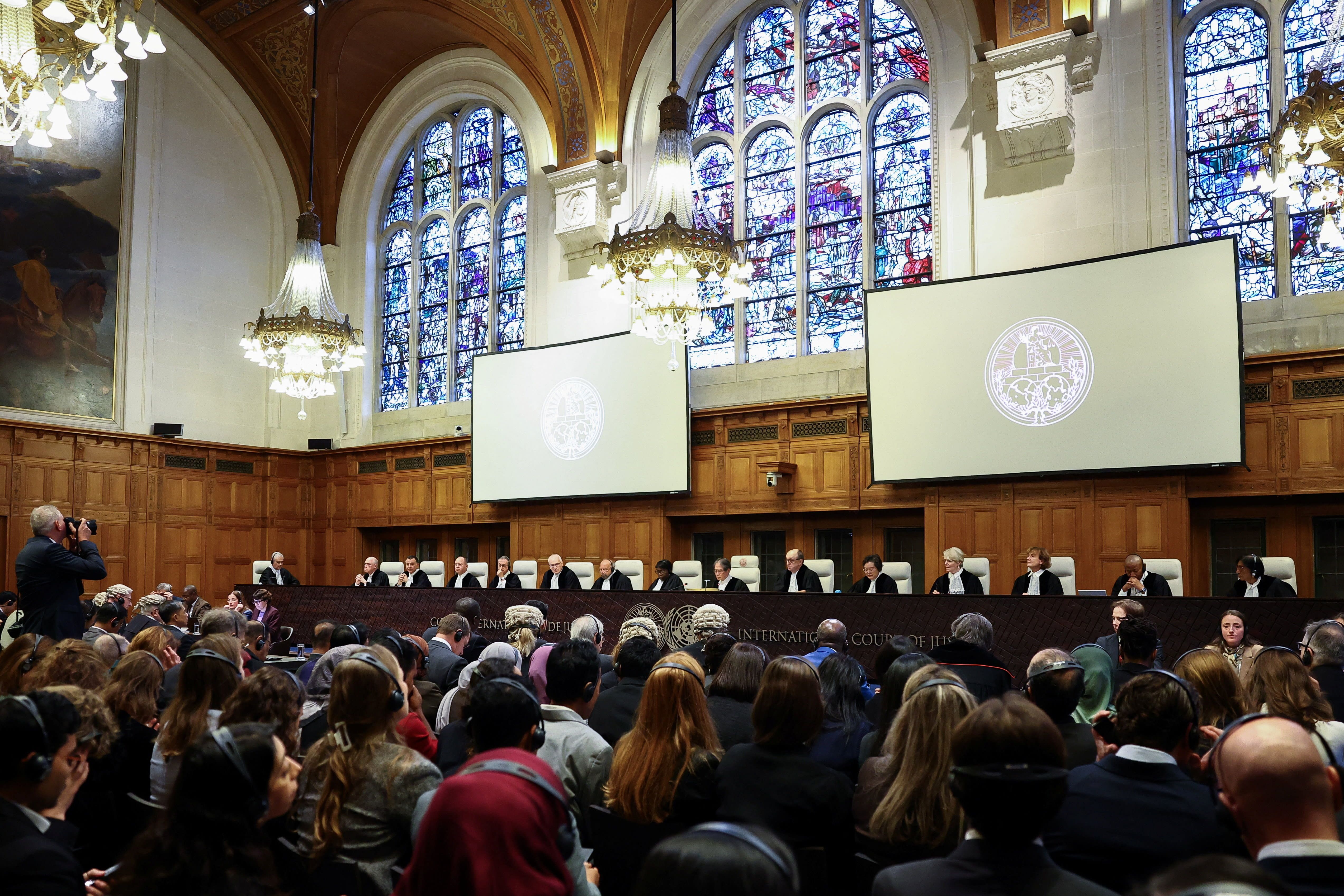
The UN International Court of Justice in The Hague has ruled that the authorities of Myanmar committed genocide against the Rohingya Muslim minority in northern Rakhine State, the first time the court has held an entire state responsible for genocide. President of the Court Yuji Iwasawa said the Republic of the Union of Myanmar had violated its obligations under the Convention on the Prevention and Punishment of the Crime of Genocide.
The court ordered Myanmar to pay reparations to the victims for harm that cannot be remedied by other means. The country must also investigate the brutal 2017 campaign, identify all those who facilitated the genocide, and hold the perpetrators accountable. Amnesty International Secretary General Agnès Callamard called the decision unequivocal and historic, saying it was an authoritative recognition of the crimes committed against the Rohingya after years of denial and impunity.S2S1
The Rohingya are a predominantly Sunni Muslim ethnic minority who have historically lived in Rakhine State (Arakan) in western Myanmar and have their own language and culture. Myanmar's authorities, in a Buddhist-majority country, consider them illegal immigrants from Bangladesh and have denied them citizenship since 1982. For decades they have faced systemic discrimination and restrictions on movement, marriage and access to education.S2
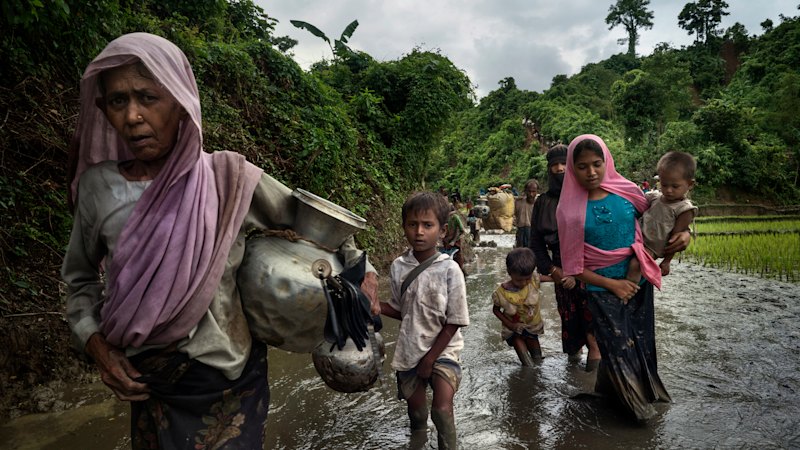
In August 2017, after attacks by militants from the Arakan Rohingya Salvation Army (ARSA) on police outposts, the Myanmar military launched a massive "clearance operation" in which soldiers and local vigilantes burned hundreds of villages. Human rights groups and the UN documented mass killings, torture and systematic sexual violence, and by some estimates more than 24,000 civilians were killed. More than 700,000 people fled to neighboring Bangladesh.S2
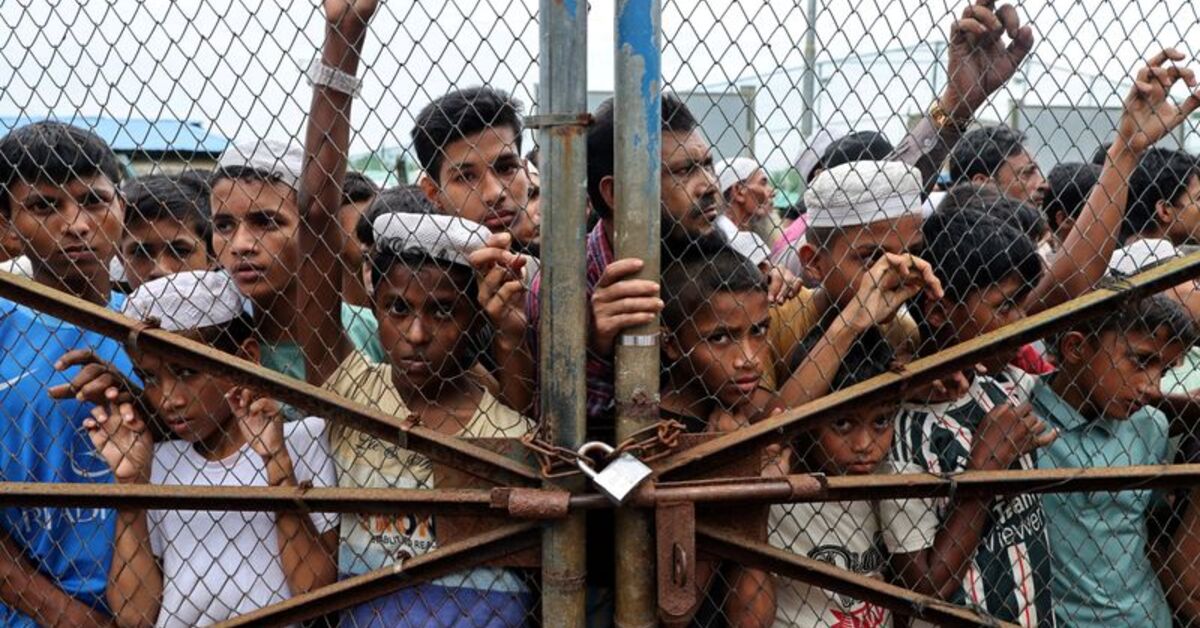
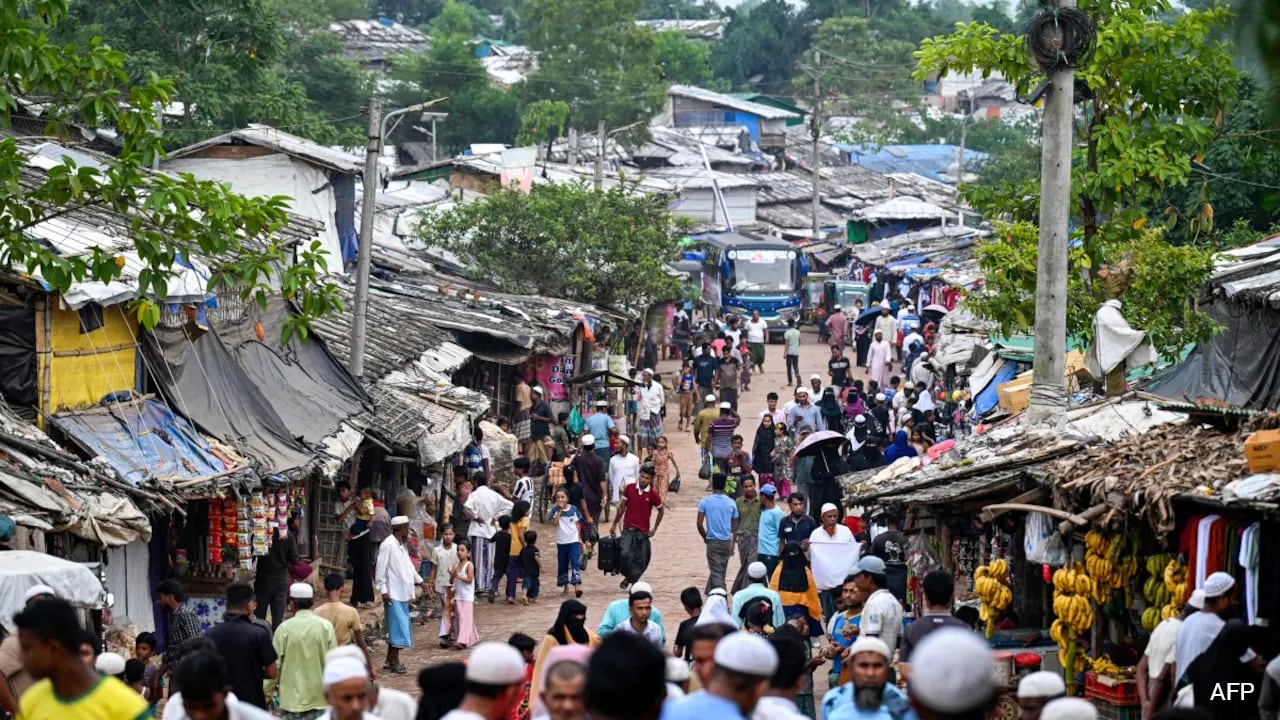
Today around one million Rohingya live in the world's largest refugee camp in Cox's Bazar under severe humanitarian conditions. The UN had described the events as a "textbook example of ethnic cleansing".S2