The Senate approved a long-sought bipartisan permitting reform bill on Thursday, with a 62 to 33 vote, sending the measure to the House. The bill is designed to cut costs by speeding up infrastructure and energy projects. President Trump has expressed support for the deal.
The legislation, known as the Bipartisan American Affordability and Jobs Act, or BAAJA, aims to streamline complicated permitting processes that can hold up projects for years. Supporters say it would make it easier to build renewable and fossil fuel projects alike, along with the high-tension power lines that support them. The bill would overhaul federal environmental laws to ease the building of everything from gas pipelines to wind farms.S1S2
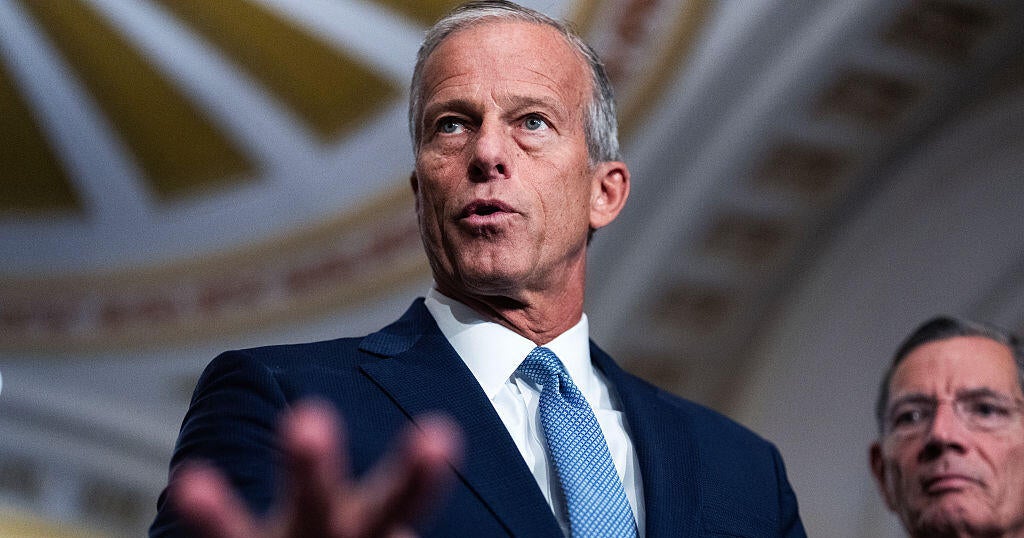
Senate Majority Leader John Thune said the bill was years in the making. Negotiators announced a breakthrough in September, and Republican Sen. Shelley Moore Capito of West Virginia described it as a major step toward faster, more efficient infrastructure building without giving up strong environmental protections. Republican Sen. John Barrasso of Wyoming, who worked with Capito on permitting reform for years, said the bill streamlines environmental and judicial reviews and limits lawsuits.S1
Some progressives have opposed the bill, arguing it could erode environmental protections and doubting that Mr. Trump will allow renewable projects to be built. The bill has the backing of some renewable energy leaders and developers. Despite the Senate win, the measure faces hurdles in the House.S1S2