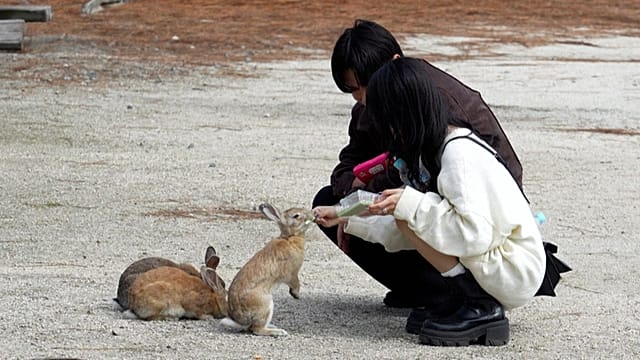
Known today as "Rabbit Island", Okunoshima drew roughly 200,000 visitors last year, most arriving to photograph the tame animals roaming its coastal paths. Behind its idyllic reputation lies a stark wartime secret: between 1929 and 1945, the Imperial Japanese Army operated a covert chemical weapons factory on the island, erasing Okunoshima from official maps to conceal production.
Today, the skeletal remains of a wartime power plant and former chemical storage depots punctuate the landscape. The Okunoshima Poison Gas Museum documents the factory's operations through workers' gas masks, period photographs and production apparatus.S1S2
Museum director Kazuhito Takahashi notes that many domestic visitors arrive knowing little of what transpired on the island, stumbling upon its dark history only after making the trip for the rabbits. Guided tours for students and travellers alike now present the island's history alongside its wildlife, a striking contrast between gentle animals and haunting military ruins that has made Okunoshima an unlikely crossroads of leisure and historical reflection.S1S2