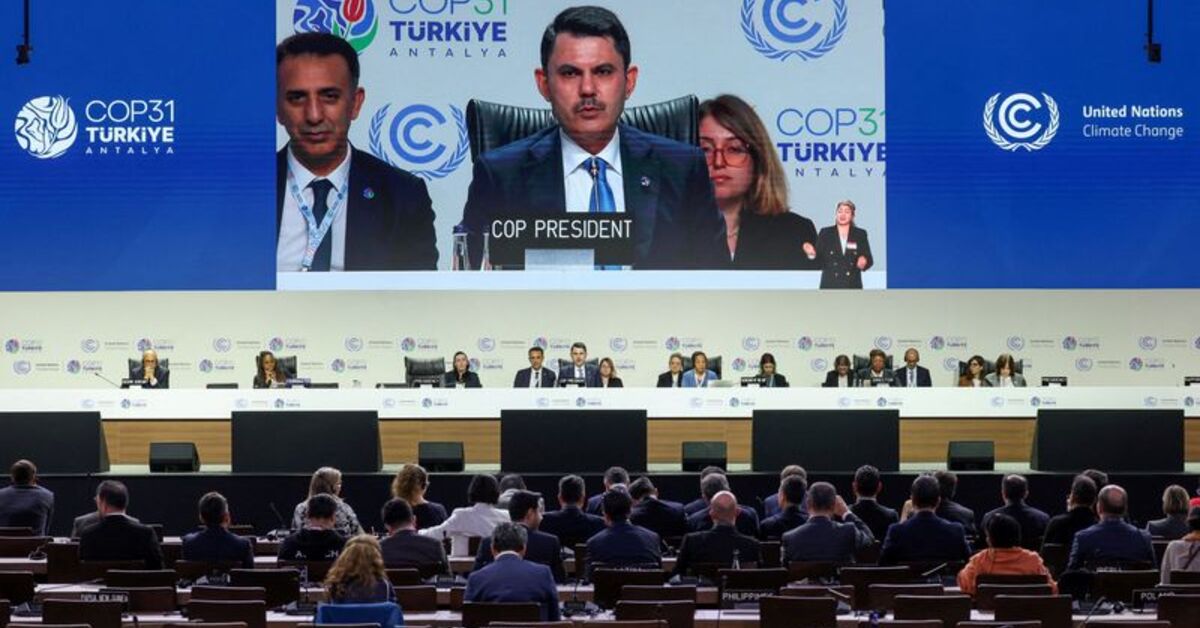
UN climate talks ended in collapse on Sunday after the European Union and others rejected a final deal put forward by COP31 presidents Turkey and Australia, saying it was too weak to advance the fight against global warming. More than two weeks of negotiations spilled two days into overtime, making it the longest COP on record, yet no agreement could be reached.
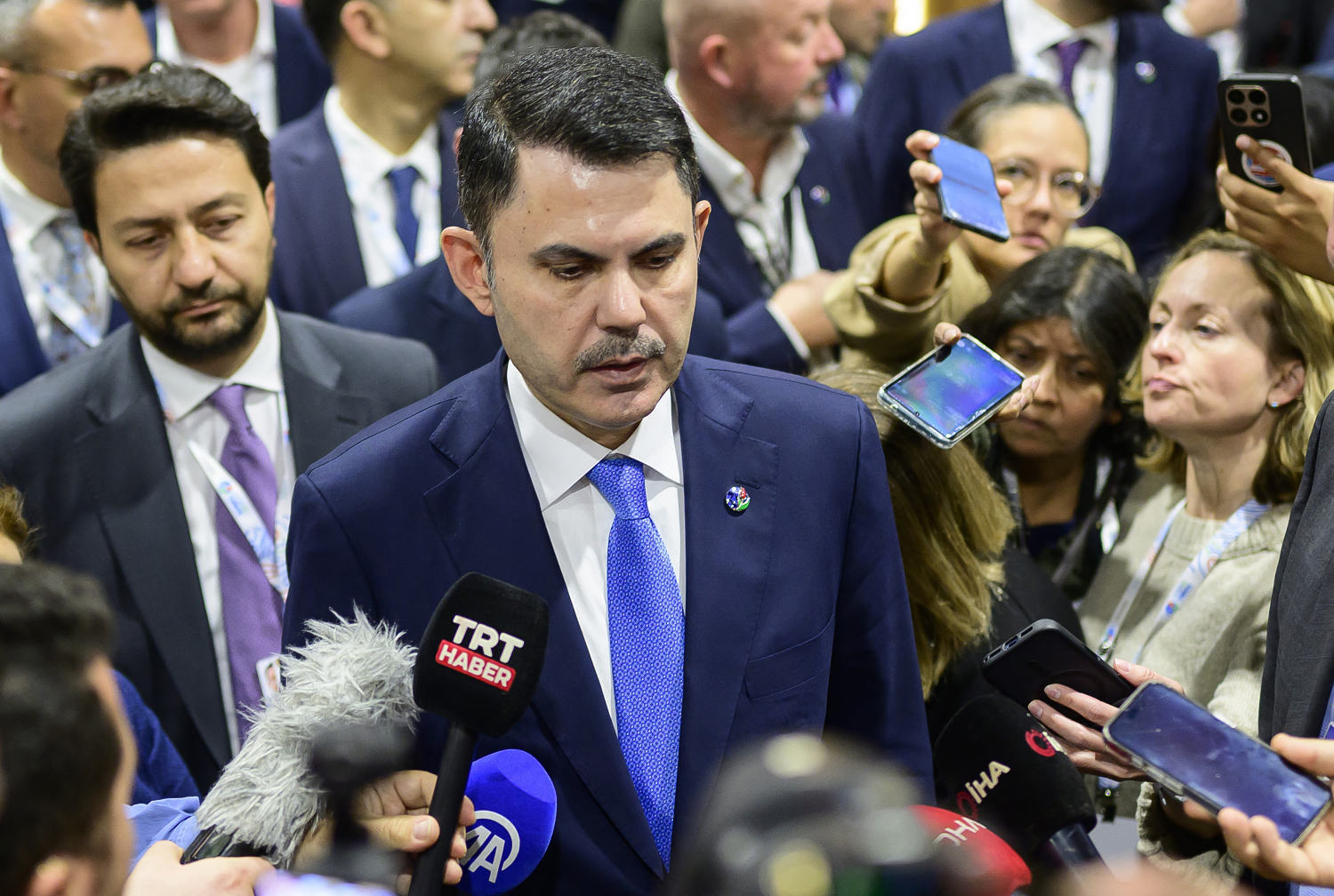
Turkey's conference president Murat Kurum told the closing plenary, "There is nothing to do. We did all that we could," and said he would not advance any new text. Chris Bowen, Australia's COP31 president of negotiations, said the outcome was "very disappointing" and that disagreements over fossil fuels and climate finance had been obstacles to a deal. UN Secretary General Antonio Guterres said he shared "the very profound frustration of all those who expected governments to rise to the moment the climate crisis demands."S1
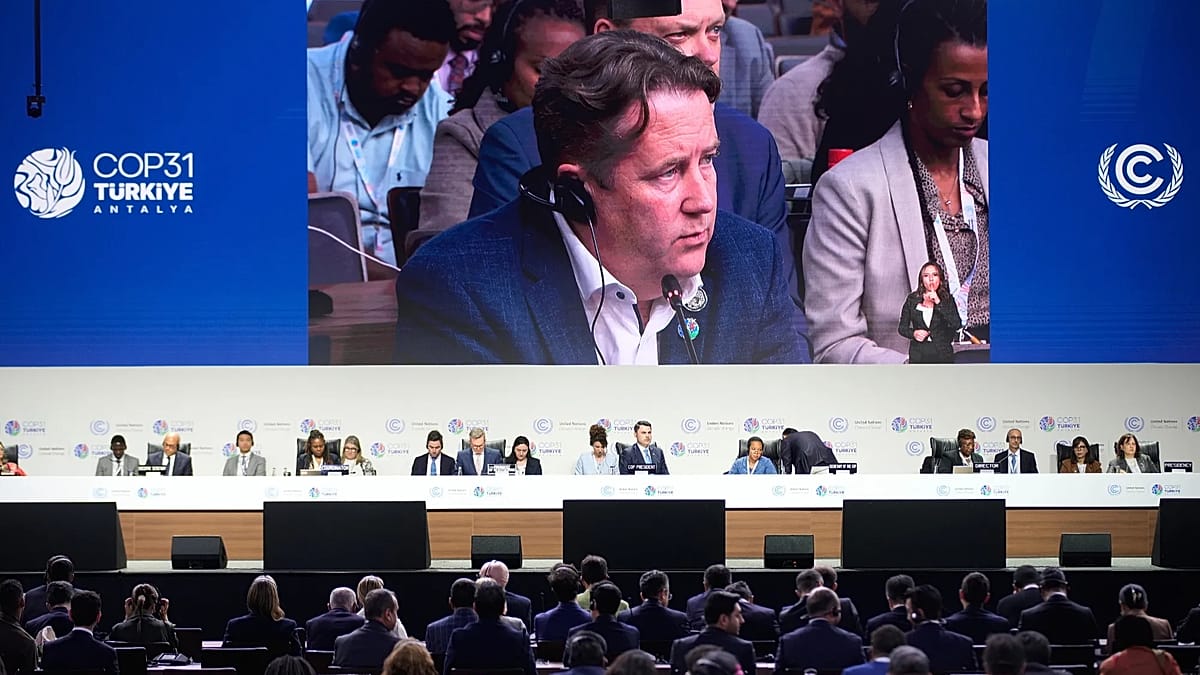
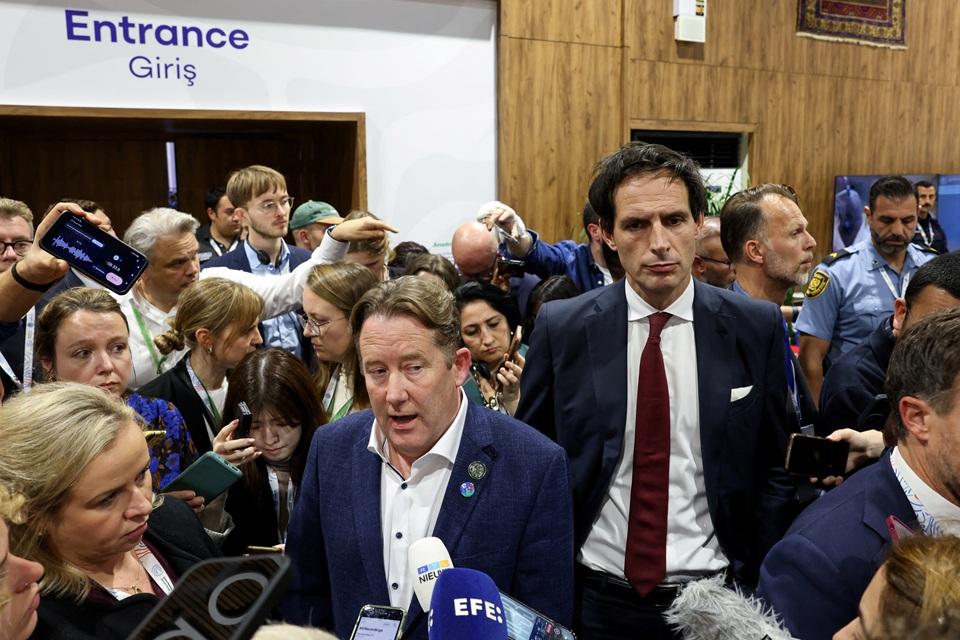
Ireland's environment minister Darragh O'Brien said the European Union could not support the proposed deal in part because it made no mention of fossil fuels, which scientists say drive global warming. "It is unconscionable that we would have a climate act that makes no reference to fossil fuel, no reference to transitioning away from fossil fuels," he said. About 130 parties refused to accept the COP president's consensus text, which the EU and Panama said amounted to greenwashing of fossil fuels, while India, China and Saudi Arabia were on the other side of the divide.S1S2
The last time UN climate talks failed to secure a deal adopted by all was in Copenhagen in 2009. Analysts say recent COP summits, though often fraught, have provided signals for business investment and spurred advances in renewable power and electric vehicle technology. When countries struck the Paris agreement in 2015, projections suggested existing policies would put the world on course for roughly 4 C of warming this century; a decade later, the prognosis is 2.8 C.S1
This year's COP is the first since the UN's environmental body confirmed in October that global temperatures were set to overshoot 1.5 C, a level beyond which scientists say extreme weather impacts intensify. Proponents of the pledge said it could cut emissions by speeding the transition away from fuel-powered cars and furnaces, while critics said it could force more costs onto poor nations without providing a clear path away from fossil fuels.S1