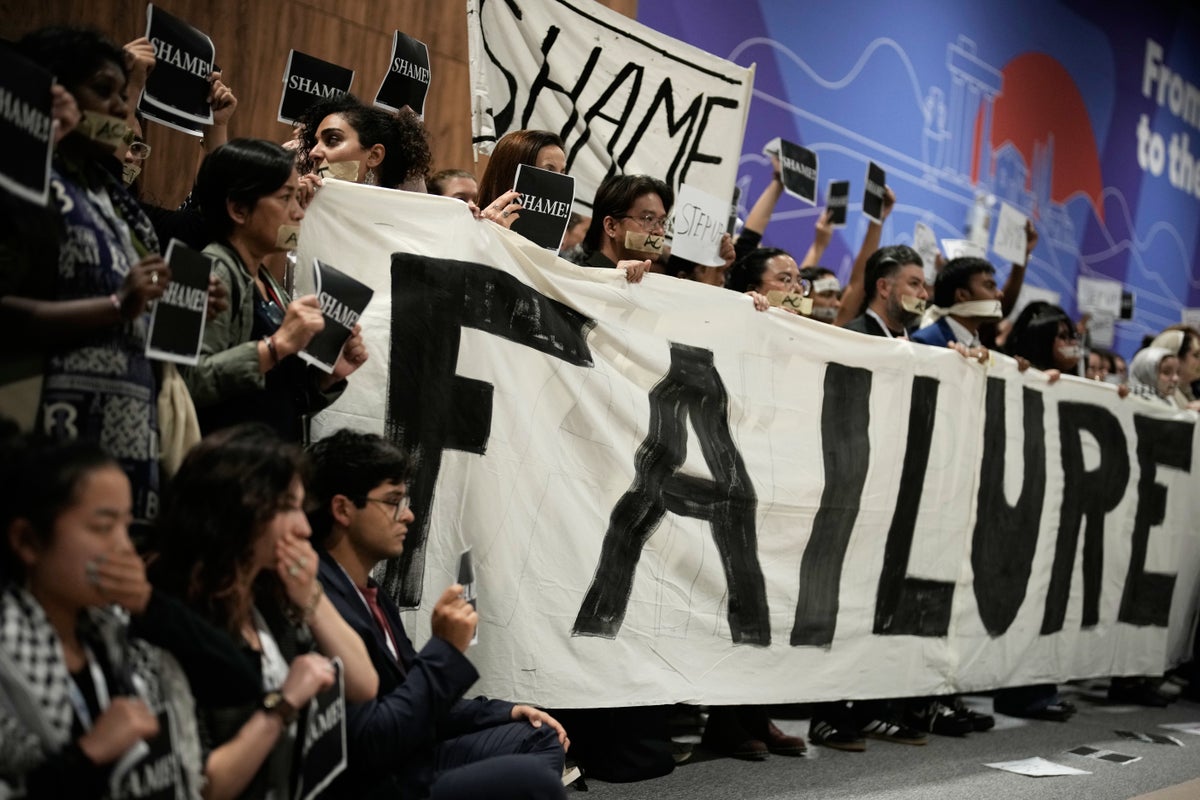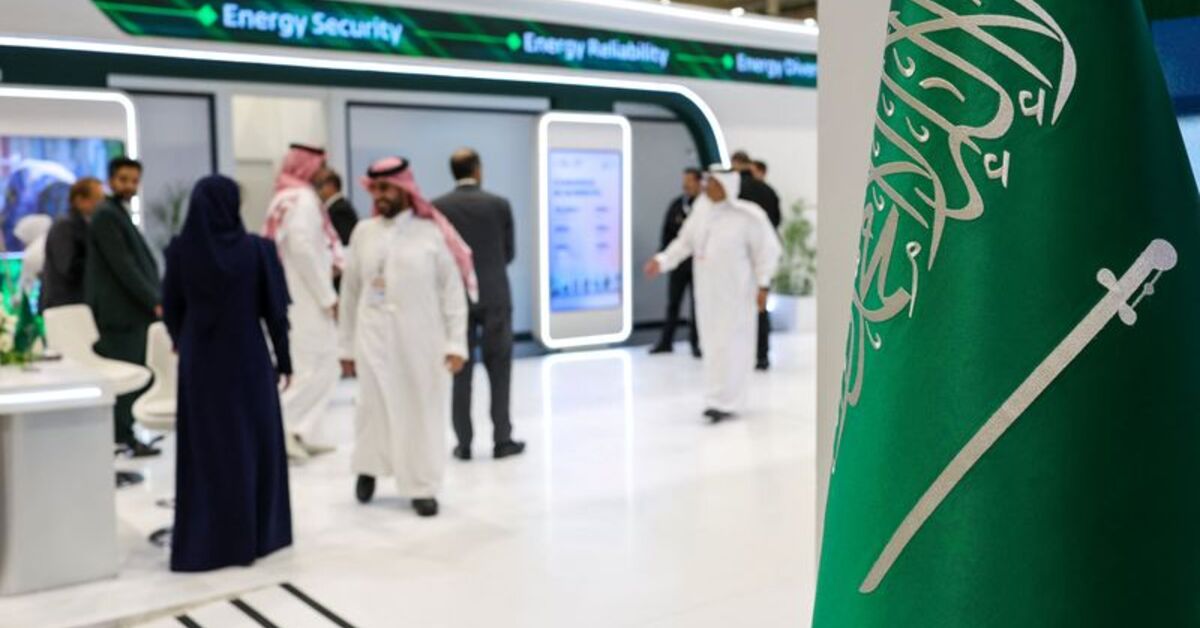
Saudi Arabia's influence loomed large over the COP31 climate conference in Antalya, Turkey, which drifted into record overtime without a political agreement, the first failure to reach one since 2009, Reuters reported. Negotiators from Europe, small island states, Latin America, Asia and Africa said Saudi officials had regular access that gave them disproportionate influence over the talks.
Negotiators said Riyadh was at the forefront of resisting language on reducing reliance on fossil fuels. The European Union, several small island states and other nations particularly vulnerable to climate change said they could not accept a text that failed to mention the oil, gas and coal that scientists say drive global warming. Ireland's climate minister Darragh O'Brien, speaking to Reuters on behalf of the European Union, said, "This COP, I believe, was hijacked by some oil states."S1
Saudi Arabia and fellow members of the Organization of the Petroleum Exporting Countries have long opposed climate language targeting fossil fuels, saying they need to be part of the global energy mix for the foreseeable future. Fossil fuels were explicitly mentioned in texts from previous COPs in Glasgow in 2021 and Dubai in 2023. Several negotiators said Riyadh's hand was strengthened by the absence of active US engagement at COP31 and the lack of close US-China coordination that has helped broker compromises at earlier COPs. Singapore Environment Minister Grace Fu said, "Instead of having one or two major players helping define the boundaries of the discussion, those boundaries have become less clear."S1
Talks began with modest expectations. Host Turkey pushed a pledge to boost global electrification and promised to emphasise implementation of past climate deals. Divisions deepened after the Turkish presidency released a revised draft cover text that omitted any reference to fossil fuels. Delegates and observers said Saudi Arabia kept a fixed position: the text must not mention fossil fuels and should include language boosting carbon capture technologies. One delegate from an Asian country involved in the talks said Riyadh framed these positions as non-negotiable, even existential.S1
The Turkish COP presidency said in a statement that no group or country was given "preferential treatment". Representatives for Saudi Arabia and Australia did not immediately comment. A negotiator from a small island state complained that a promised meeting with the talks' Turkish and Australian presidents had been cancelled yet again.S1