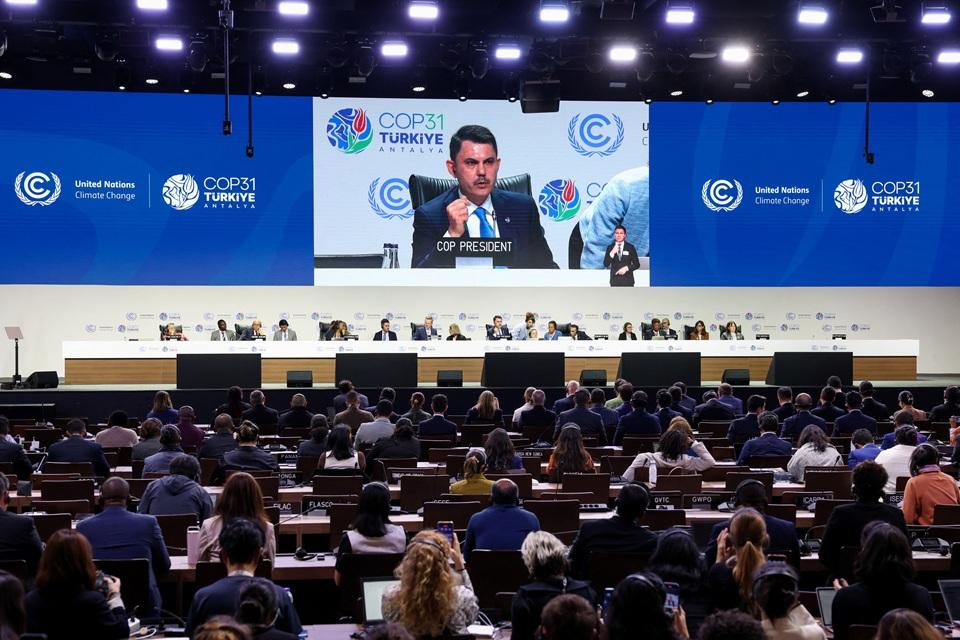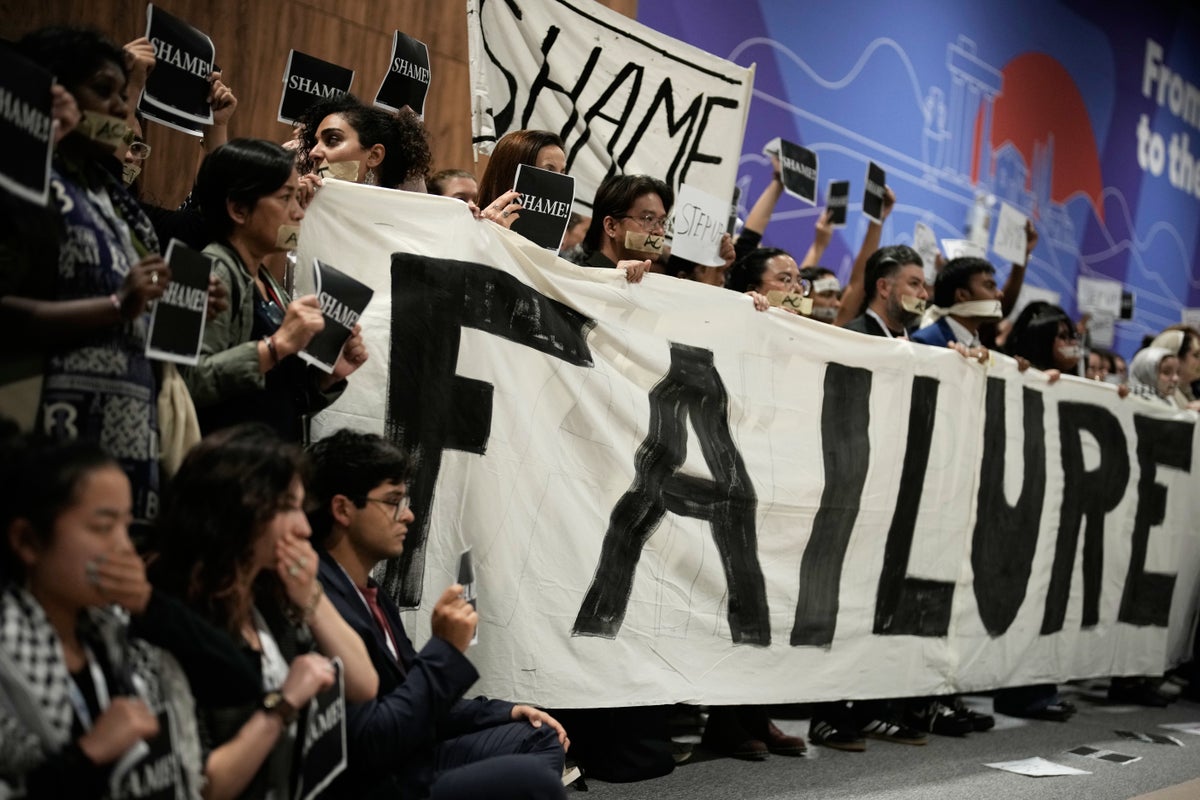
The UN climate talks in Turkey, known as COP31, ended without consensus on how the world should confront climate change, even as climate-driven natural disasters hit hardest in vulnerable countries that did not cause the problem. Dozens of nations objected on Sunday to the final text presented at the summit because it did not mention fossil fuels, primarily the coal, oil and gas that drive climate change. It also omitted increased financial commitments to help hard-hit nations adapt to a warmer world.
Scientists warn that the world is on track to exceed the warming limits set in the 2015 Paris Agreement. Climate action is still moving forward without a final deal, as nations, states, provinces, Indigenous groups and local officials act on their own. A new voluntary initiative on transitioning away from fossil fuels, which falls outside the United Nations' purview, has drawn participation. Almost 60 countries took part in the first International Conference on Transitioning Away from Fossil Fuels in Colombia this year, and a second conference is scheduled for next year in the island nation of Tuvalu.S1S2
Climate scientist Katharine Hayhoe of The Nature Conservancy said countries "are building new networks to work together", and that most climate action takes place below the national level. The United States did not participate directly in the UN talks for the second year in a row, after President Donald Trump pulled the country out of the Paris Agreement. A US delegation that included California Gov. Gavin Newsom nevertheless attended the summit to pledge climate action.S1S2
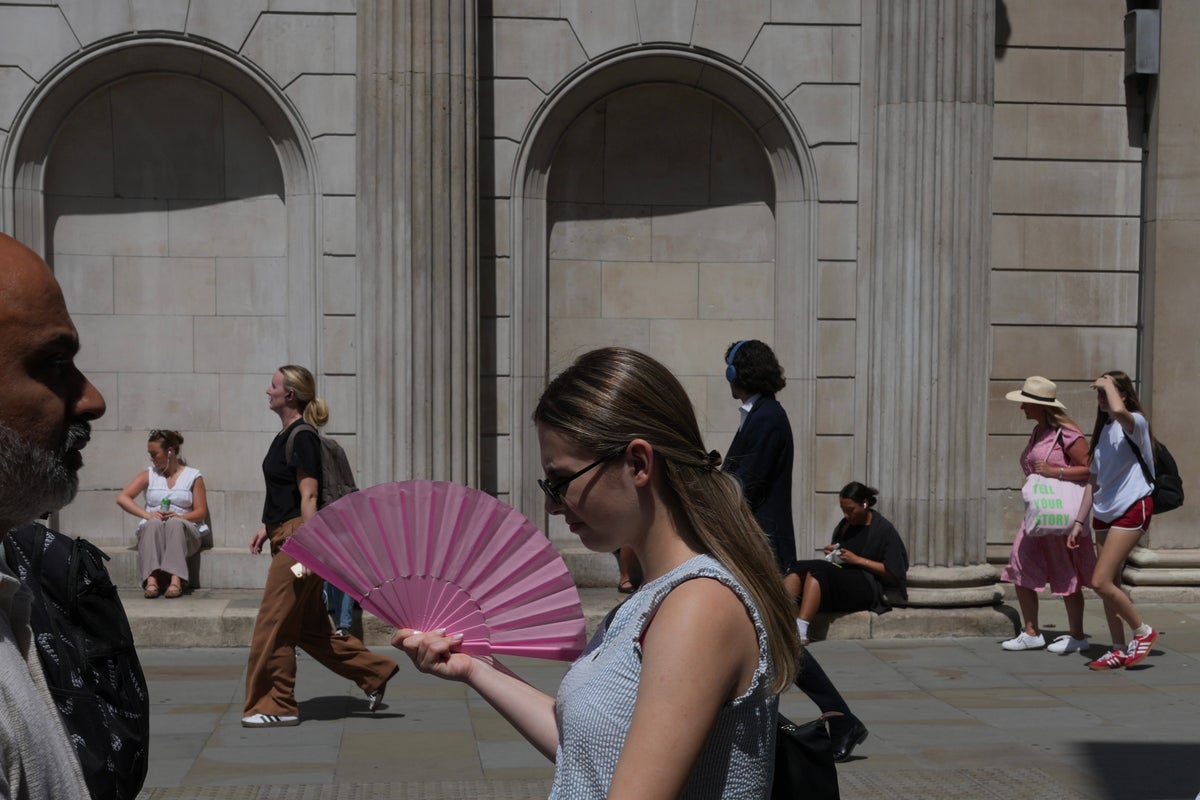
The summit followed a year of devastating disasters made worse, and far more likely, by climate change. A summer heat wave in Europe killed more than 50,000 people, with nearly two-thirds of the deaths blamed on human-caused climate change. In Nepal, a partially collapsed Himalayan glacier triggered flooding that washed away entire villages and left thousands dead or missing, and more melting glaciers remain at risk of doing the same. Wildfires raged across the globe, including in Canada, with smoke making air quality in several US cities among the worst in the world. Still, those disasters did not move developed countries to more forcefully confront fossil fuels at COP31.S1S2