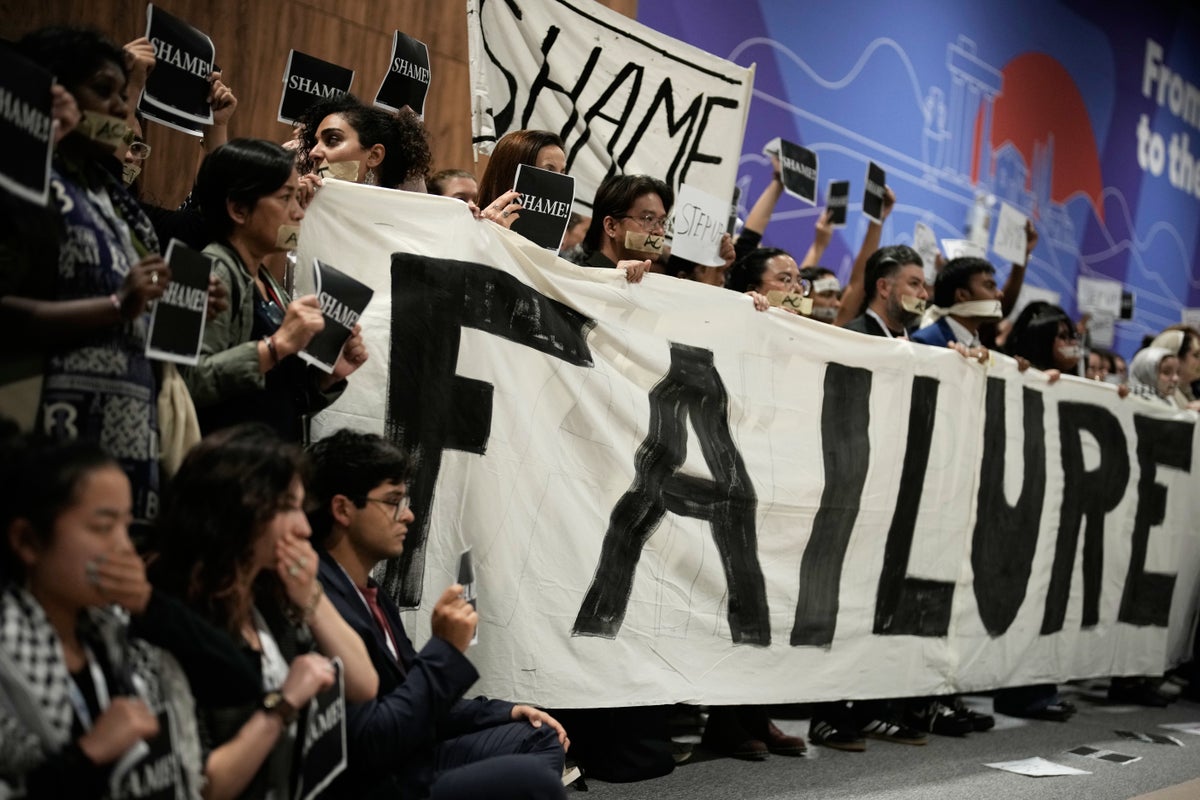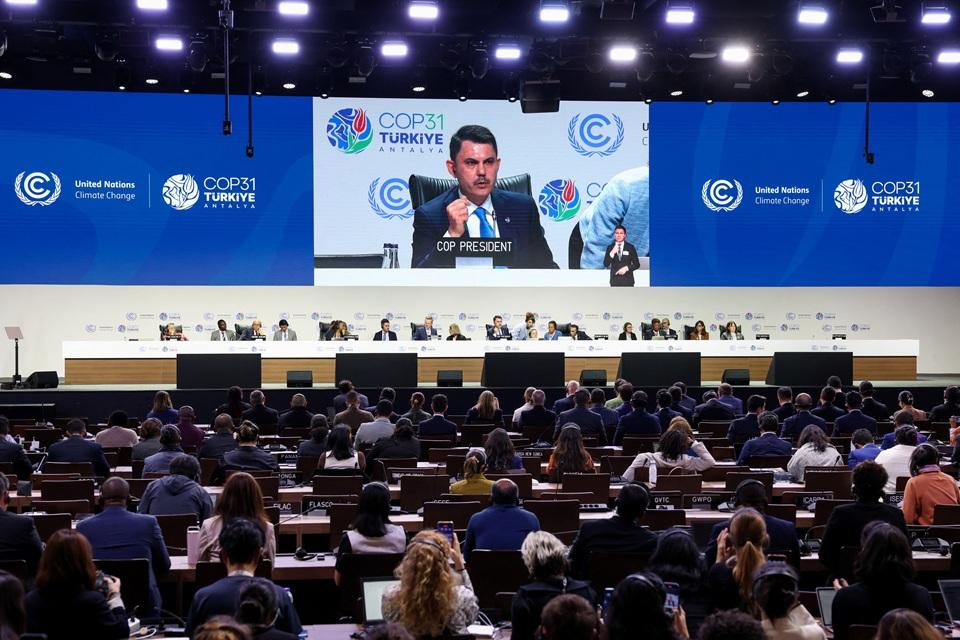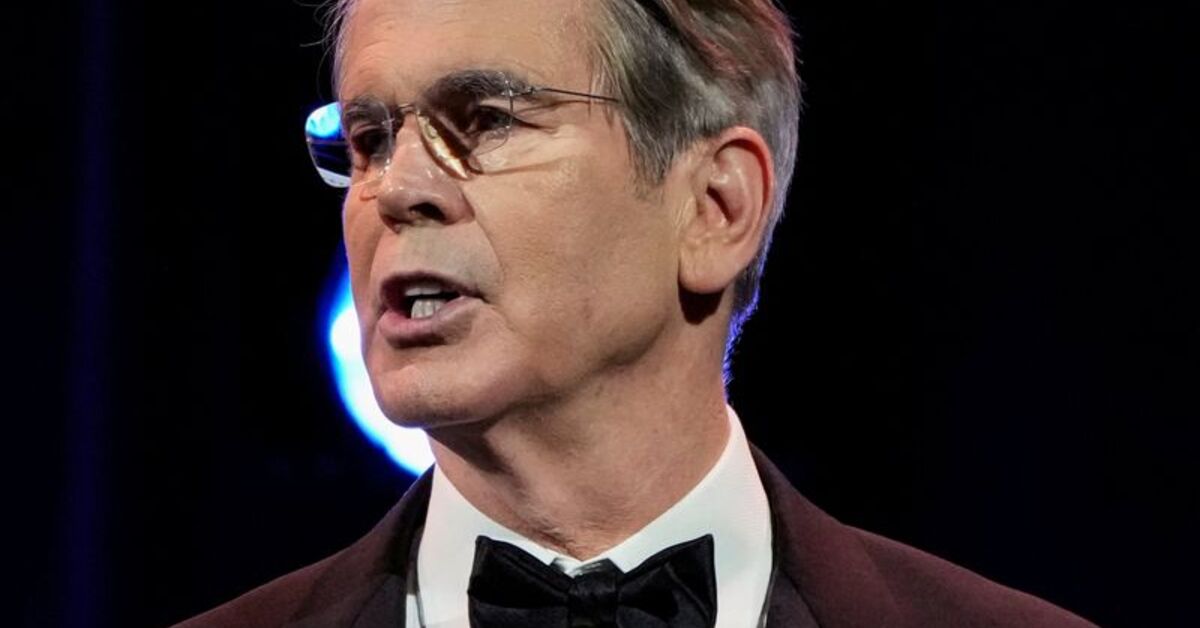
UN climate talks known as COP31, held in Turkey, ended Sunday in division and finger-pointing without the overarching agreement on fighting climate change that had been hoped for. The main reason for the collapse was disagreement over mentioning the need to transition away from fossil fuels, the chief cause of global warming. United Nations climate chief Simon Stiell said, "The world cannot afford a repeat of this moment," adding, "The fight continues. We will never give up."
Experts told the Associated Press that hope for rescuing an ever-warming world is not gone, though the road ahead will be tougher, will require changes to negotiations, and may depend more on individual efforts by nations and companies than on joint action. The U.N. climate process reconvenes next year in Ethiopia. Most experts found positives in the collapse, mainly because it appears to be galvanizing many countries to phase out coal, oil and natural gas. Johan Rockström, director of the Potsdam Institute for Climate Impacts Research in Germany, called it "a climate and political crisis" that could hopefully lead to taking COP reform more seriously and truly getting serious about delivering the Paris Agreement.S1S2
The 2015 Paris Agreement requires countries to ratchet up plans to cut carbon emissions and aims to keep global average temperatures out of the danger zone, with goals of limiting long-term warming to well below 2 degrees Celsius and preferably below 1.5 degrees Celsius above pre-industrial times. The U.N. has conceded that the world will probably pass the 1.5 degree mark in a year or two. Rockström warned that exceeding it over the long term means danger for billions of people from droughts, floods, fire, heat waves, disease and human-reinforced storms.S1S2
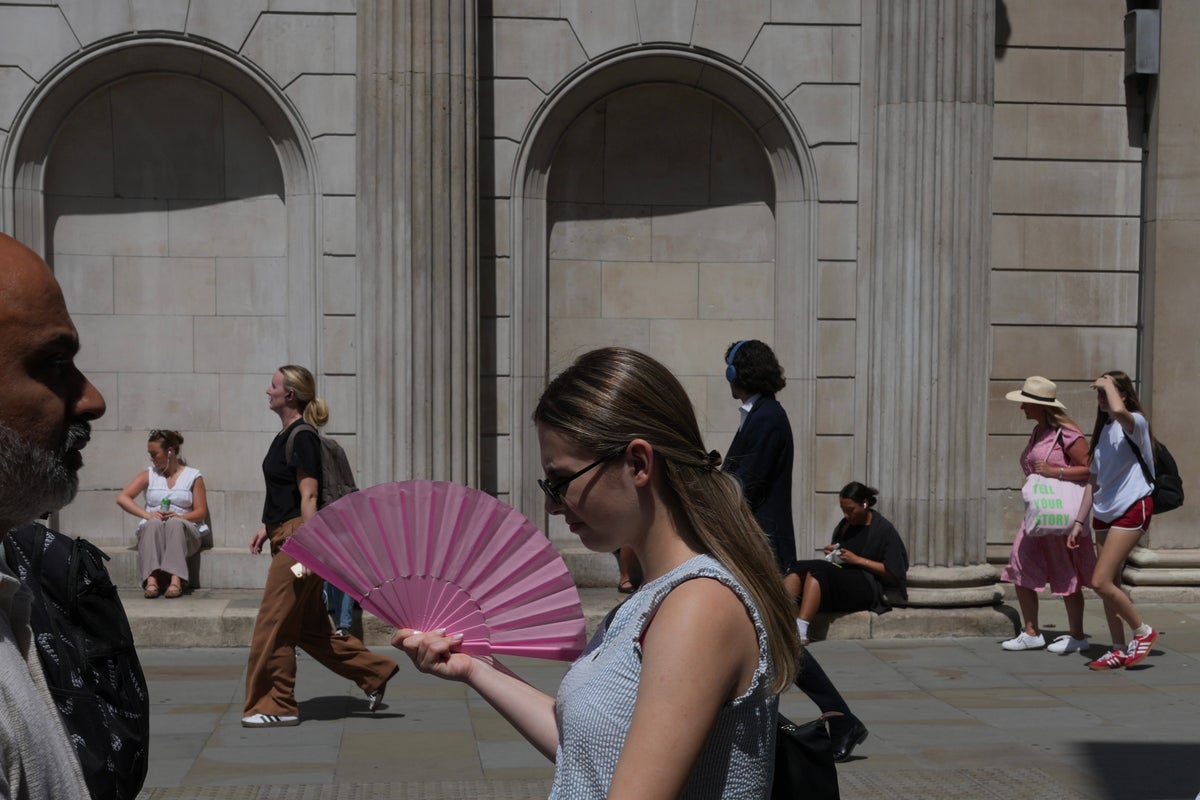
The European climate service Copernicus said that six times this month the average global daily temperature was more than 2 degrees Celsius above pre-industrial levels. Berkeley Earth climate scientist Zeke Hausfather said, "This is yet another sign that the climate doesn't really care about our politics — either in the U.S. or COP." He said the November temperature spikes show the world is not only passing 1.5 degrees over the long term but is not far from the 2 degree threshold. University of Pennsylvania climate scientist Michael Mann argues against making too much of these November spikes.S1S2