Story Iran

Impact of Iran Conflict on South Asian Remittances

Iran
The brief

The ongoing conflict involving Iran poses significant risks to remittance flows from the Gulf region to South Asia, which are crucial for the economies of many countries in the area.

Context

Remittances from South Asian workers in the Middle East are a vital economic lifeline for their home countries, contributing significantly to local economies.S1S2

Key points

  • Millions of South Asian workers rely on jobs in the Gulf region.S1S2
  • Remittances from these workers provide essential financial support to families back home.S1S2
  • Economists warn that a prolonged conflict could disrupt these remittance flows.S1S2
  • The Gulf economies may face downturns due to the ongoing conflict.S1S2
  • A decline in remittances could lead to increased economic hardship in South Asia.S1S2
  • Countries heavily dependent on remittances may experience significant financial strain.S1S2
  • The situation highlights the interconnectedness of global economies and local livelihoods.S1S2
  • Potential instability in the Gulf could lead to job losses for South Asian workers.S1S2

Why it matters

  • Remittances are a key source of income for many South Asian families, affecting their living standards.S1S2
  • Economic stability in South Asia is closely tied to the health of Gulf economies.S1S2
  • The potential for reduced remittances raises concerns about poverty and economic growth in the region.S1S2

What to watch

  • Monitor developments in the Gulf region and their impact on local economies.S1S2
  • Watch for changes in employment rates for South Asian workers in the Gulf.S1S2
  • Keep an eye on economic policies in South Asia that may respond to remittance fluctuations.S1S2
Timeline · newest first
7mos Deutsche Welle · 4 reports

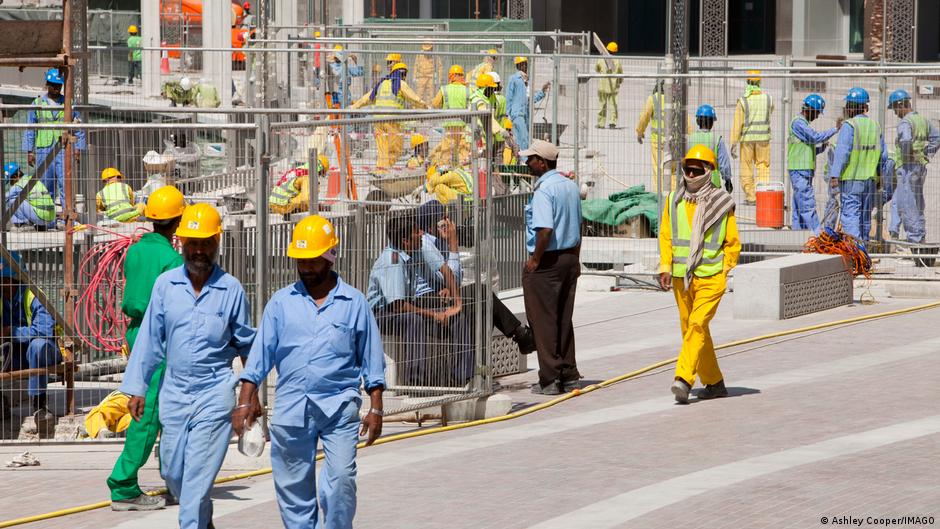
Iran war puts South Asia's Gulf remittances at risk

Millions of South Asian workers in the Middle East provide a vital economic boost by sending money home. Economists warn these flows would be at risk if a protracted conflict dents…

Impact of Iran Conflict on South Asian Remittances

1 outlet 4 reports
The brief

The ongoing conflict involving Iran poses significant risks to remittance flows from the Gulf region to South Asia, which are crucial for the economies of many countries in the area.

Context

Remittances from South Asian workers in the Middle East are a vital economic lifeline for their home countries, contributing significantly to local economies.S1S2

Key points

  • Millions of South Asian workers rely on jobs in the Gulf region.S1S2
  • Remittances from these workers provide essential financial support to families back home.S1S2
  • Economists warn that a prolonged conflict could disrupt these remittance flows.S1S2
  • The Gulf economies may face downturns due to the ongoing conflict.S1S2
  • A decline in remittances could lead to increased economic hardship in South Asia.S1S2
  • Countries heavily dependent on remittances may experience significant financial strain.S1S2
  • The situation highlights the interconnectedness of global economies and local livelihoods.S1S2
  • Potential instability in the Gulf could lead to job losses for South Asian workers.S1S2

Why it matters

  • Remittances are a key source of income for many South Asian families, affecting their living standards.S1S2
  • Economic stability in South Asia is closely tied to the health of Gulf economies.S1S2
  • The potential for reduced remittances raises concerns about poverty and economic growth in the region.S1S2

What to watch

  • Monitor developments in the Gulf region and their impact on local economies.S1S2
  • Watch for changes in employment rates for South Asian workers in the Gulf.S1S2
  • Keep an eye on economic policies in South Asia that may respond to remittance fluctuations.S1S2

Timeline · newest first

Sources · 2 citations

S1S2 Deutsche Welle 4 reports · EN