The brief
The United Nations is implementing measures to ensure the continued flow of fertiliser through the Strait of Hormuz, a critical passage for global food production, amidst rising tensions in the Middle East.
Context
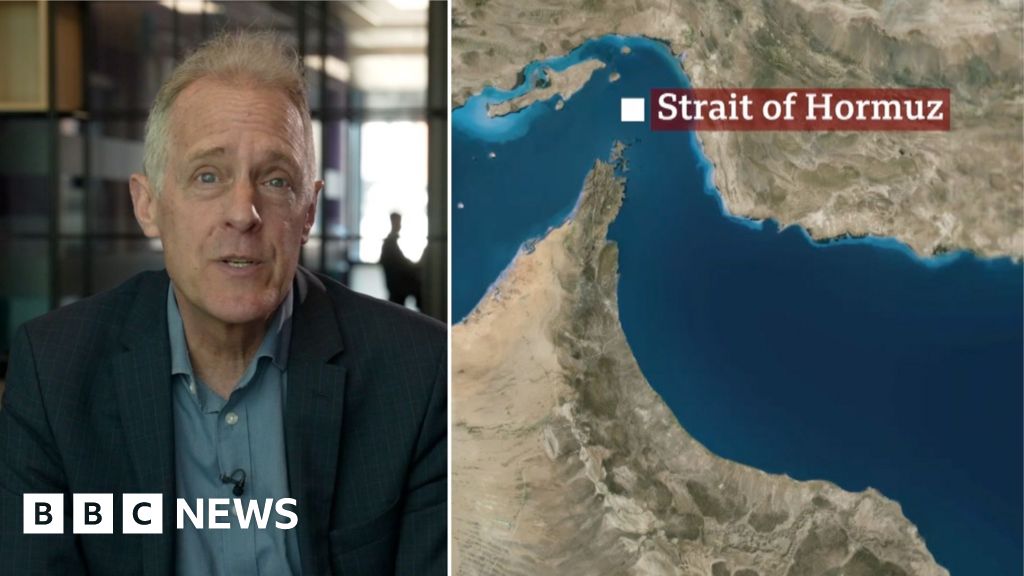
The Strait of Hormuz is a vital shipping route where a significant portion of the world's oil supply is transported. Current geopolitical tensions have raised concerns about the safety and accessibility of this crucial waterway.S2
Key points
- The UN's actions aim to protect fertiliser trade, essential for global agriculture.S1
- Tensions in the Middle East are impacting global food production and supply chains.S1
- The Strait of Hormuz is a narrow waterway between Iran and the Arabian Peninsula.S2
- Approximately 20% of the world's oil supply typically passes through this strait.S2
- Iran currently controls access to the strait, affecting international shipping.S2
- The situation in the strait is described as effectively closed due to Iranian restrictions.S2
- Navigating the Strait of Hormuz has become increasingly dangerous for shipping vessels.S2
- The UN's intervention highlights the importance of maintaining trade routes during conflicts.S1
Why it matters
- Ensuring the flow of fertiliser is critical for food security globally, especially in times of conflict.S1
- Disruptions in oil supply can lead to broader economic implications worldwide.S2
- The situation underscores the geopolitical significance of the Strait of Hormuz in global trade.S2
What to watch
- Monitor developments in the UN's efforts to secure shipping routes in the region.S1
- Watch for potential responses from Iran regarding shipping access in the strait.S2
- Keep an eye on global food prices as the situation evolves and impacts fertiliser availability.S1