🌐 World · English
Current: 🌐 World · English
Global
Focused
Language
Friday 31 July
🌐 World · English
Current: 🌐 World · English
Global
Focused
Language

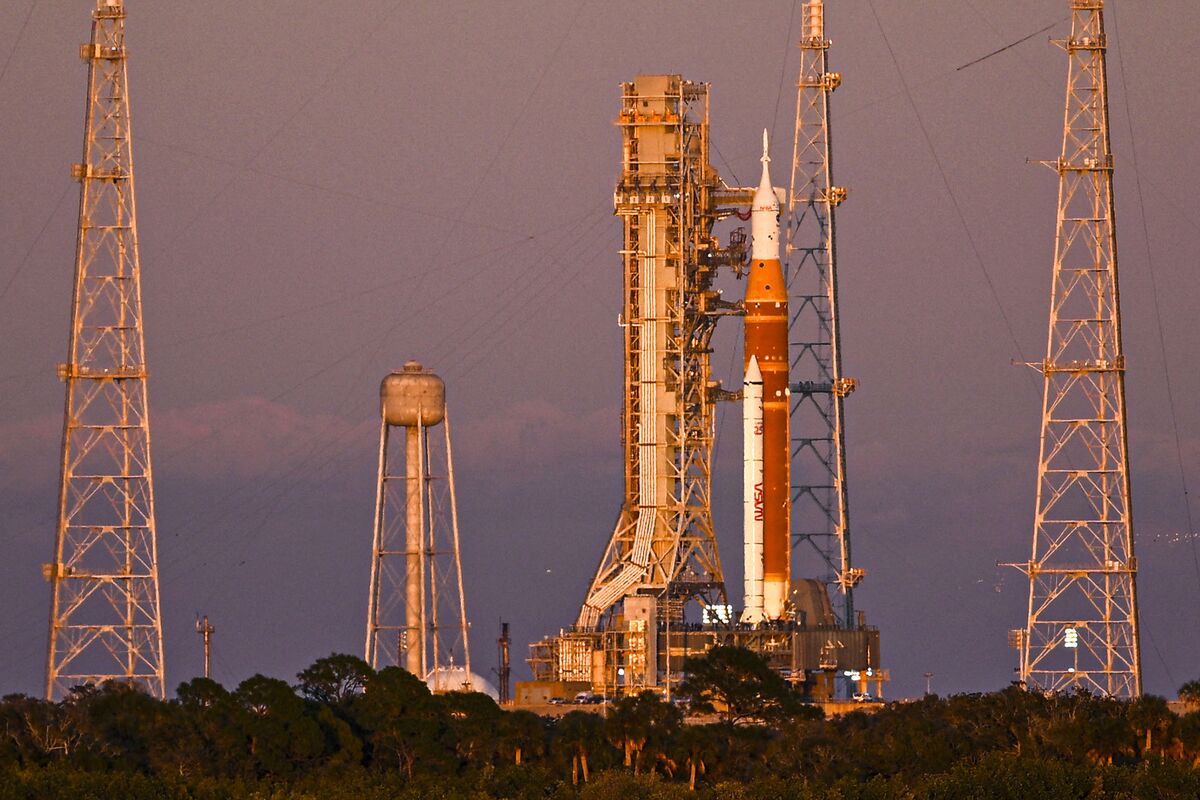
NASA's Moon Mission: A $100 Billion Investment

United States
The brief

NASA's ambitious plan to return to the Moon involves a significant financial commitment, with varying perspectives on its purpose and implications.

Context

The Artemis program aims to establish a sustainable human presence on the Moon, building on the legacy of the Apollo missions.S1S2

Key points

  • NASA's Artemis program is designed to return humans to the Moon by establishing a sustainable presence.S1
  • The program aims to facilitate scientific research and exploration of lunar resources.S2
  • Different stakeholders have varying opinions on the necessity and benefits of the Moon mission.S1
  • The investment is part of a broader strategy to prepare for future missions to Mars.S2
  • The Artemis program includes plans for a lunar Gateway to support deep space exploration.S1
  • NASA's previous Moon landing in 1969 set a historical precedent for lunar exploration.S1
  • The program is expected to enhance international collaboration in space exploration.S2
  • Public interest in lunar missions has been reignited due to advancements in technology and exploration goals.S1

Why it matters

  • Understanding the motivations behind NASA's investment can inform public discourse on space exploration priorities.S1
  • The program's success could lead to technological advancements with applications beyond space exploration.S2

What to watch

  • Monitor developments in the Artemis program as NASA prepares for upcoming lunar missions.S1
  • Watch for international partnerships that may emerge as part of the lunar exploration efforts.S2
Timeline · newest first
3mos The New York Times

When Will NASA’s Artemis II Mission Reach the Moon?

After orbiting Earth, the Orion capsule will carry the astronauts to the moon and arrive by Monday night.

3mos Bloomberg

NASA's Artemis II Lifts Off in Landmark Moon Mission

NASA astronauts lifted off on a 10-day journey that will slingshot them around the moon, marking humanity’s return to the lunar vicinity for the first time in more than half a cent…

3mos The New York Times

Why NASA’s Artemis II Astronauts Won’t Land on the Moon

It has been 50 years since humans last walked the lunar surface, and NASA’s efforts to get back there will take place in stages.

3mos Deutsche Welle

NASA's Artemis II set to take off for moon voyage

ScienceUnited States of AmericaNASA's Artemis II set to take off for moon voyageJenipher Camino Gonzalez with AP, Reuters04/01/2026April 1, 2026Artemis II will bring humans back cl…

3mos BBC

Nasa Apollo missions: Stories of the last Moon men

Nasa Apollo missions: Stories of the last Moon men20 minutes agoShareSaveAdd as preferred on GoogleBen FellBBC NewsNASAWho will be the next human to leave their footprint on the su…

4mos Bloomberg

Why Is NASA Spending $100 Billion to Return to the Moon? Depends on Who You Ask

NASA pulled off the moon landing in 1969 with a clear goal from the outset: to be the first nation to put boots on the lunar surface.

NASA's Moon Mission: A $100 Billion Investment

5 outlets 8 reports
The brief

NASA's ambitious plan to return to the Moon involves a significant financial commitment, with varying perspectives on its purpose and implications.

Context

The Artemis program aims to establish a sustainable human presence on the Moon, building on the legacy of the Apollo missions.S1S2

Key points

  • NASA's Artemis program is designed to return humans to the Moon by establishing a sustainable presence.S1
  • The program aims to facilitate scientific research and exploration of lunar resources.S2
  • Different stakeholders have varying opinions on the necessity and benefits of the Moon mission.S1
  • The investment is part of a broader strategy to prepare for future missions to Mars.S2
  • The Artemis program includes plans for a lunar Gateway to support deep space exploration.S1
  • NASA's previous Moon landing in 1969 set a historical precedent for lunar exploration.S1
  • The program is expected to enhance international collaboration in space exploration.S2
  • Public interest in lunar missions has been reignited due to advancements in technology and exploration goals.S1

Why it matters

  • Understanding the motivations behind NASA's investment can inform public discourse on space exploration priorities.S1
  • The program's success could lead to technological advancements with applications beyond space exploration.S2

What to watch

  • Monitor developments in the Artemis program as NASA prepares for upcoming lunar missions.S1
  • Watch for international partnerships that may emerge as part of the lunar exploration efforts.S2

Timeline · newest first

Sources · 2 citations

S1 Bloomberg 2 reports · EN
S2 ABC NewsLead 2 reports · EN
The New York Times 2 reports · EN
BBC 1 report · EN
Deutsche Welle 1 report · EN