The brief
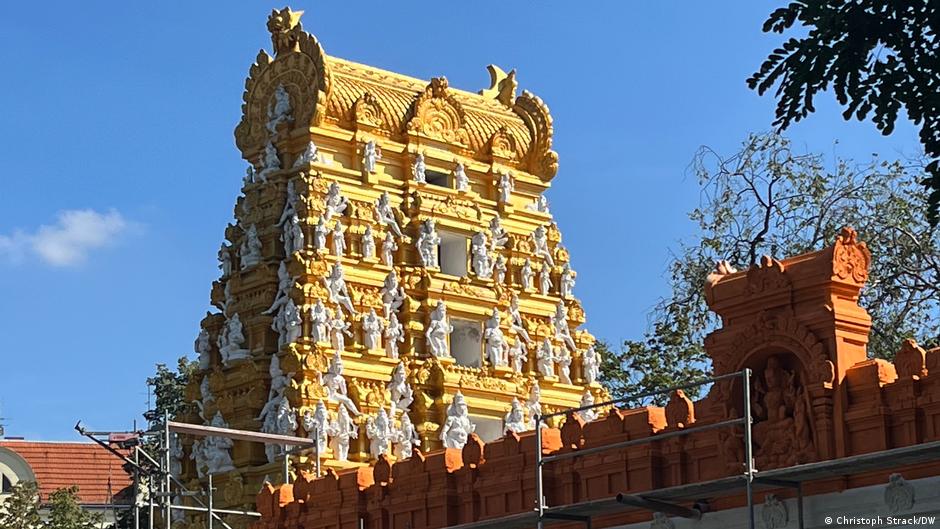
Germany is witnessing a transformation in its religious landscape as abandoned Christian churches are being replaced by new religious buildings, reflecting the country's growing diversity.
Context
The shift in Germany's religious architecture highlights the impact of immigration on the country's cultural and spiritual identity.S1S2
Key points
- Many Christian churches in Germany are being abandoned.S1S2
- New religious buildings are emerging in their place.S1S2
- Immigrants from India and Syria are contributing to this change.S1S2
- The urban landscape is becoming increasingly diverse due to these developments.S1S2
- This trend reflects broader demographic shifts within Germany.S1S2
- Religious diversity is reshaping community interactions and cultural expressions.S1S2
- The transformation raises questions about the future of traditional religious institutions.S1S2
- Germany's religious landscape is evolving to accommodate new faiths and practices.S1S2
Why it matters
- The change in religious buildings signifies a shift in cultural identity in Germany.S1S2
- Understanding this diversity is crucial for social cohesion and integration efforts.S1S2
- The evolution of religious spaces can influence community dynamics and interfaith relations.S1S2
What to watch
- Monitor how local governments respond to the changing religious landscape.S1S2
- Observe the impact of new religious communities on urban planning and development.S1S2
- Watch for potential interfaith initiatives that may arise from this diversity.S1S2