The brief
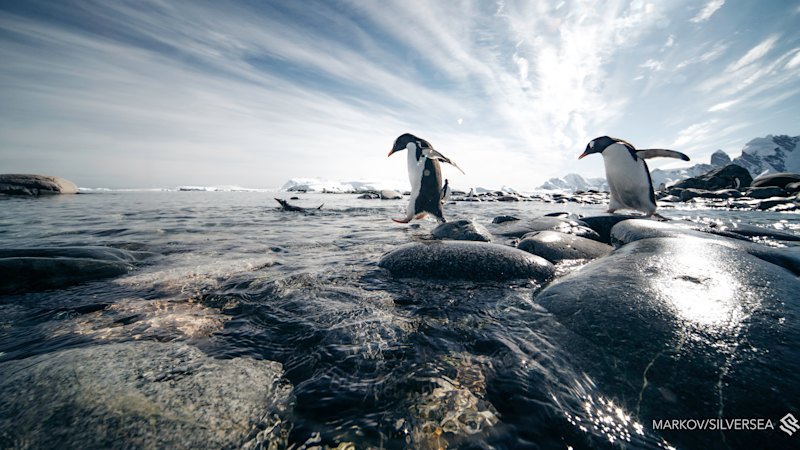
Recent research by Australian scientists indicates a rise in vegetation in Antarctica, suggesting significant implications for global warming.
Context
The findings highlight changes in the Antarctic ecosystem that may be linked to climate change.S1S2
Key points
- Research shows increased vegetation in Antarctica, particularly grass.S1S2
- The study suggests that warming temperatures are facilitating this growth.S1S2
- Changes in vegetation can impact local ecosystems and global climate patterns.S1S2
- The findings raise concerns about the broader implications of climate change.S1S2
- Increased vegetation may alter the albedo effect, affecting heat absorption.S1S2
- The research underscores the sensitivity of polar regions to climate shifts.S1S2
- Scientists emphasize the need for further monitoring of Antarctic ecosystems.S1S2
- The study contributes to the understanding of climate change's impact on biodiversity.S1S2
Why it matters
- Understanding vegetation changes in Antarctica is crucial for predicting climate trends.S1S2
- The findings could influence global climate policy and conservation efforts.S1S2
What to watch
- Monitor ongoing research on Antarctic ecosystems and climate change.S1S2
- Watch for updates on international climate agreements and their effectiveness.S1S2