The brief
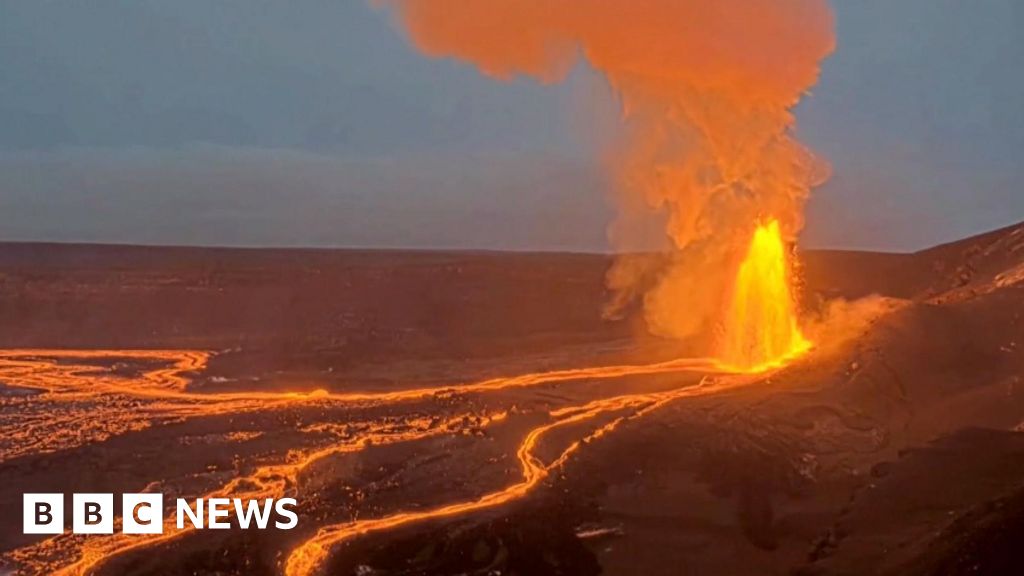
Hawaii's Kilauea volcano has erupted, sending lava fountains into the air and prompting the closure of Hawaii Volcanoes National Park.
Context
Kilauea is recognized as one of the world's most active volcanoes, with a history of eruptions.S1S2
Key points
- Lava fountains erupted over 200 meters into the air.S2
- The eruption began around 11 am local time.S2
- Hawaii Volcanoes National Park has been closed due to the eruption.S2
- The United States Geological Survey (USGS) is monitoring the situation closely.S2
- Plumes of smoke and lava were visible on a livestream camera.S2
- The eruption is part of Kilauea's ongoing activity since December 2024.S1
- Kilauea's eruptions can impact air quality and local communities.S1
- The volcano's activity attracts scientists and tourists alike.S1
Why it matters
- Understanding Kilauea's eruptions is crucial for disaster preparedness in Hawaii.S1
- The eruptions can affect local ecosystems and air quality.S1
- Tourism and local economies may be impacted by park closures.S2
What to watch
- Monitor updates from the USGS regarding volcanic activity.S2
- Watch for potential changes in air quality in surrounding areas.S1
- Observe how local authorities respond to the eruption and park closure.S2





/file/attachments/2998/14341149_774243.jpg)