The brief
The Indian Parliament has rejected a proposal for a women's quota, which aimed to increase female representation in legislative bodies.
Context
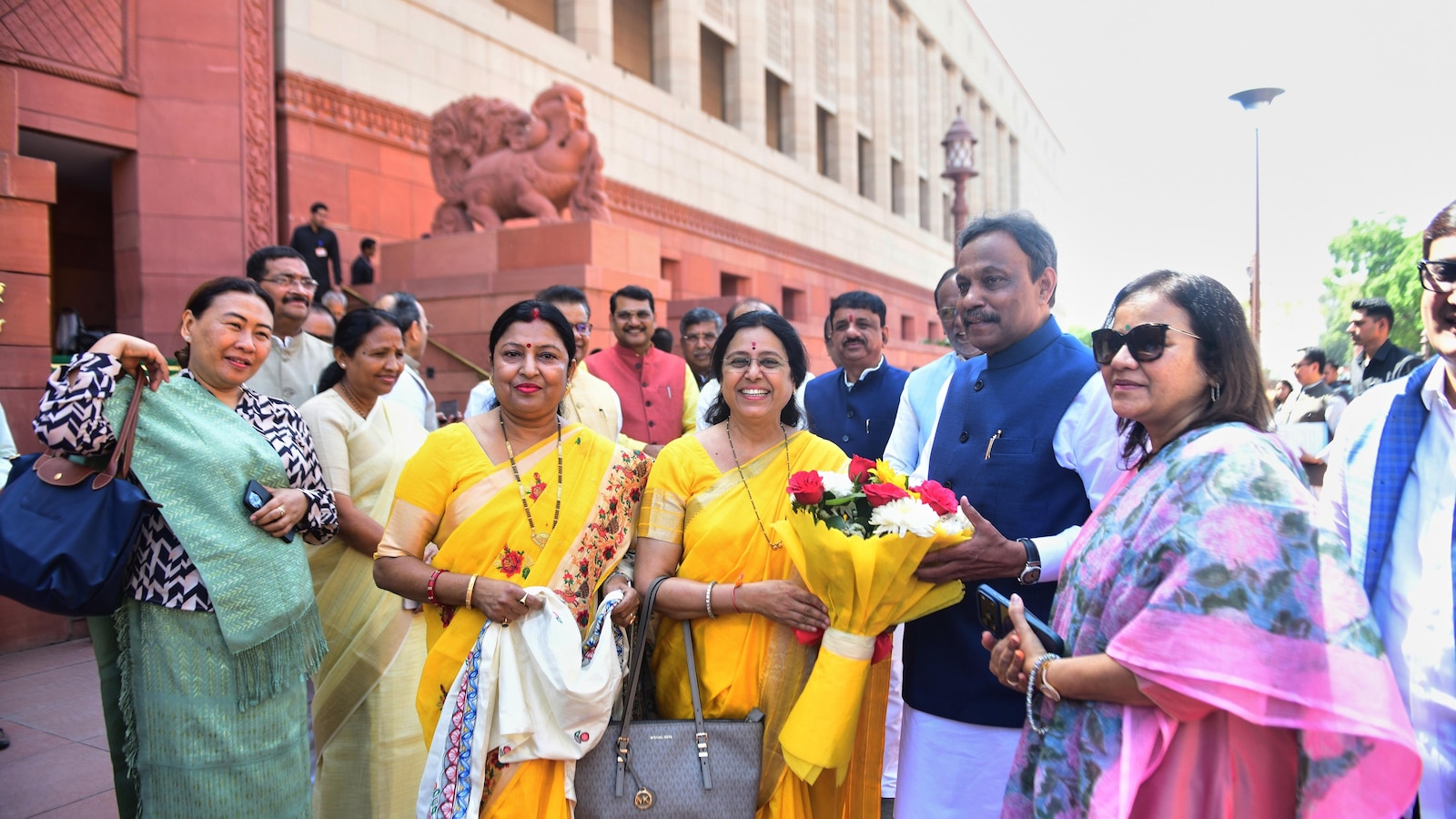
The proposal sought to establish a 33% quota for women and would have added hundreds of seats to the parliament.S1S2
Key points
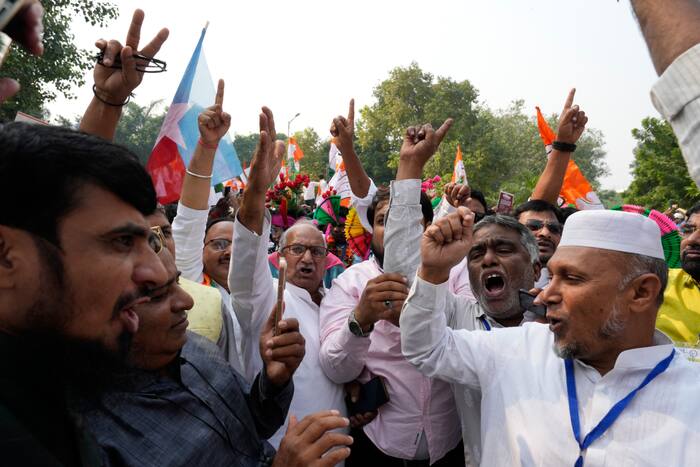
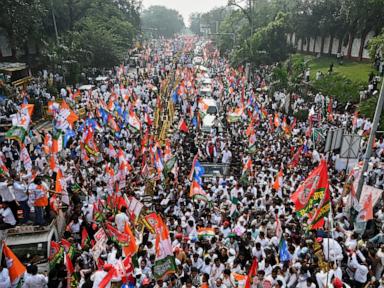
- Opposition parties accused the government of attempting to enhance its influence through the quota.S1S2
- The proposal was part of a broader plan to redraw voting boundaries alongside the seat quota.S3
- The rejection of the proposal reflects ongoing tensions between the ruling party and opposition groups.S1S2
- Supporters of the quota argued it was necessary for gender equality in politics.S1
- Critics claimed the quota would not address the underlying issues of women's representation.S1
- The failed vote highlights the challenges of implementing electoral reforms in India.S2
- The proposal's failure may impact future discussions on women's rights in India.S1
- This event marks a significant moment in the ongoing debate over gender representation in Indian politics.S2
Why it matters
- The failure of the women's quota proposal underscores the difficulties in achieving gender parity in political representation.S1
- It raises questions about the government's commitment to women's rights and empowerment.S2
What to watch
- Monitor any future attempts by the government to introduce similar reforms.S1
- Watch for reactions from women's rights organizations and political analysts following the vote.S2