The brief
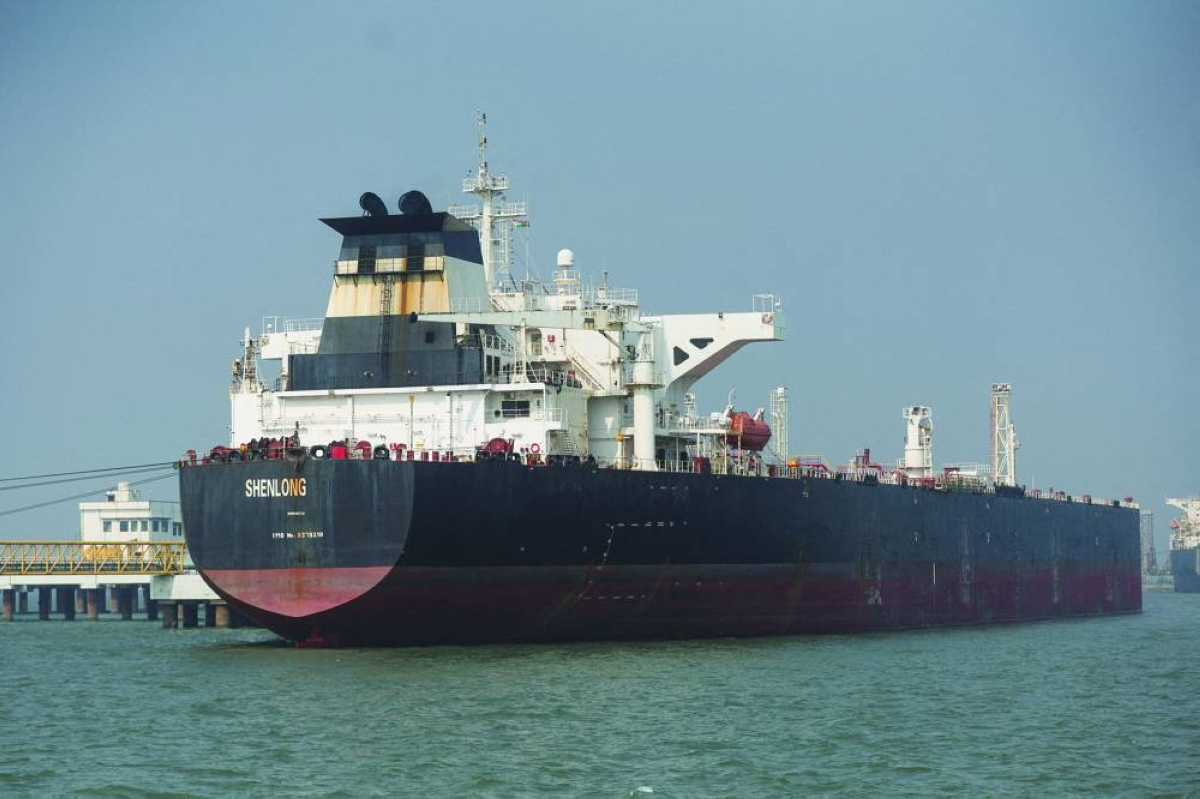
Iran has agreed to allow Malaysian ships to pass through the Strait of Hormuz, providing a temporary reprieve for Malaysia's energy supply.
Context
This development comes amid ongoing tensions in the region, where shipping routes are critical for energy supplies.S1
Key points
- Iran's decision is seen as a measure to ease disruptions in Malaysia's energy supply.S1
- Malaysian Prime Minister has indicated the need for preparations for a potentially more volatile future.S1
- GCC Secretary-General has accused Iran of charging fees for ships passing through the Strait.S2
- The Strait of Hormuz is a vital shipping lane for global oil supplies.S1
- Iran's actions could impact shipping costs and energy prices in the region.S2
- The agreement may influence Malaysia's diplomatic relations with Iran and other Gulf states.S1
- The situation reflects broader geopolitical tensions in the Middle East.S1
- Iran's control over the Strait is a point of contention among Gulf Cooperation Council members.S2
Why it matters
- The Strait of Hormuz is crucial for global energy security, making any changes in access significant.S1
- Disruptions in shipping can lead to increased energy prices, affecting economies worldwide.S2
- Malaysia's energy supply stability is vital for its economic health and development.S1
What to watch
- Monitor any changes in shipping fees imposed by Iran for passage through the Strait.S2
- Watch for Malaysia's response to potential future volatility in the region.S1
- Observe the reactions from other Gulf states regarding Iran's control over shipping routes.S2