The brief
Iran has appointed a new head of its Supreme National Security Council, signaling a shift in its security leadership during ongoing discussions about the Strait of Hormuz.
Context
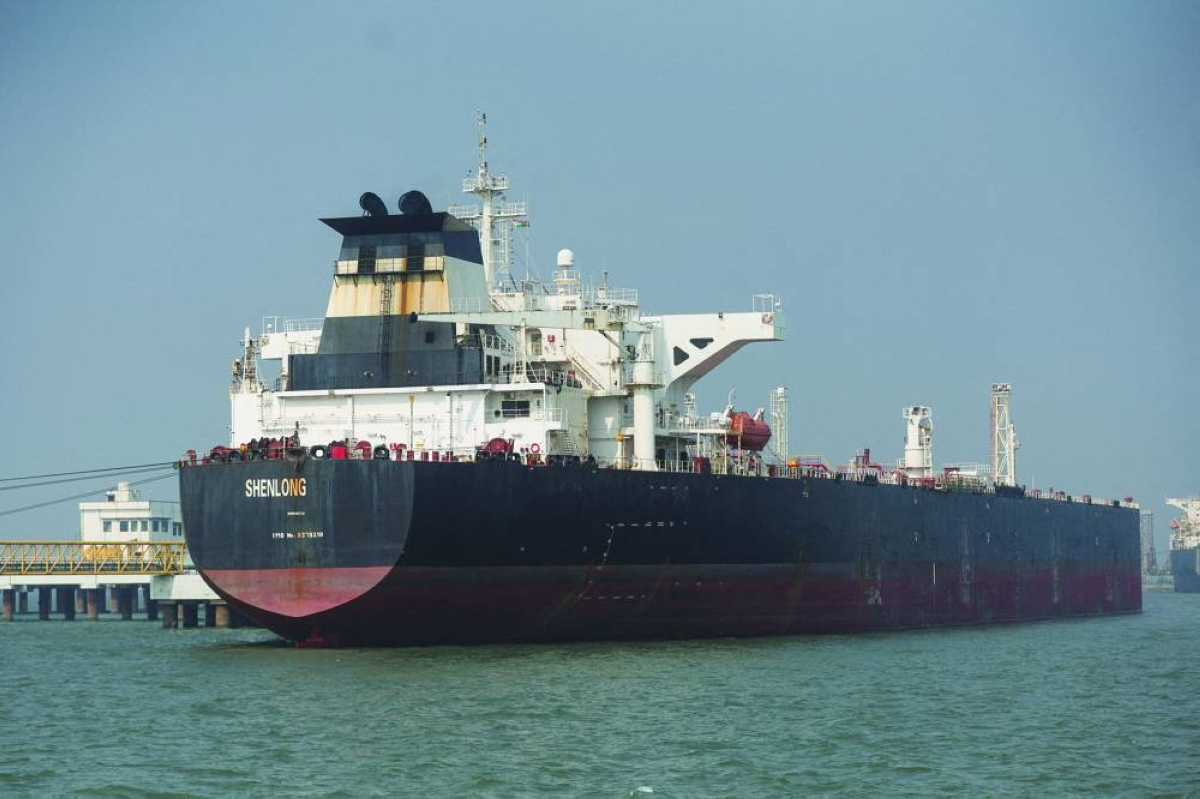
The appointment comes at a critical time as Iran engages in talks regarding the strategic Strait of Hormuz, a vital waterway for global oil shipments.S1S2
Key points
- Mohsen Rezaei has been appointed as the new head of the Supreme National Security Council.S2
- Rezaei replaces Mohammad Bagher Zolghadr, who has stepped down from the position.S2
- The change in leadership is seen as significant given the current geopolitical climate.S1
- Rezaei is a commander from the Islamic Revolutionary Guards Corps.S1
- The Strait of Hormuz is a critical chokepoint for oil transportation.S1
- Iran's security decisions are closely tied to its negotiations regarding the Strait.S2
- The new appointment may influence Iran's approach to international discussions.S1
- The timing of the leadership change coincides with heightened tensions in the region.S2
Why it matters
- The Strait of Hormuz is essential for global energy security, making Iran's security policies particularly impactful.S1
- Leadership changes in Iran's security apparatus can affect diplomatic relations and negotiations.S2
What to watch
- Monitor developments in Iran's negotiations regarding the Strait of Hormuz.S1
- Watch for potential responses from international stakeholders regarding the leadership change.S2