The brief
Iran has declared that it will not reopen the Strait of Hormuz until the United States meets its demands in ongoing negotiations.
Context
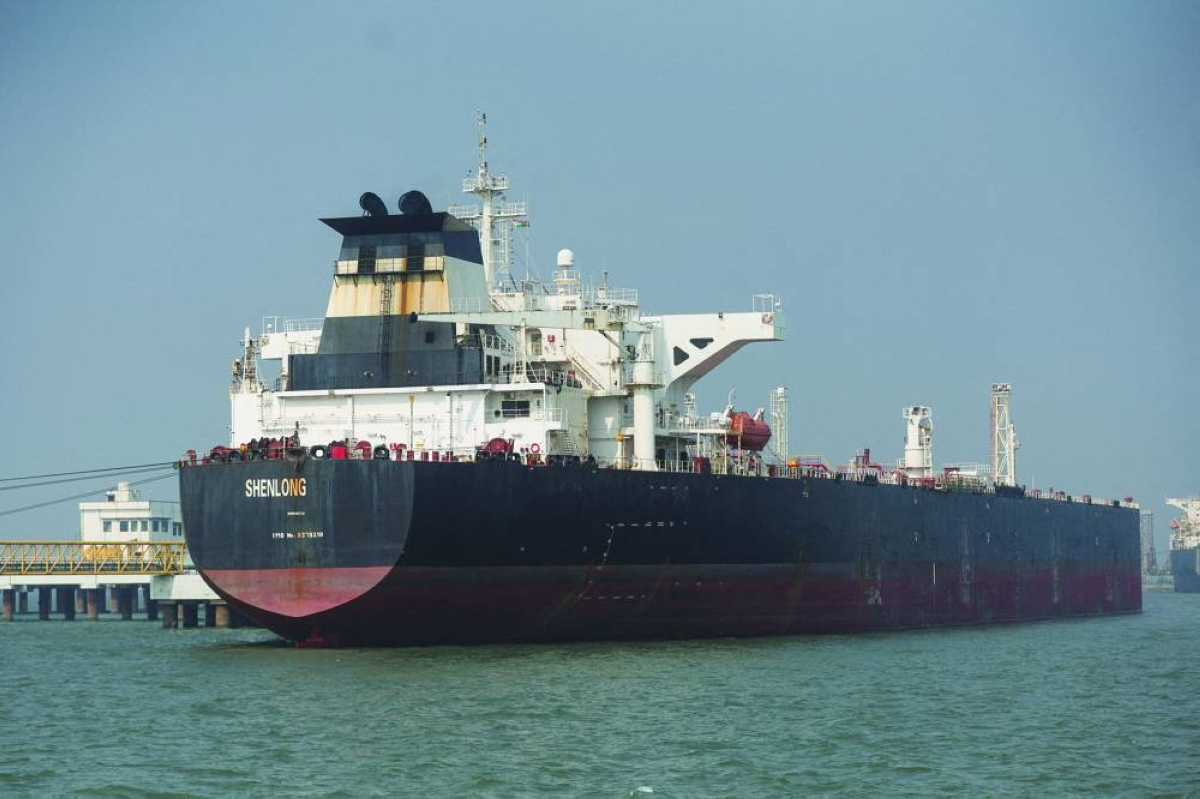
The Strait of Hormuz is a critical waterway for global oil shipments, and Iran's position could impact international trade and energy markets.S1
Key points
- Iran insists on U.S. concessions before reopening the Strait of Hormuz.S1
- The U.S. is being asked to lift the blockade imposed on Iran.S2
- Iran demands compensation for damages incurred during months of conflict.S2
- Economic sanctions against Iran must be lifted as part of the negotiations.S2
- Iran is also seeking the release of its frozen assets.S2
- The Strait of Hormuz is vital for the transportation of oil globally.S1
- Iran's demands reflect ongoing tensions between the U.S. and Iran.S1
- The situation could escalate if negotiations do not progress.S1
Why it matters
- The Strait of Hormuz is a key chokepoint for oil shipments, affecting global energy prices.S1
- Iran's demands could influence U.S. foreign policy and relations in the region.S2
- Failure to reach an agreement may lead to increased military tensions in the area.S1
What to watch
- Monitor developments in U.S.-Iran negotiations regarding sanctions and economic policies.S2
- Watch for potential impacts on global oil markets as the situation evolves.S1
- Keep an eye on military movements in the region as tensions may escalate.S1