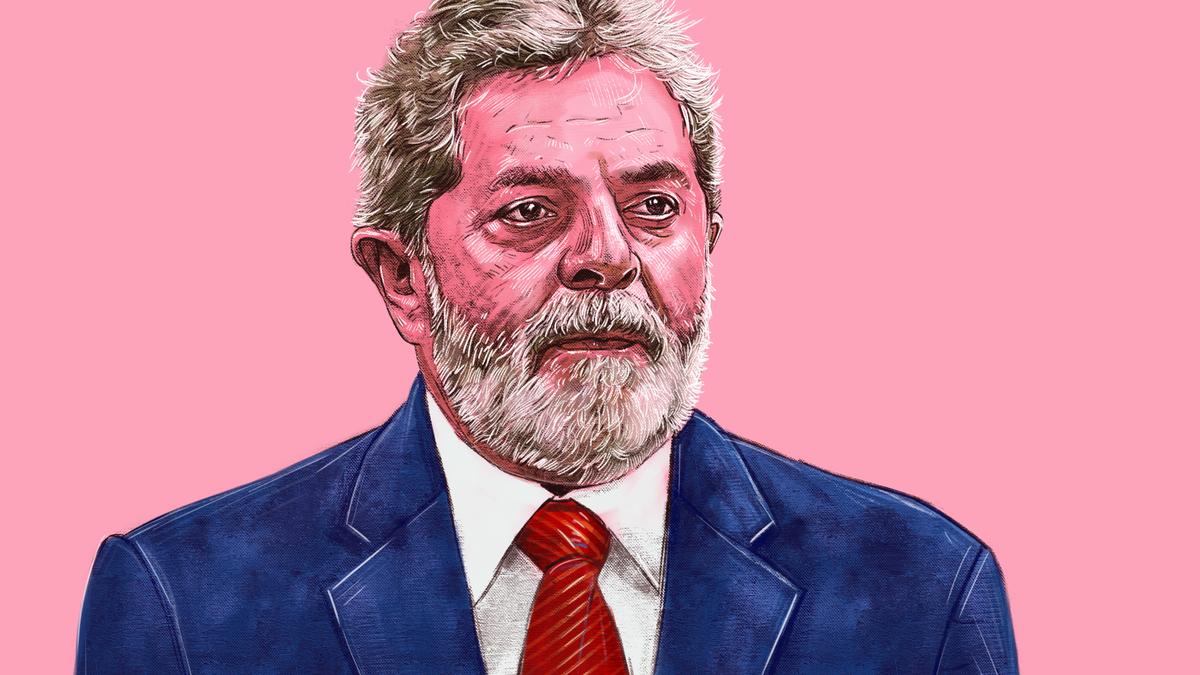
Luiz Inácio Lula da Silva has made a significant political comeback in Brazil, securing his reelection as President with 51.7% of the vote in a runoff election. This victory marks a historic moment, as it is the first time a candidate who finished second in the general election has triumphed in the subsequent runoff. Lula's win comes after a hard-fought campaign against far-right incumbent Jair Bolsonaro, who has been closely associated with former U.S. President Donald Trump and his political ideology. Lula's platform emphasized a new form of welfarism, focusing on ecological initiatives and infrastructure spending to address the pressing needs of Brazilian society.
The election, which saw a deeply polarized electorate, highlighted the stark contrast between Lula's left-of-center policies and Bolsonaro's far-right agenda. Lula's victory is seen as a rejection of Bolsonaro's administration, which faced criticism for its handling of various issues, including environmental policies and social inequality. Lula, a veteran politician who previously served two terms as President, has promised to prioritize social welfare and sustainable development in his new term, aiming to unite a divided nation and restore faith in democratic governance.S2
Lula's reelection not only signifies a shift in Brazil's political landscape but also reflects broader trends in Latin America, where leftist leaders have been gaining ground. His administration is expected to focus on revitalizing Brazil's economy, which has struggled under the weight of the pandemic and rising inflation. As Lula prepares to take office again, he faces the challenge of fulfilling his ambitious promises while navigating a complex political environment that includes a divided Congress and ongoing social tensions.S1S3