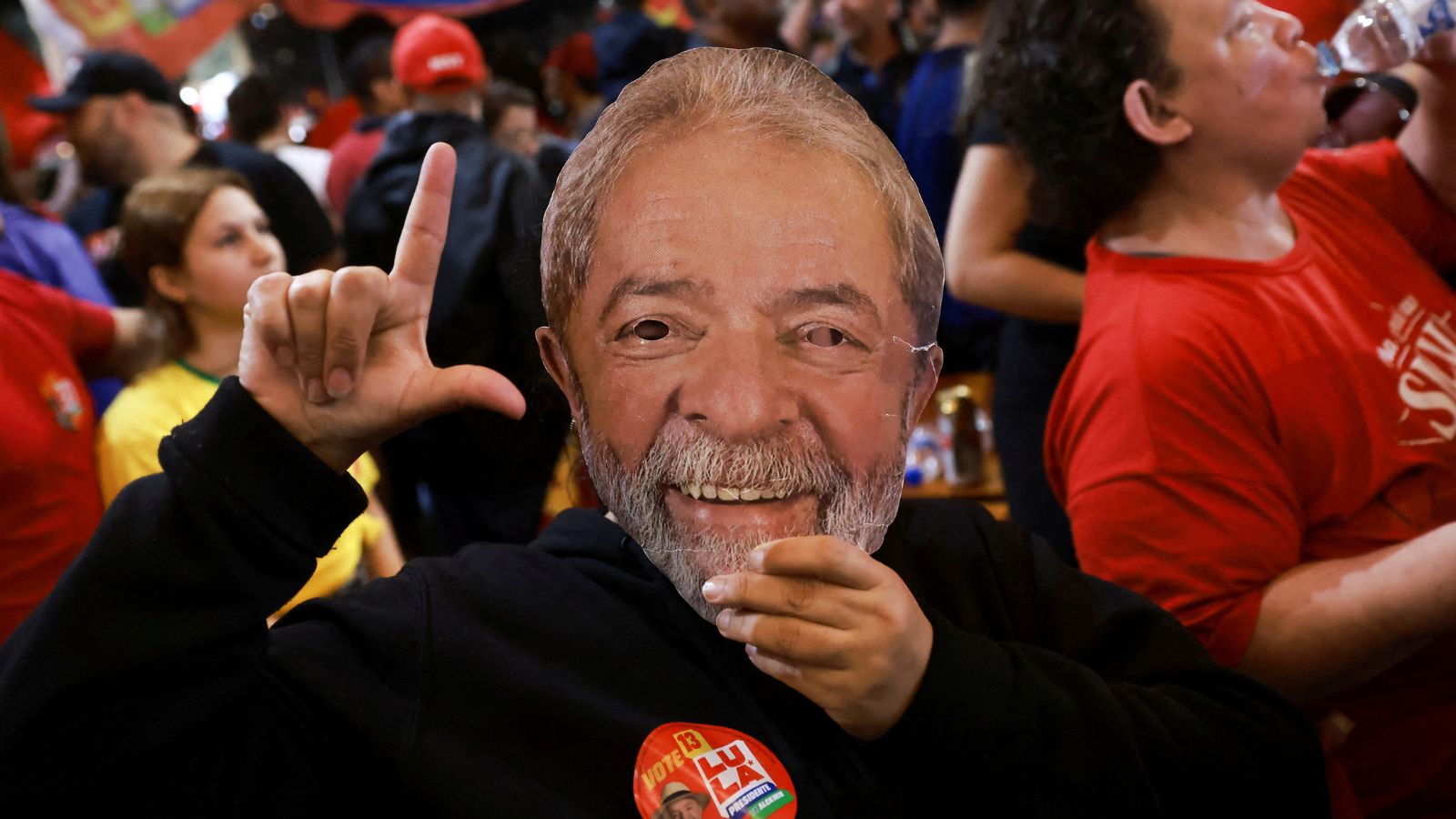
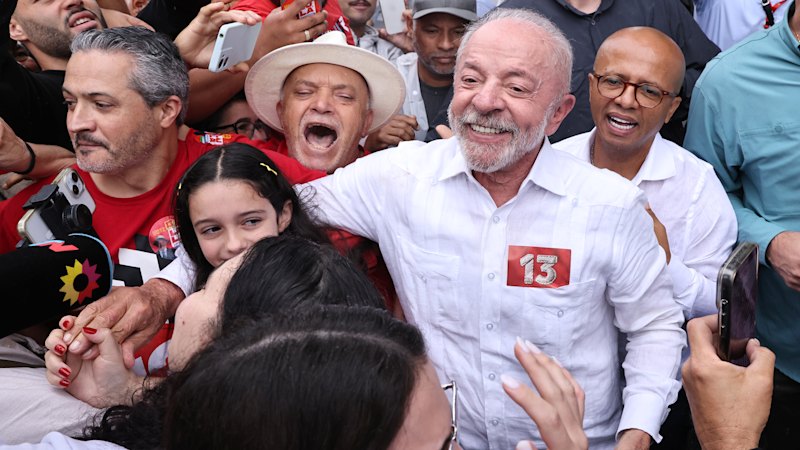
As President Luiz Inácio Lula da Silva embarks on his new term, he confronts a series of pressing economic challenges that could shape Brazil's financial landscape. Among his proposals is a new initiative aimed at providing debt relief, which would involve purchasing distressed household loans from banks at discounted rates. This approach is designed to alleviate the financial burden on many Brazilians who are struggling with debt, a situation exacerbated by the economic difficulties faced during the pandemic.
In addition to household debt relief, Lula plans to implement tax debt forgiveness for certain small business owners. This measure is intended to stimulate economic activity by easing the financial strain on small enterprises, which are crucial to Brazil's economy. The focus on small businesses reflects Lula's broader strategy to foster economic recovery and growth amid a challenging fiscal environment.S1
These initiatives come at a time when Brazil's economy is grappling with high inflation rates and sluggish growth, factors that have raised concerns among economists and the public alike. Lula's administration is tasked with navigating these economic headwinds while also addressing social inequalities that have persisted in the country. As he outlines his economic agenda, the success of these measures will likely depend on effective implementation and the ability to garner support from various stakeholders, including the business community and lawmakers.S2