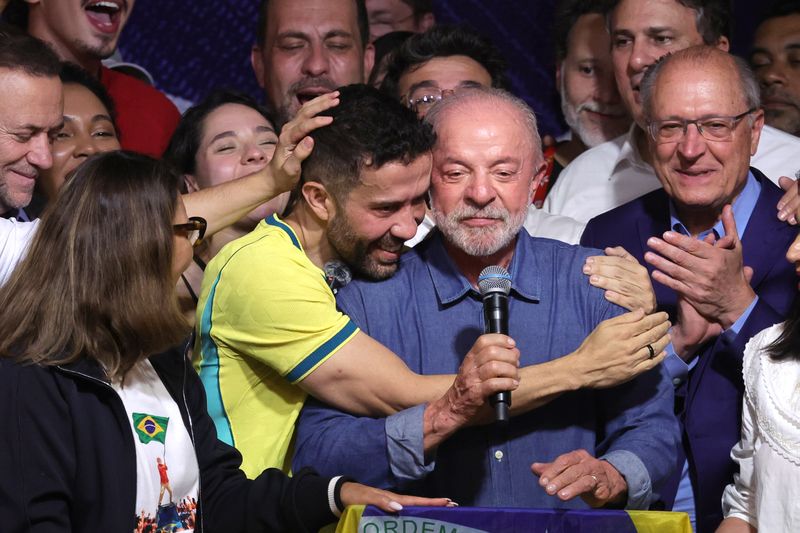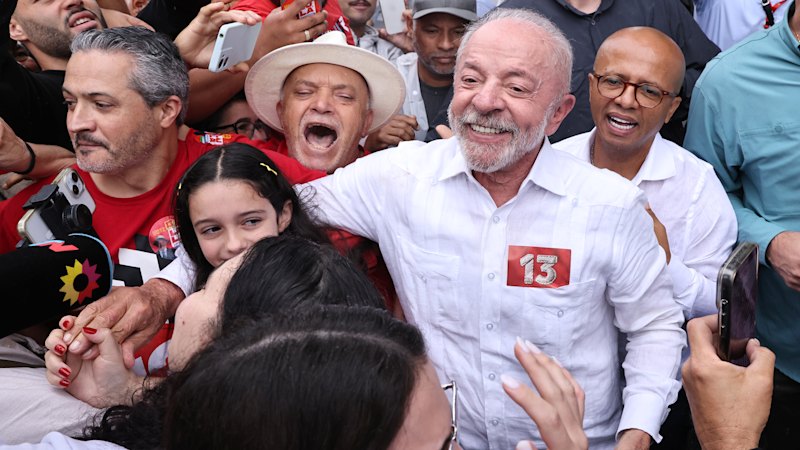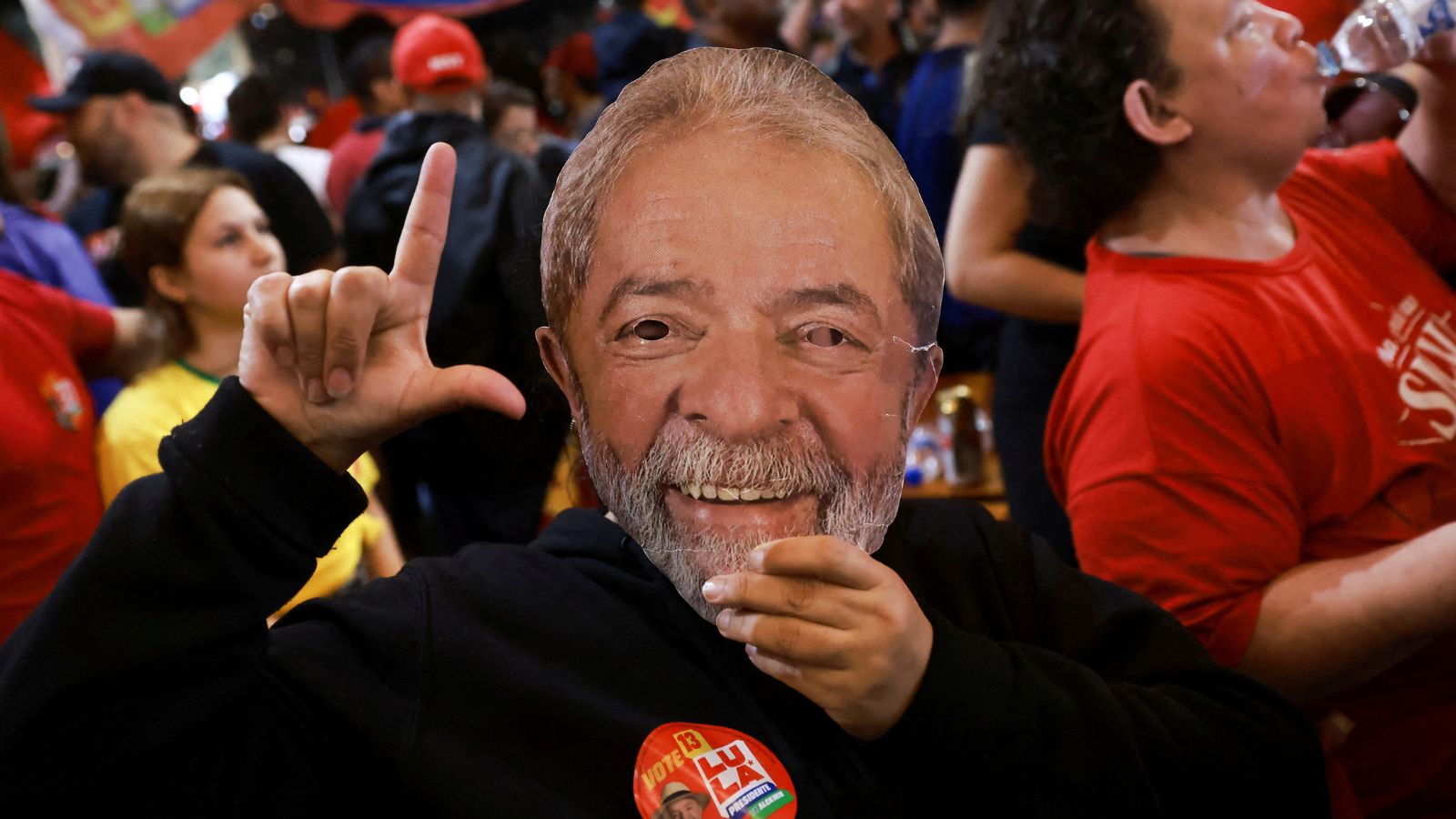
Luiz Inácio Lula da Silva, commonly known as Lula, has made history by being reelected for a fourth term as Brazil's president. This landmark victory, confirmed during the recent runoff vote, marks a significant moment in Brazilian politics, showcasing Lula's enduring popularity despite the challenges faced during his previous terms. Pollsters noted that the turnout was higher than expected, which seemed to have played a crucial role in his reelection, as reported by Andrei Roman, CEO of pollster AtlasIntel, who stated that Lula was set to be re-elected based on the data collected.
At 80 years old, Lula's achievement is not just a personal milestone but also a testament to his political resilience and the shifting dynamics within Brazil. His return to the presidency comes after a tumultuous period marked by controversies and legal battles that had previously sidelined him from politics. His reelection is seen as a pivotal moment for Brazil, as Lula aims to address pressing issues such as economic recovery and social inequality that have persisted in the country.S2
Lula's historic fourth term is expected to bring renewed focus on various domestic and international policies, particularly as Brazil navigates its role on the global stage. His administration will likely prioritize environmental issues, social programs, and strengthening ties with other nations, including a focus on enhancing Brazil's economic partnerships. As Lula prepares to take office again, the implications of his leadership will be closely monitored both within Brazil and abroad.S1S2