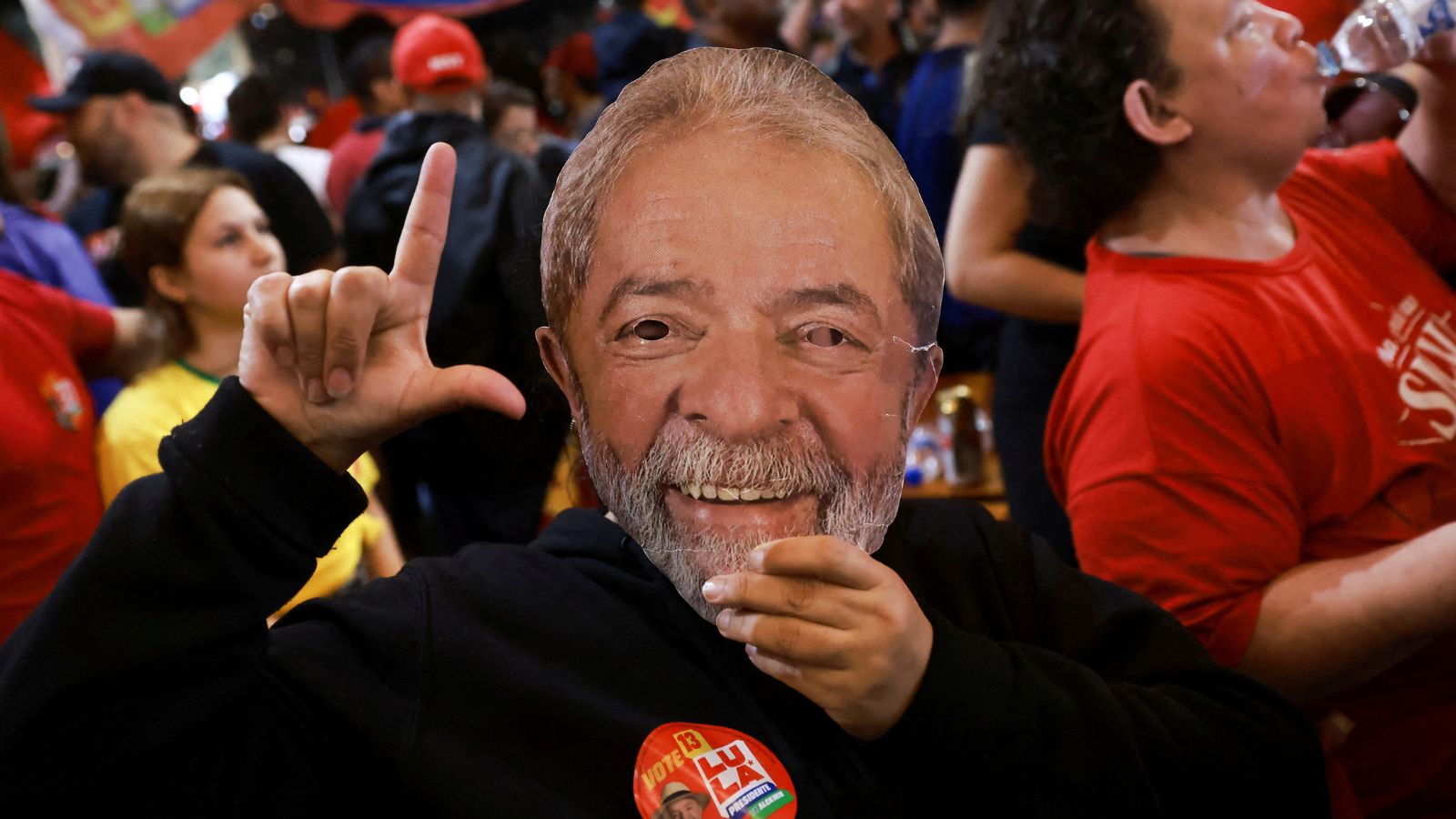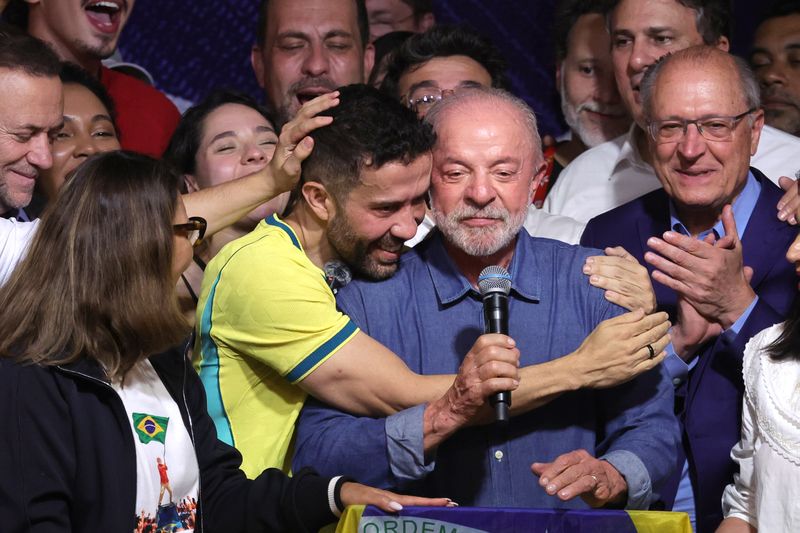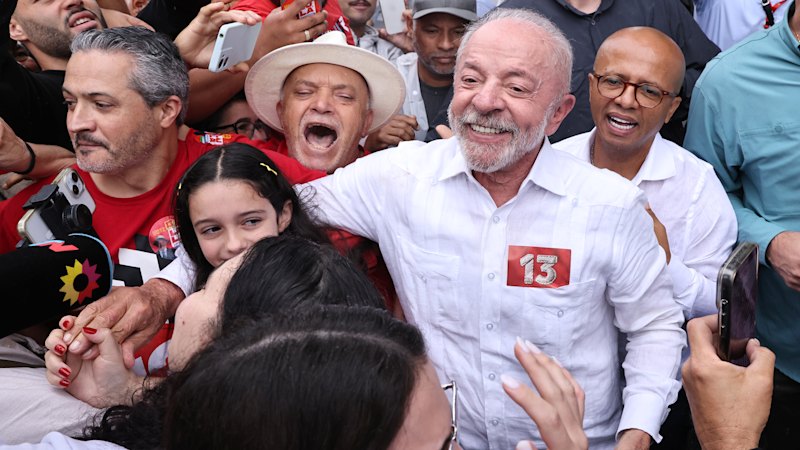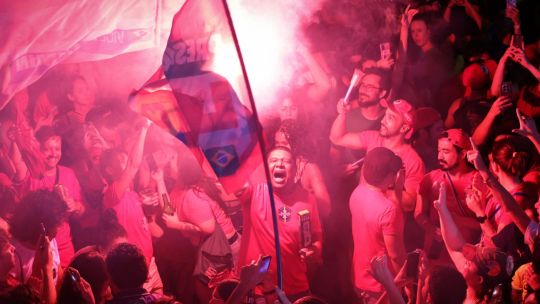
Luiz Inácio Lula da Silva has secured a historic fourth term as Brazil's President following a closely contested runoff election. Lula, representing the Workers' Party (PT), emerged victorious over right-wing candidate Flávio Bolsonaro of the Liberal Party (PL), with early results indicating a razor-thin margin as counting began, according to the Superior Electoral Court (TSE). This election marks a significant moment in Brazilian politics, showcasing a divided electorate and a contentious campaign leading up to the vote.
The election results have sent ripples through Brazil's financial markets, with the Brazilian real expected to weaken in the wake of Lula's victory. Analysts have noted that the outcome could influence economic policies and investor confidence moving forward. Lula's administration will need to navigate these challenges while addressing the pressing issues of inequality and economic recovery in Brazil, which have been central themes of his campaign.S1
As Lula prepares to take office, the political landscape remains charged, with many Brazilians divided over the direction of the country. His previous terms were marked by significant social programs and economic growth, but his return comes amid heightened political polarization. The implications of this election extend beyond Brazil, as Lula's leadership is expected to impact regional dynamics and international relations, particularly with countries like China and the United States.S1S2