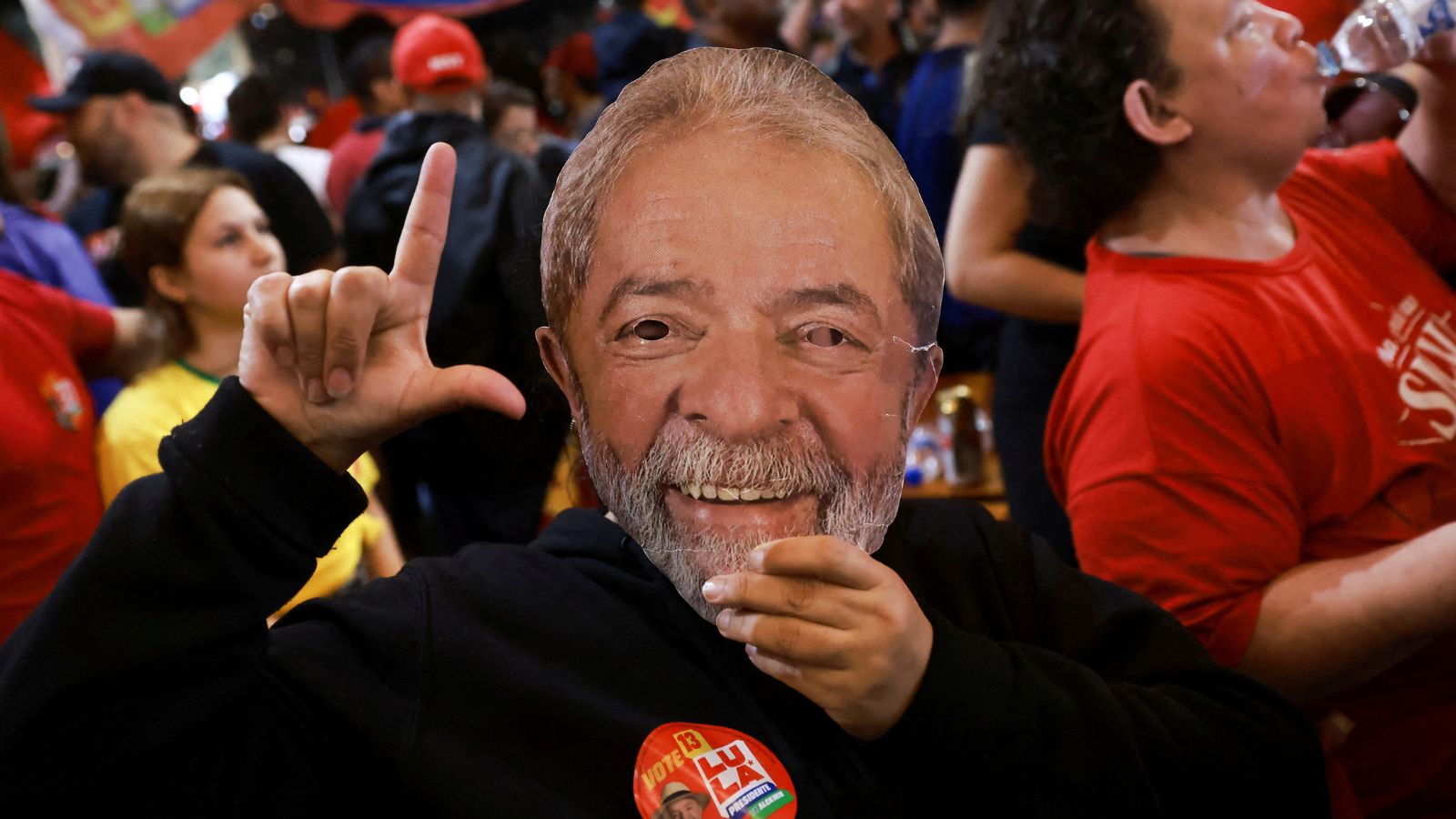
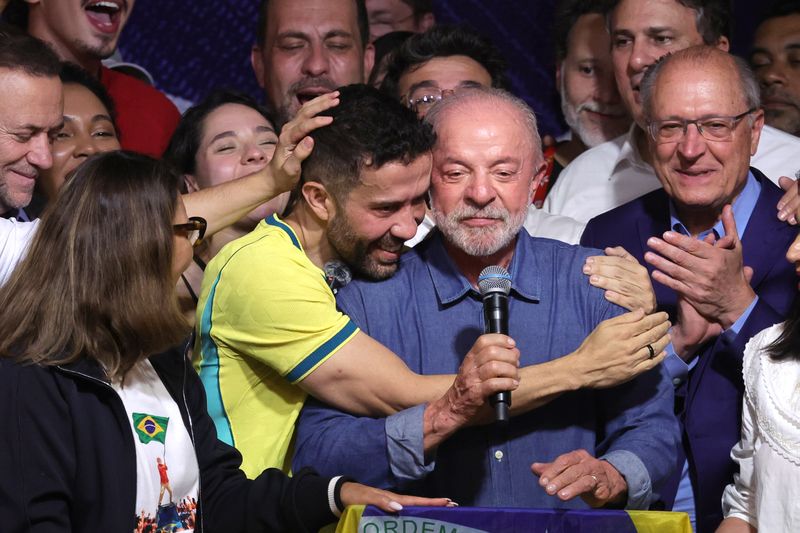
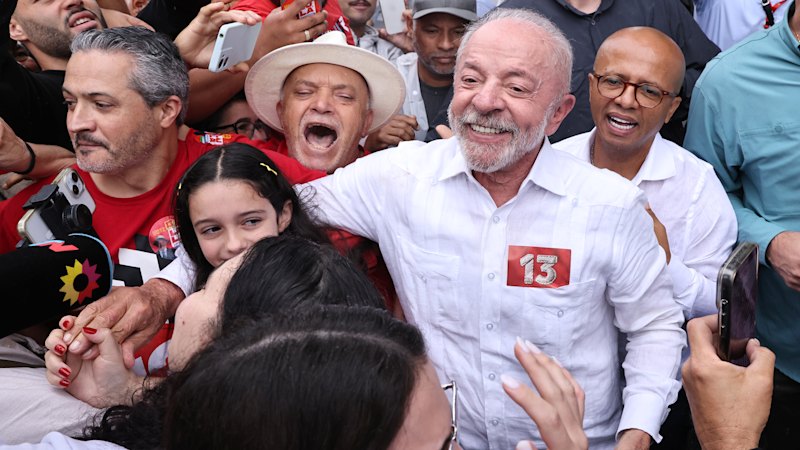
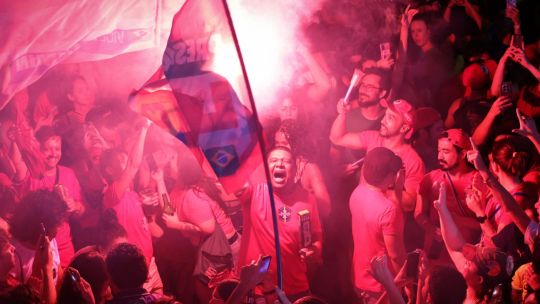
In a significant political development, Luiz Inácio Lula da Silva, commonly known as Lula, has been elected President of Brazil for a remarkable fourth time. The 80-year-old leader, representing the Workers' Party, triumphed over Flávio Bolsonaro in a fiercely contested runoff election, further solidifying his position as one of Brazil's most enduring political figures. This victory not only extends Lula's record as the second longest-serving holder of the presidential office, following Getúlio Vargas, but also marks a pivotal moment in the country's political landscape as it shifts back to leftist governance after a period of right-wing leadership.
Lula's return to power comes amid a backdrop of economic challenges and social unrest within Brazil. His campaign focused on addressing inequality, poverty, and environmental issues, particularly in the Amazon rainforest, which has faced increased deforestation under previous administrations. Lula's leadership style and policies are expected to bring a renewed emphasis on social programs and environmental protections, aiming to reverse many of the policies enacted by his predecessor.S1
The election results reflect a deeply polarized electorate, with Lula's victory signaling a desire for change among many Brazilians who have been affected by economic hardship and political corruption scandals. Lula's administration will face the immediate task of uniting a divided nation and restoring public trust in government institutions. As he embarks on this new term, Lula's agenda will likely prioritize economic recovery and social justice initiatives to address the pressing needs of the Brazilian populace.S2