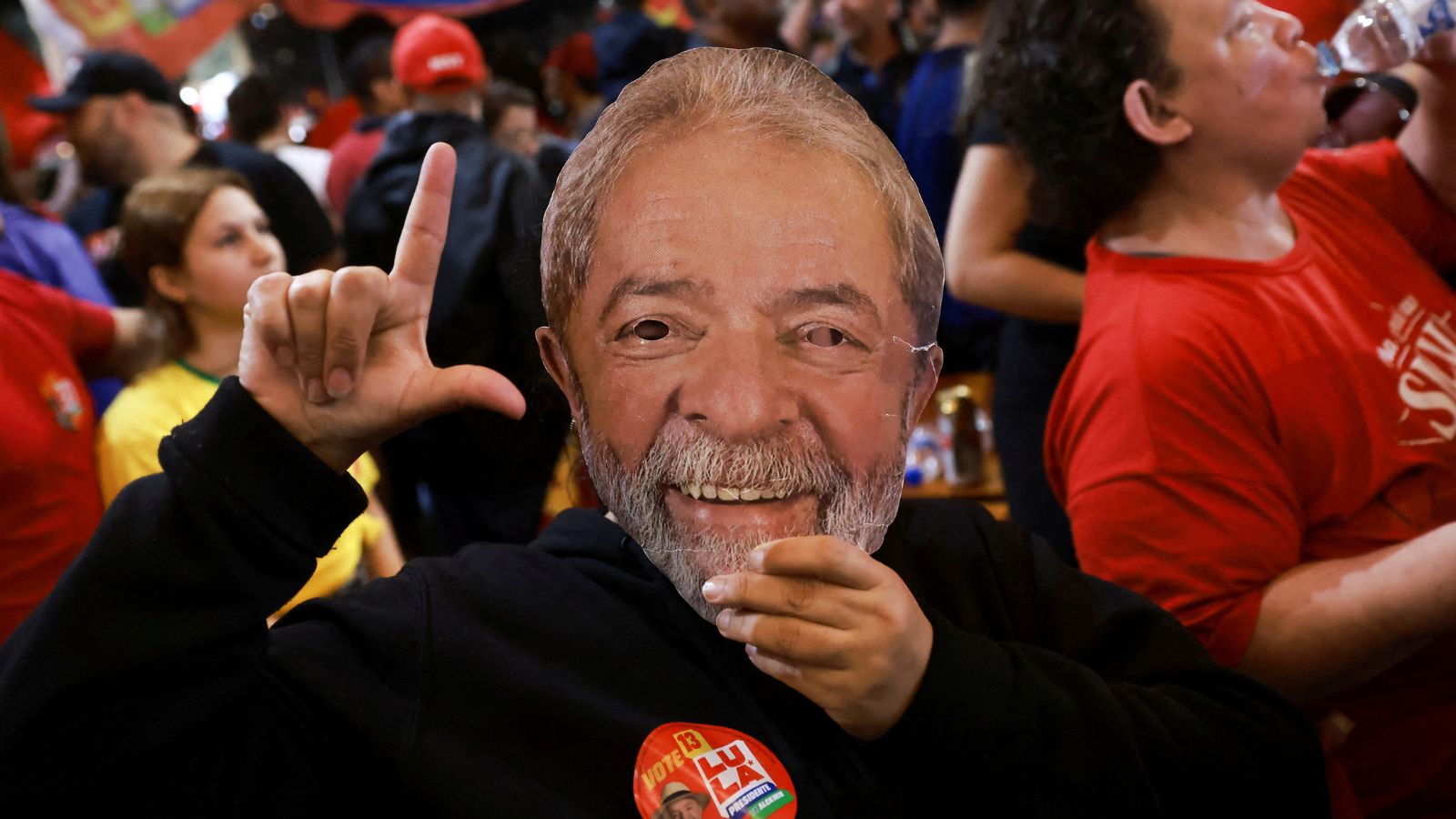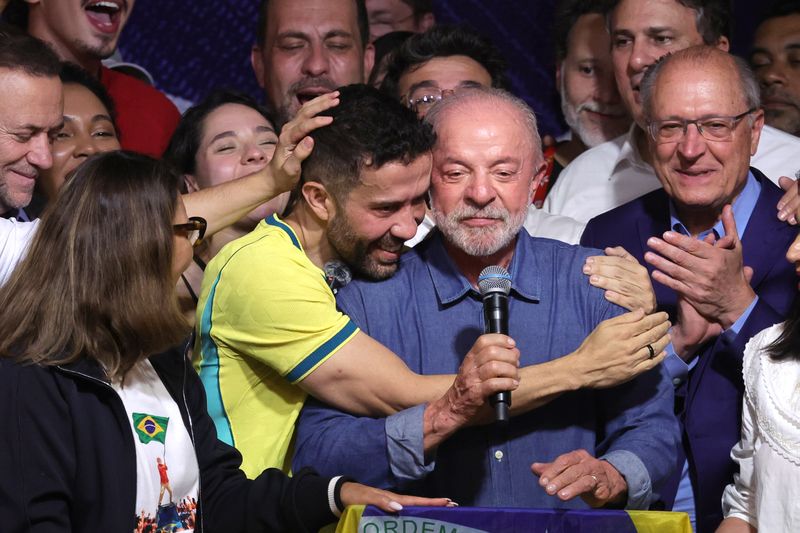
In a remarkable political comeback, Brazilian President Luiz Inácio Lula da Silva has secured an unprecedented fourth term, as announced by the country's electoral court on October 25. This victory is particularly significant as it defies prevailing polls and the global trend of anti-incumbent sentiment, marking a pivotal moment in Brazil's political landscape. Lula's win comes as a surprise to many, especially given the rising tide of right-wing victories across Latin America, which he has now managed to halt with this election.
The 80-year-old Lula, often referred to simply as Lula, demonstrated his enduring appeal by overcoming predictions that he had reached the end of his political journey. His victory in the runoff election not only showcases his resilience but also reflects a broader rejection of the right-wing shift that has characterized recent elections in the region. Lula's return to power is seen as a significant moment for Brazil, given his historical association with the working class and progressive policies.S2
This election result is expected to reshape Brazil's domestic and international policies, particularly as Lula has been a vocal advocate for social justice and environmental issues. His administration is likely to focus on addressing economic inequality and promoting sustainable development, contrasting sharply with the policies of his predecessors. As Lula embarks on this new term, the implications for Brazil's position in Latin America and the world will be closely monitored.S1S2