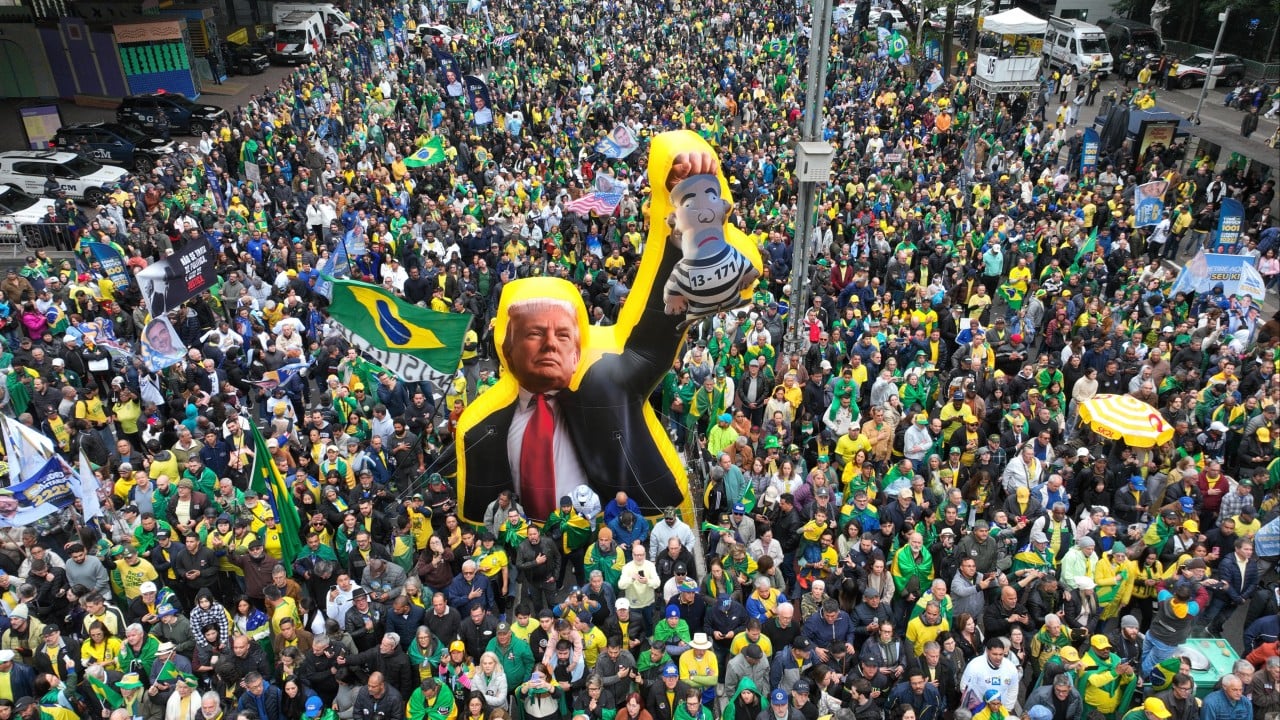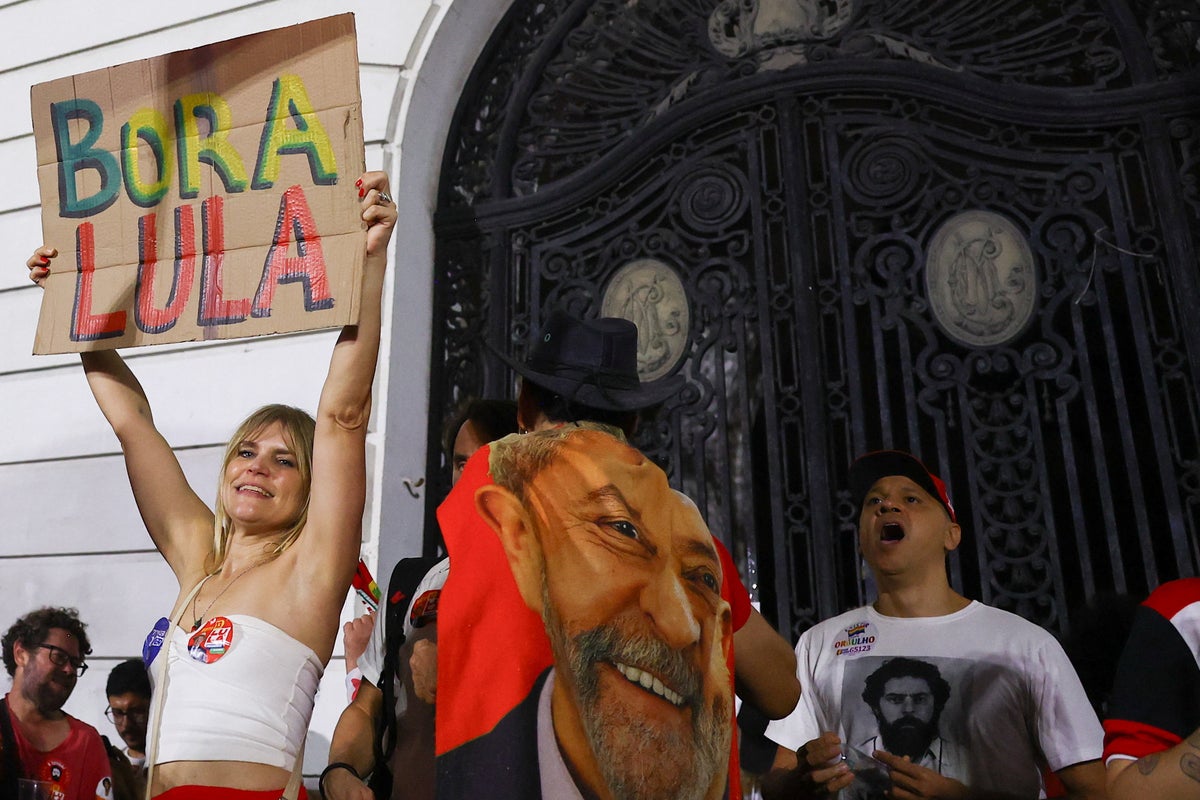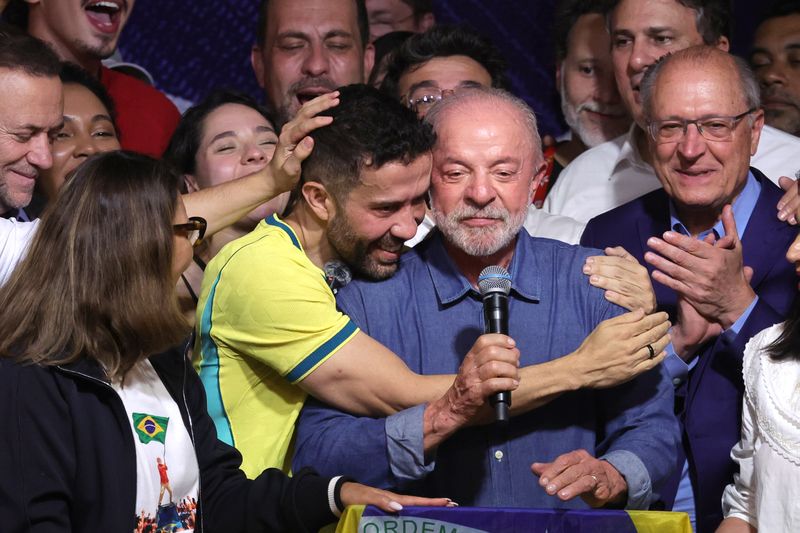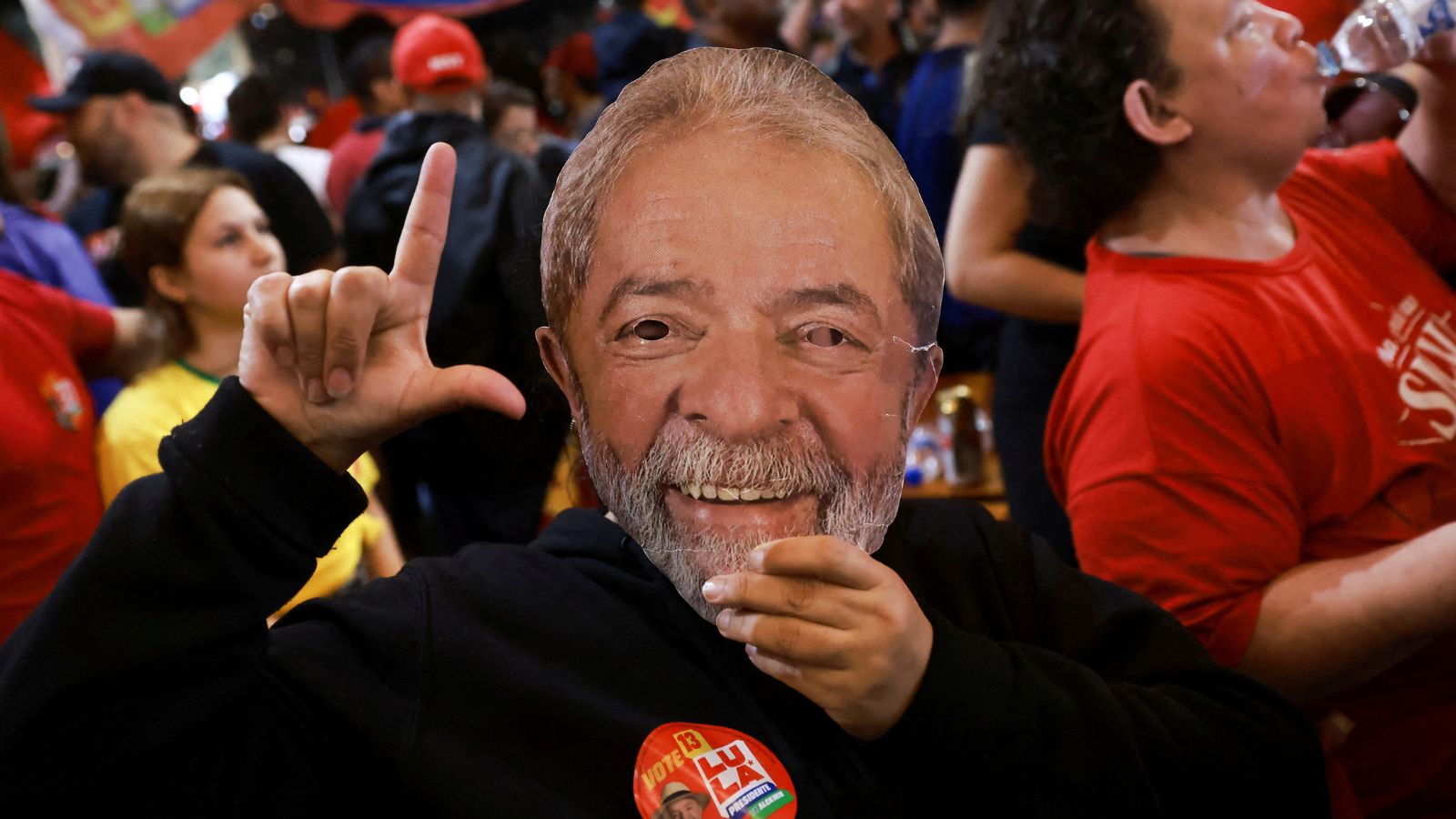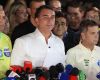
In a significant political shift, Luiz Inácio Lula da Silva has emerged victorious in Brazil's presidential election, defeating incumbent President Jair Bolsonaro's son, Flávio Bolsonaro, by nearly 4.4 million votes. Lula's triumph marks a departure from a regional trend favoring right-of-center candidates and suggests that Brazil will continue to resist pressures from the Trump administration, particularly regarding trade tariffs, as it re-establishes its leftist governance under Lula's leadership.
Despite the clear electoral outcome, Flávio Bolsonaro has publicly rejected the results, claiming that the election was marred by irregularities, particularly citing a chaotic delay in polling times ordered by a Supreme Court justice. Flávio Bolsonaro announced plans to contest the election results through legal means, stating, "It is impossible to recognize the election results… we will use our legal team, we will request the annulment of these elections." This rejection of the election outcome raises questions about the political stability in Brazil following the election.S2
The political landscape in Brazil is now poised for a contentious period as Lula prepares to take office, while Flávio Bolsonaro's refusal to concede could lead to further legal battles and political unrest. Lula's election is expected to bring significant policy shifts, particularly in economic relations with the United States and other countries, as he aims to implement his agenda against the backdrop of ongoing tensions with Bolsonaro's faction.S1S2