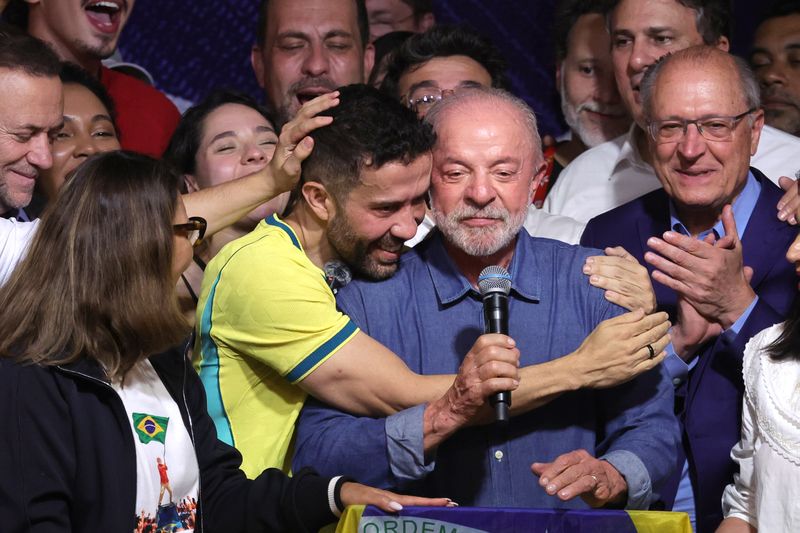
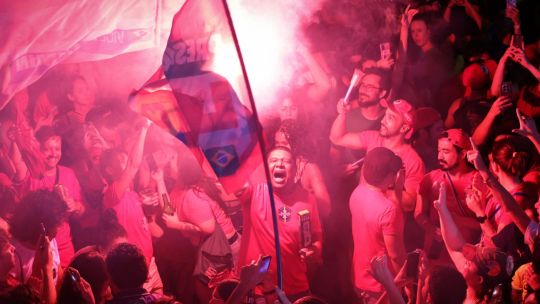
Luiz Inácio Lula da Silva has made a remarkable return to power in Brazil, winning the presidential election against Jair Bolsonaro. This victory marks Lula's fourth term as president, a significant achievement considering he had previously lost to Bolsonaro in the first round of voting earlier this year. The election results have sparked challenges from Bolsonaro, who is contesting the legitimacy of the outcome, raising questions about the stability of Brazil's democracy.
Lula's comeback is particularly notable given the political landscape in Brazil, where he managed to overturn his initial defeat in the first round of the election. His campaign focused on social issues and economic recovery, resonating with voters who felt the impact of Bolsonaro's policies during his presidency. Lula's ability to mobilize support from various sectors of society played a crucial role in his electoral success, as he garnered a significant portion of the votes in the runoff election.S2
Despite Lula's victory, the challenges posed by Bolsonaro's camp indicate a potentially tumultuous transition period. Bolsonaro's refusal to accept the election results has raised concerns about political unrest and the future of democratic governance in Brazil. As Lula prepares to take office, he faces the dual challenge of unifying a divided nation while addressing the pressing economic and social issues that have plagued Brazil in recent years.S1S2