The brief
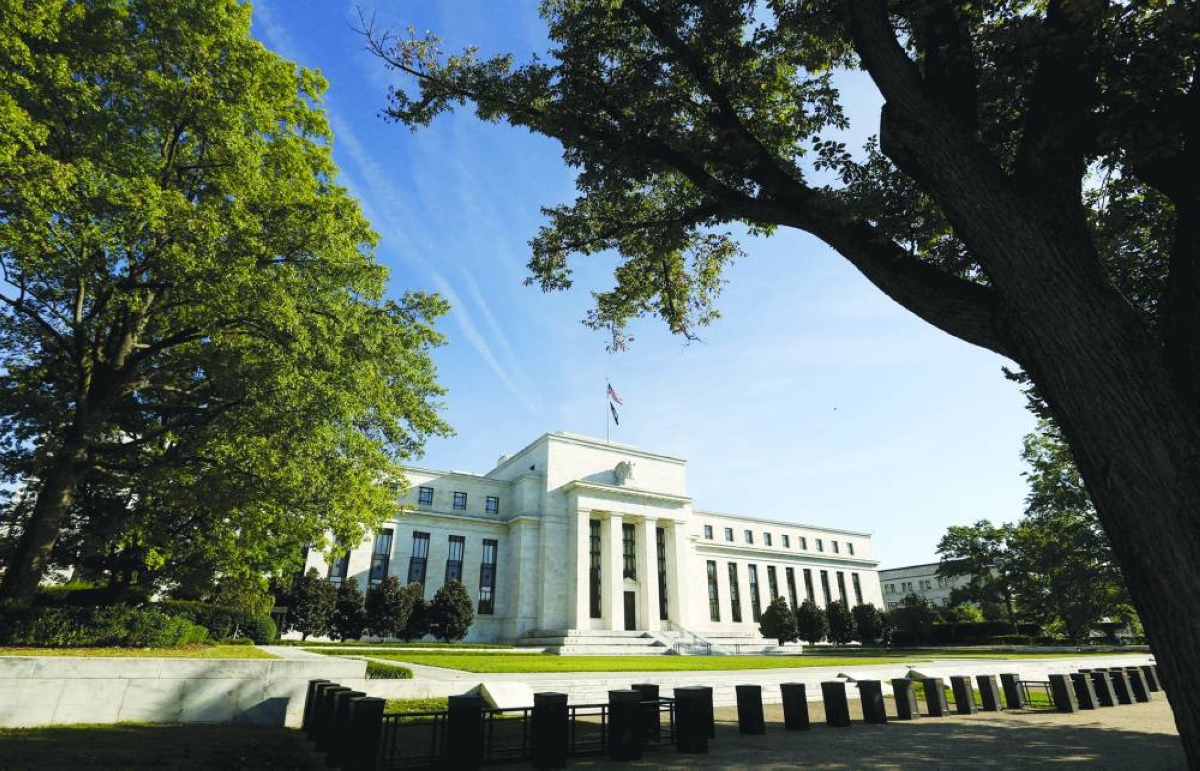
Recent data indicates that US inflation has reached a three-year high, coinciding with an increase in consumer spending, despite rising prices.
Context
The US Federal Reserve's preferred inflation measure has been significantly impacted by external factors, including elevated energy prices linked to geopolitical tensions.S1S2
Key points
- The US Federal Reserve's preferred inflation gauge hit a three-year high in May.S1
- Consumer spending in the US accelerated in May, despite rising inflation.S2
- Elevated energy prices are attributed to geopolitical tensions, particularly the Iran war.S1
- The increase in consumer spending suggests resilience among Americans amid economic challenges.S2
- Rob Sockin, Chief US Economist at PGIM Credit, commented on the implications of the PCE data.S2
- The inflation rise poses a significant challenge for the Republican Party ahead of upcoming elections.S1
- The current economic climate reflects a complex interplay between consumer behavior and inflationary pressures.S2
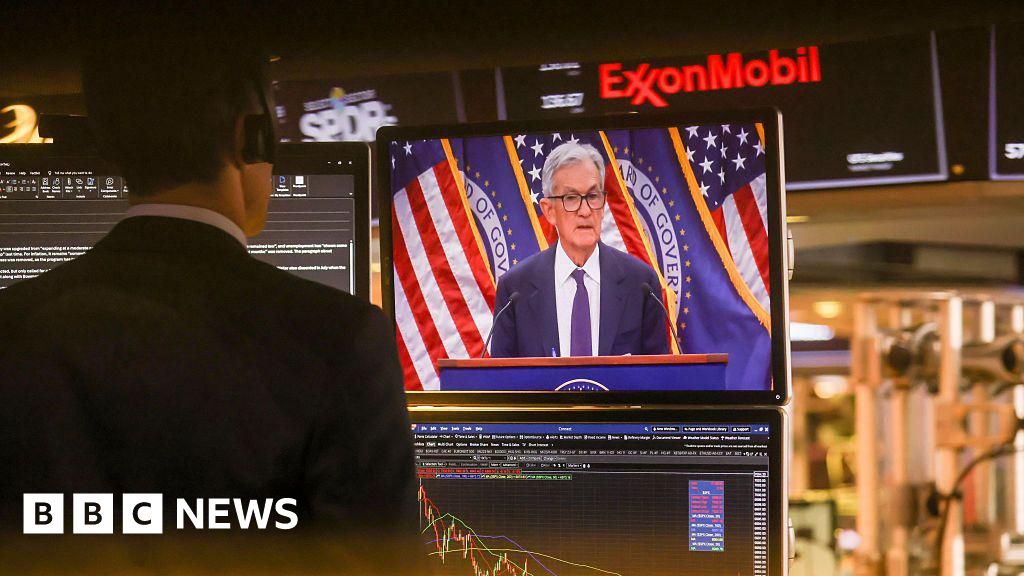
- Market analysts are closely monitoring how the Federal Reserve will respond to these inflation trends.S1S2
Why it matters
- The resilience in consumer spending may influence future Federal Reserve decisions on interest rates.S2
What to watch
- Monitor upcoming Federal Reserve meetings for potential policy changes in response to inflation data.S1
- Watch for further developments in geopolitical tensions that may impact energy prices and inflation.S1





/file/attachments/2998/14341149_774243.jpg)