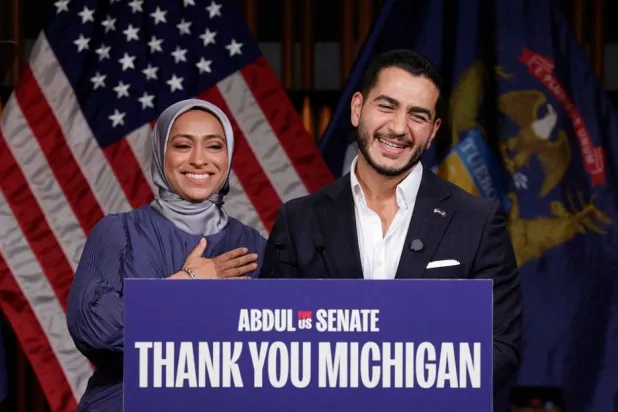
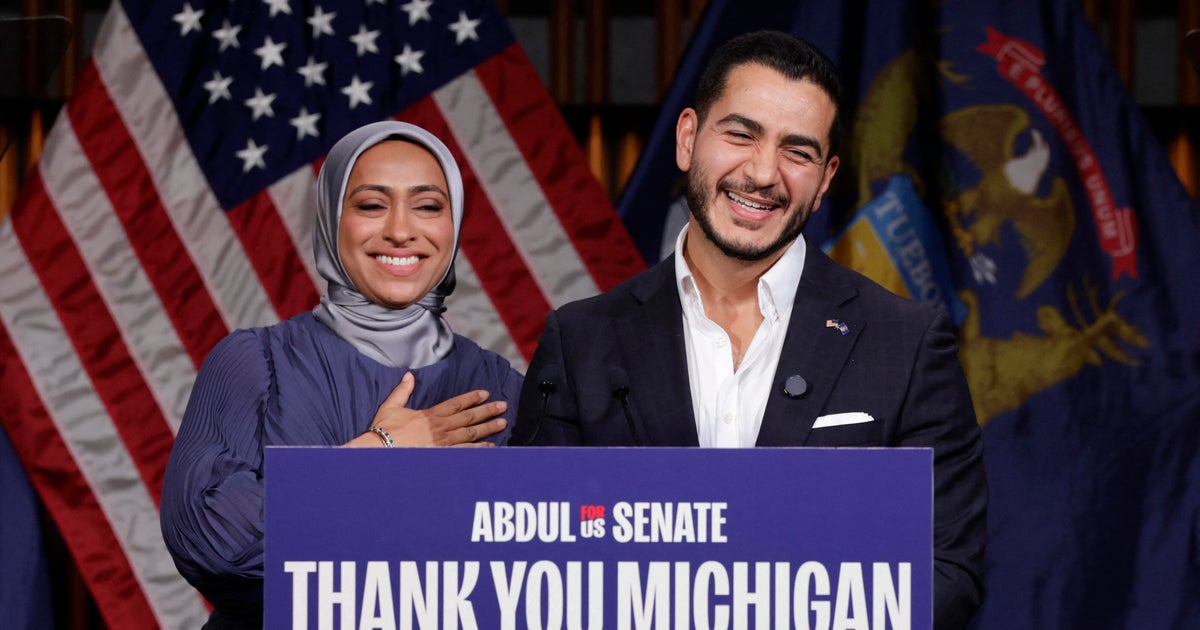
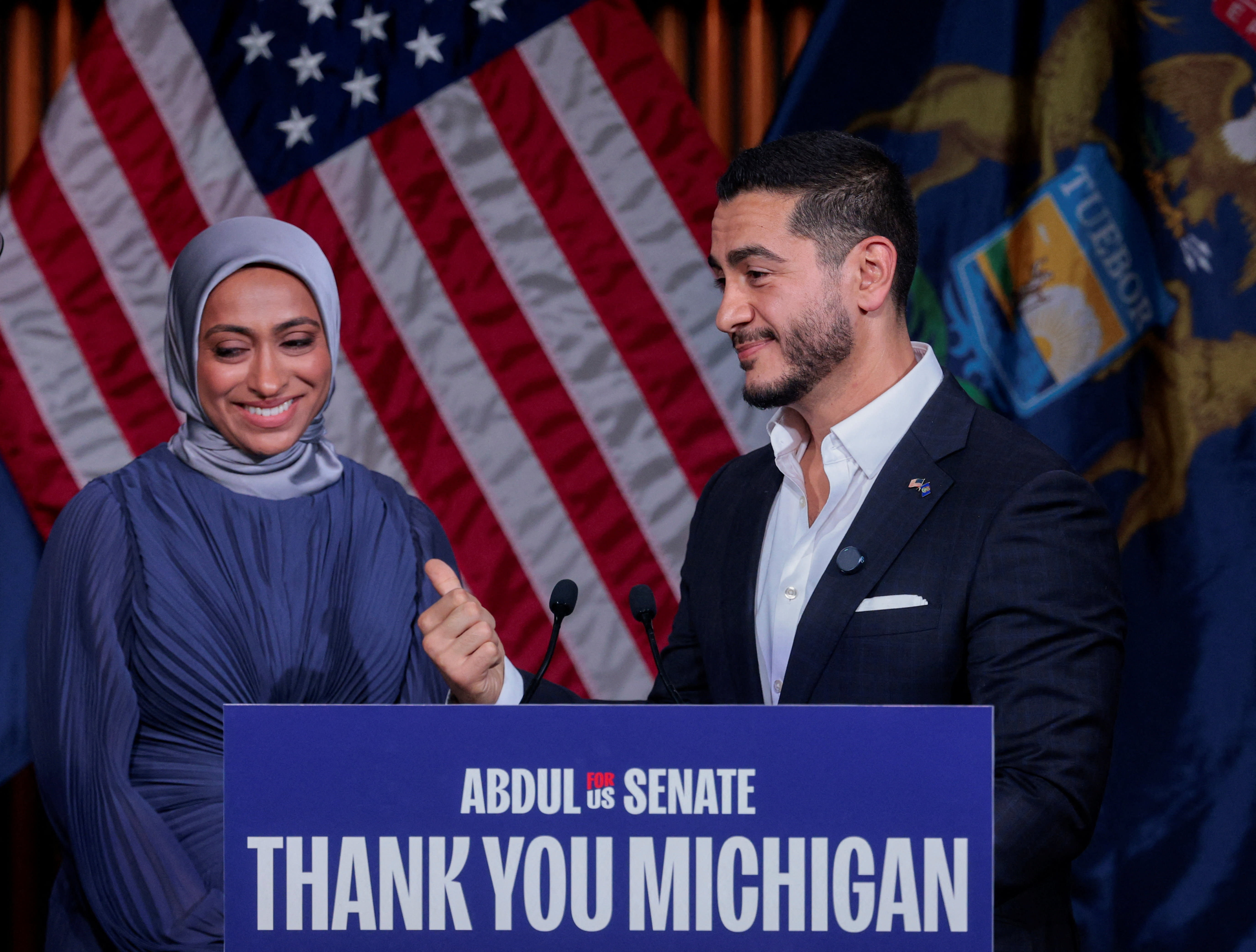
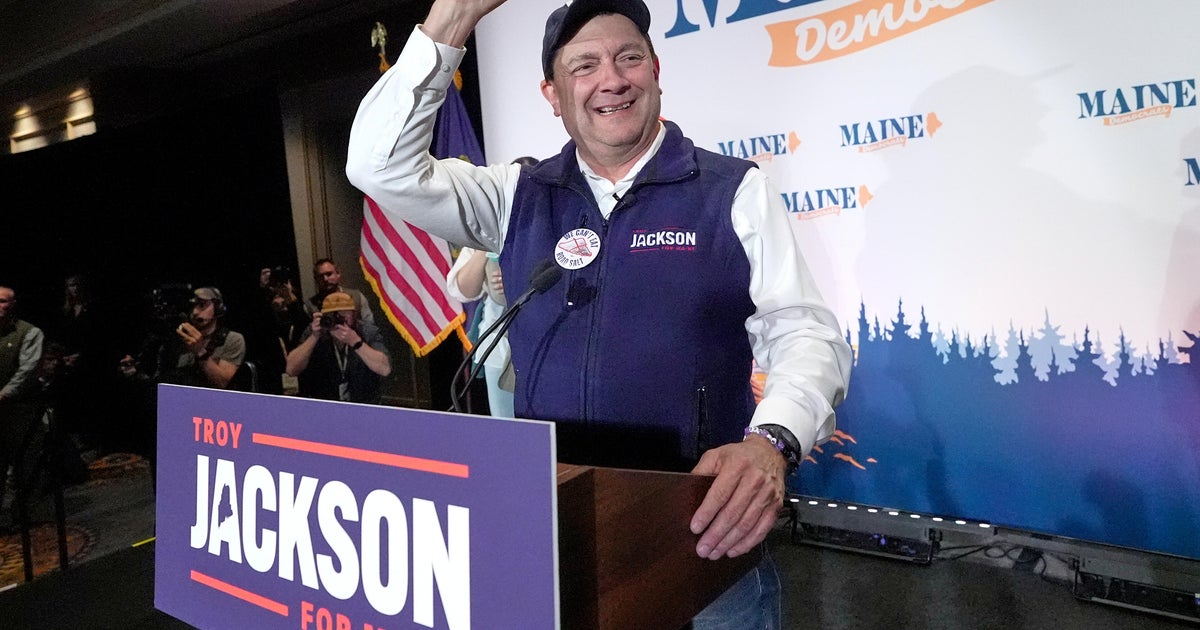
In a significant political shift, the Democrats have gained control of both chambers of the US Congress following a midterm election landslide. This outcome is seen as a direct rejection of President Donald Trump's administration, which has faced increasing voter discontent over economic issues and the ongoing war in Iran. The Democrats' victory not only solidifies their legislative power but also enhances their ability to conduct investigations and manage funding more effectively, impacting various domestic and international policies.
The implications of this political change extend beyond US borders, particularly affecting India. With the Democrats in control, there is potential for a reevaluation of US-India relations, especially in areas such as trade, defense, and climate change. The Democratic leadership's stance on these issues may differ from that of the previous administration, potentially leading to new opportunities and challenges for India as it navigates its relationship with the United States in this new political landscape.S1
As the Democrats prepare to take office, key legislative agendas will likely be prioritized, including those that could influence economic ties with India. The upcoming sessions in Congress will be crucial as both parties outline their strategies and positions, which could reshape the dynamics of US-India cooperation in various sectors. Observers are keenly watching how these developments unfold and what they mean for bilateral relations moving forward.S2