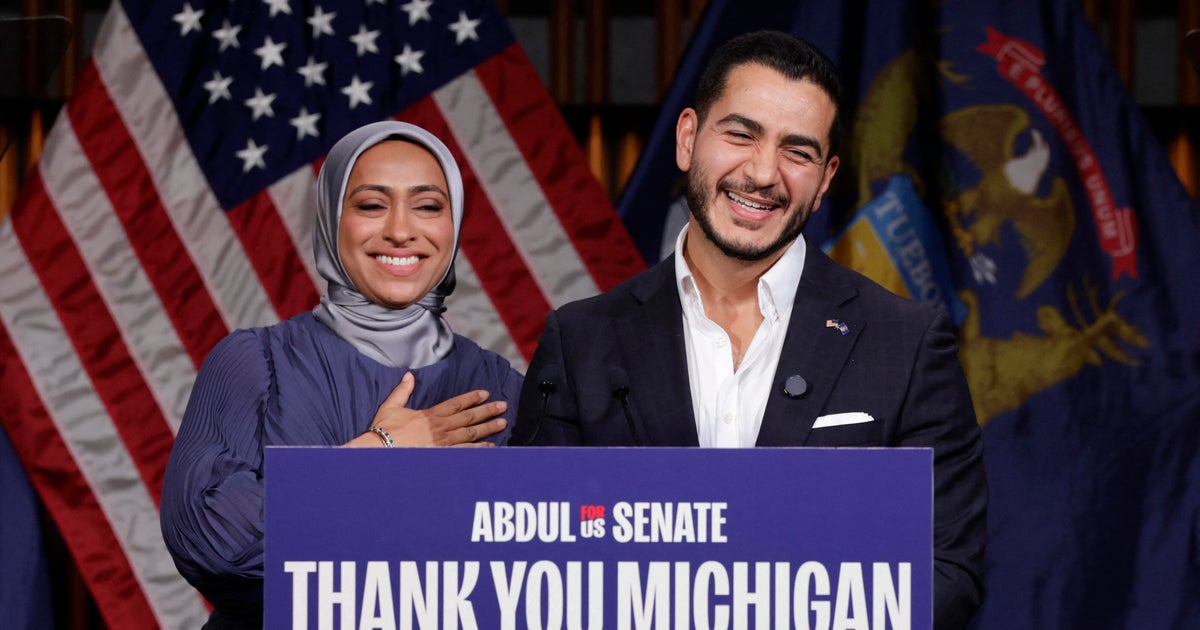
In a significant political shift, the Democrats have gained control of the US Senate following the midterm elections, marking a notable defeat for Donald Trump and his Republican party. The election results revealed that Democrats successfully flipped several key seats in traditionally Republican strongholds, including Texas, Iowa, Kansas, North Carolina, South Carolina, and Ohio. This outcome not only reflects a rejection of Trump's agenda but also positions the Democrats favorably in Congress as they navigate the next legislative session.
As the polls closed across the nation, the results from Alaska confirmed the Democrats' narrow lead, solidifying their hold on the Senate. The elections were seen as a referendum on Trump’s influence within the party, with many analysts interpreting the results as a clear message from voters dissatisfied with his policies and leadership. In response to the disappointing results for Republicans, Trump took to social media to express his frustration, branding himself a 'lame duck' in the wake of the electoral losses.S1
The Democrats' success in the midterms not only enhances their legislative power but also raises questions about Trump's future role in the Republican party. With the Democrats now controlling the Senate, they are poised to advance their policy priorities, while Trump faces a challenging political landscape as he contemplates his next moves. The implications of these election results will likely reverberate through the party as it prepares for future contests, including the upcoming presidential election.S2