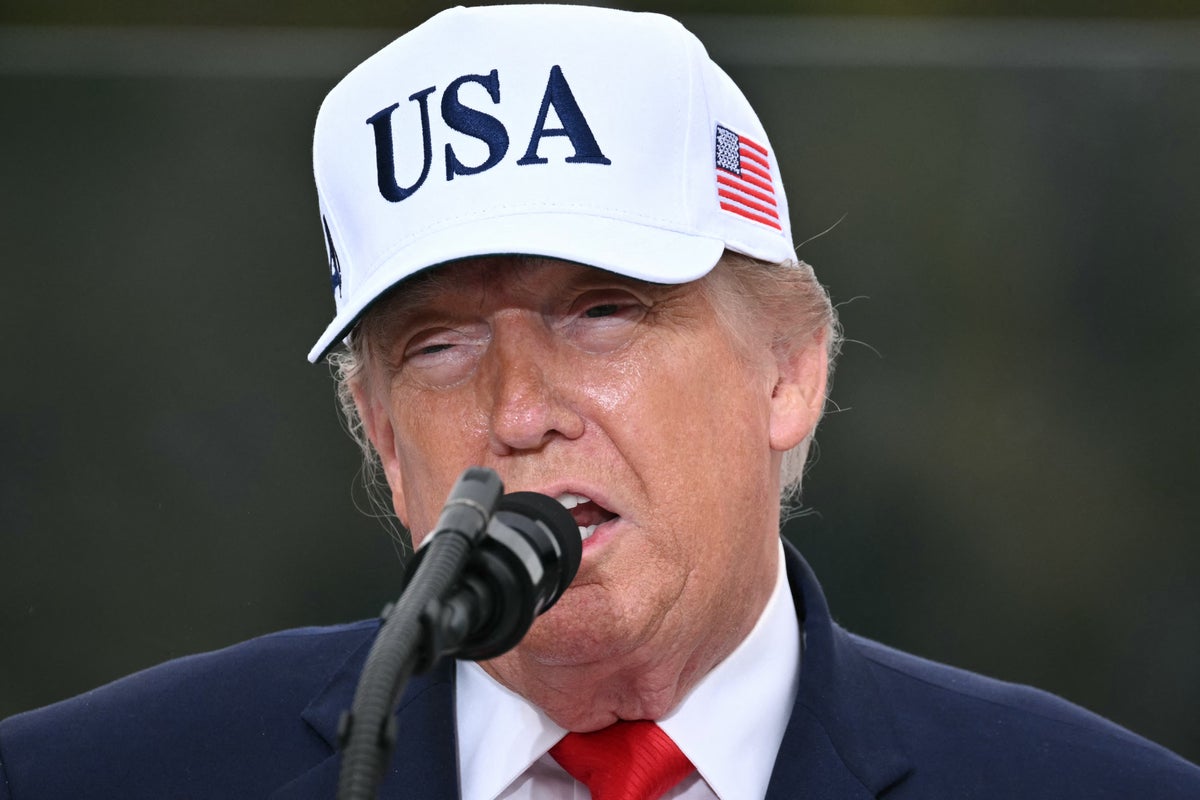
In a stunning turn of events during the midterm elections, Democrats have successfully flipped both the House of Representatives and the Senate, marking a significant defeat for President Donald Trump. As counting continues, the Democratic Party has secured a projected 51 seats in the Senate, effectively taking control from the Republicans, who have long held dominance in this chamber. This outcome is being described as a major blow to Trump, who had campaigned vigorously in the weeks leading up to the election, holding rallies in an effort to galvanize his base and stave off losses.
The results reflect a nationwide wave that swept through traditionally Republican strongholds, indicating a shift in voter sentiment. Despite Trump's assertions that he would have won 'in a landslide' under different circumstances, the election results suggest a decisive rejection of his leadership by the electorate. Trump's reaction to the Democratic victories was one of reluctant acknowledgment, as he congratulated the Democrats while downplaying the significance of the outcome, insisting it did not reflect a repudiation of his presidency.S2S4
As the dust settles from the election, analysts are examining the implications of this Democratic control over Congress. With both chambers now in Democratic hands, the party is poised to influence legislation significantly, potentially altering the political landscape in the United States. This shift could impact various policies, including healthcare, climate change, and economic reforms, as Democrats look to capitalize on their newfound power following a period of intense political division and campaigning.S3S5