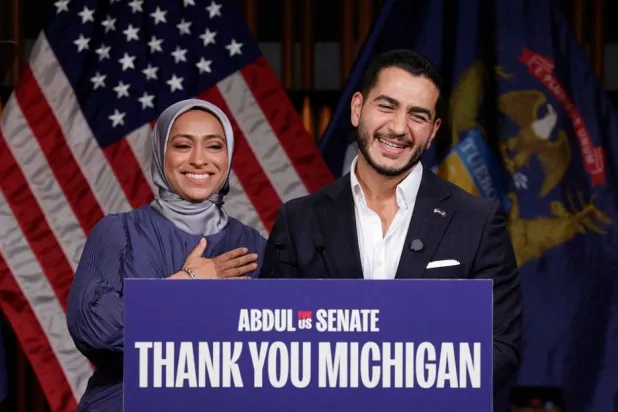
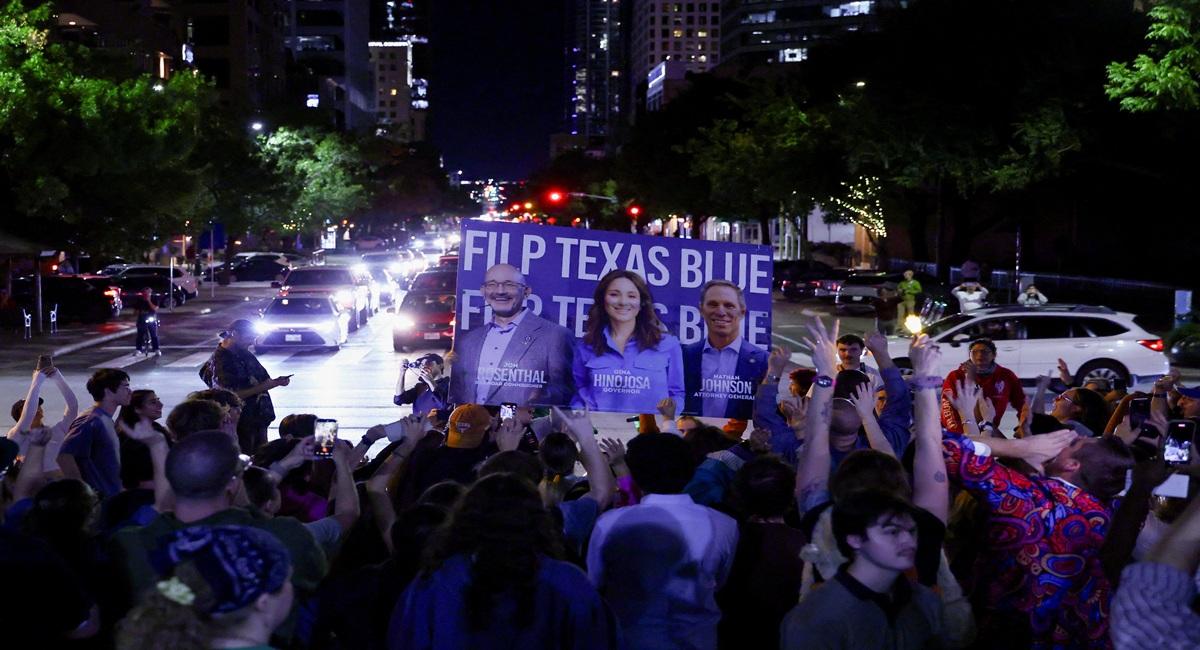
Following the Democratic sweep of the US midterm elections, Donald Trump finds himself in a position of diminished power, often referred to as a "lame-duck president." This shift has led to speculation about how he will wield his remaining influence over the next two years. Trump has surprisingly adopted a conciliatory tone in recent statements, raising questions about whether this approach will persist or if he will revert to his more combative style, which has characterized much of his presidency. Peter Loge, director of the Project on Ethics in Political Communication at George Washington University, noted that Trump has historically responded to pressure with increased aggression, suggesting that a cornered Trump could lead to significant political upheaval.
The implications of Trump's potential actions are significant, especially regarding foreign policy. His administration could resume military operations against Iran or veto key Democratic legislation, further polarizing the political landscape. Analysts are concerned that Trump's unpredictability could lead to escalated tensions both domestically and internationally. As he navigates this period, the question remains: how far will he go to assert his agenda, and what impact will that have on the already fractured political climate?S2
As the midterms have reshaped the balance of power in Washington, Trump's ability to influence legislation and foreign policy will be closely monitored. The next steps he takes could either stabilize his party's position or lead to further divisions. With a volatile figure like Trump at the helm, the political landscape remains precarious, and the consequences of his decisions could reverberate long after he leaves office.S1S2