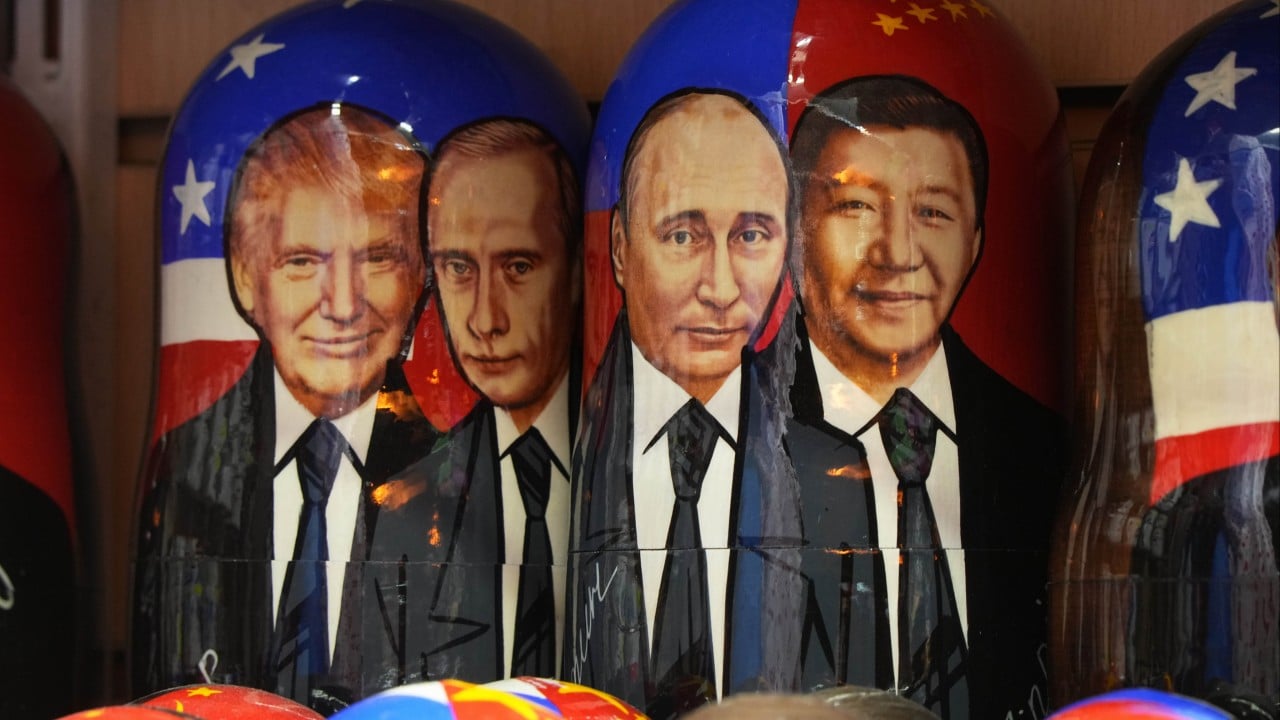
As the world anticipates a potential summit between Presidents Xi Jinping, Donald Trump, and Vladimir Putin at the APEC summit in Shenzhen on November 18-19, concerns are mounting that the meeting could echo the historic Yalta Conference of 1945. This gathering of three powerful leaders has sparked fears of a modern-day division of global influence, with little regard for the implications for Ukraine, Europe, and Taiwan. Analysts suggest that, apart from offering a historic photo opportunity, the summit is unlikely to yield significant outcomes, given the divergent interests of the parties involved.
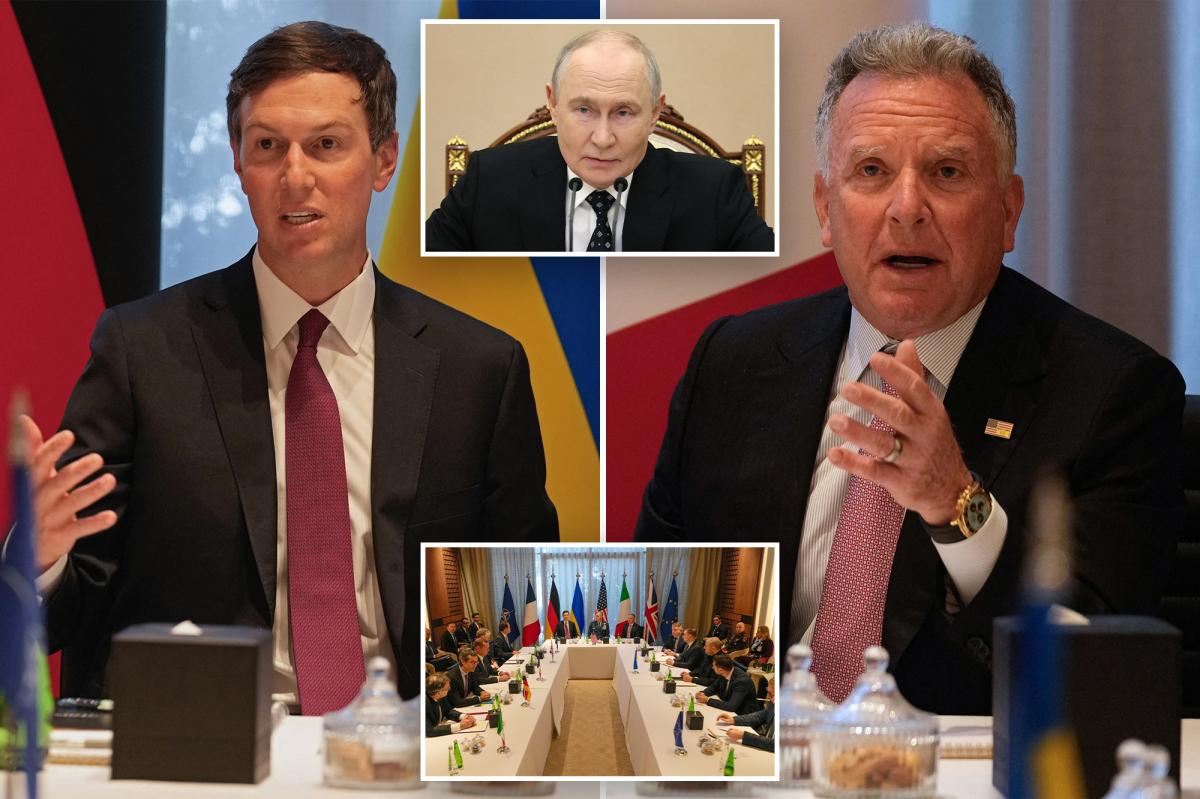
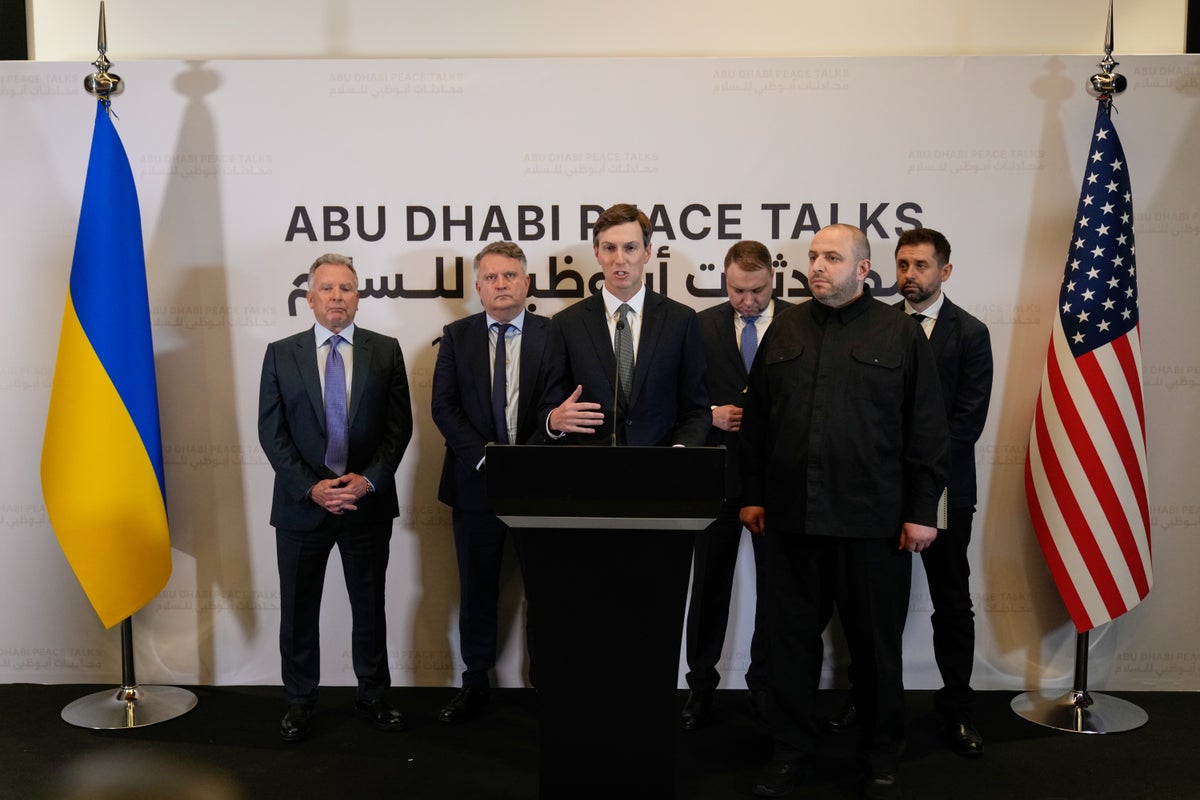
The original Yalta Conference, held in February 1945, established the post-World War II order and territorial boundaries in Europe, laying the groundwork for Soviet dominance in Eastern Europe. In a similar vein, Ukrainian President Volodymyr Zelensky has voiced alarm that the upcoming summit could represent a 'redistribution of spheres of influence' in the 21st century. Recent discussions in Abu Dhabi, the first since February, revealed Russian negotiators pushing for a reevaluation of Europe's security architecture as part of any peace agreement, raising further concerns among Ukraine and its European allies.S1S2
The trilateral summit format has raised eyebrows, as it suggests that a few great powers might dictate the security and future of other nations without their input. Tsiporah Fried from the Hudson Institute remarked that this arrangement sends a clear message about which interests are negotiable and which nations are considered significant in these discussions. However, the likelihood of establishing a new world order in Shenzhen appears slim, as the agenda remains contentious. Russia has proposed focusing on the Ukraine conflict, while Trump is advocating for discussions on nuclear weapons and the Iran war, leaving China silent on both fronts.S1S2
Wang Wen, dean of the Chongyang Institute for Financial Studies at Renmin University, noted that the three leaders have vastly different demands, complicating the management of expectations for the summit. He cautioned that there is a high probability the talks could conclude without any breakthroughs. Furthermore, the primary points of contention between Beijing and Washington include trade and the race for AI technology, which further complicates any potential consensus among the leaders. Xi has also expressed irritation at the suggestion that Europe should not be included in discussions regarding Ukraine, emphasizing that it is a European conflict that necessitates European involvement, as noted by German President Frank-Walter Steinmeier.S1S2