SpaceX's Starship spacecraft was reported as "healthy" as it orbited the Earth and was on track to return on Saturday to its Texas launch site, where Elon Musk's company had planned to attempt a first-ever catch of the vehicle. The flight was the 15th test of the world's largest and most powerful rocket system and had originally been meant to feature a groundbreaking twin capture of both the Super Heavy booster and the Starship.
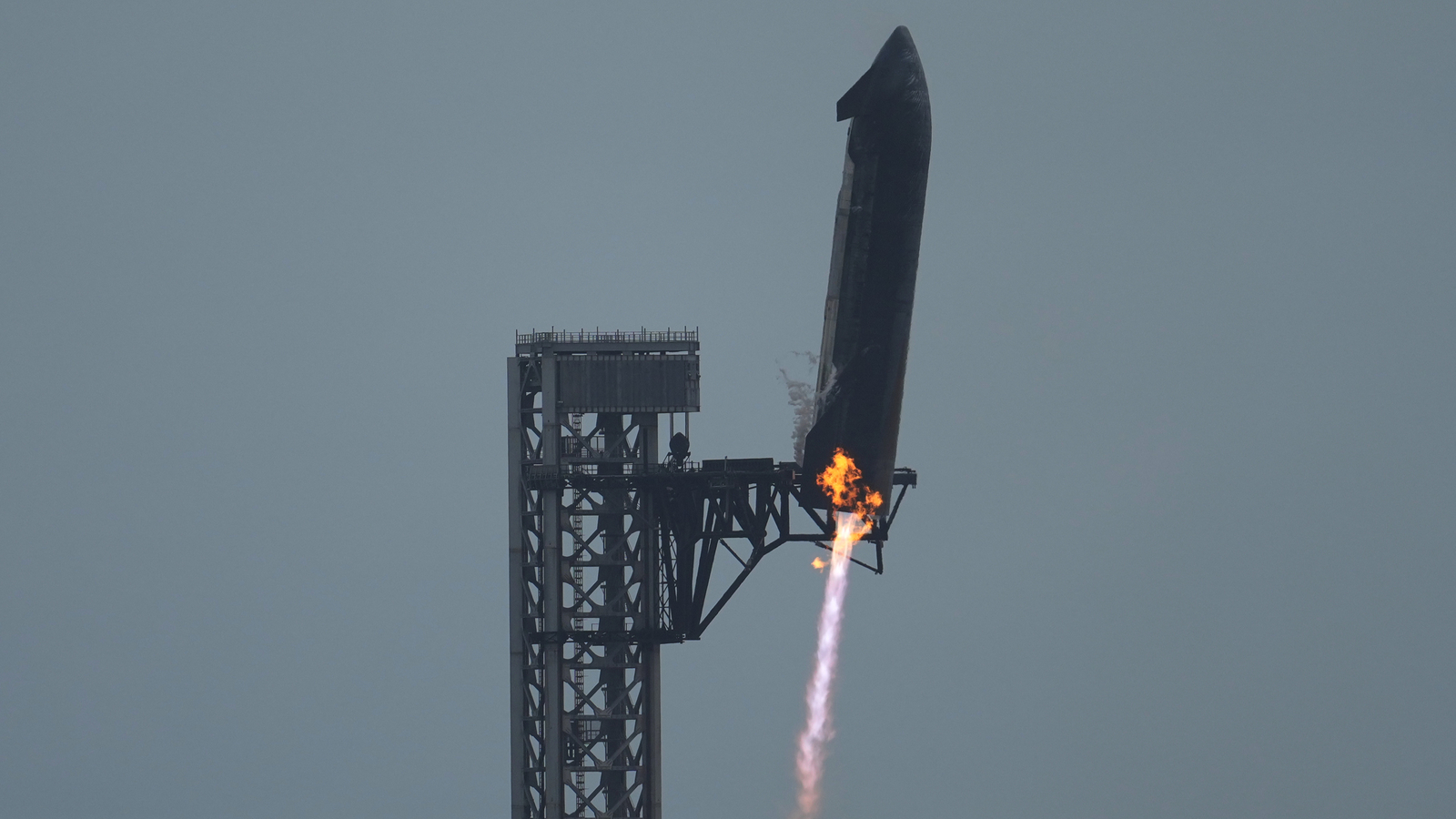
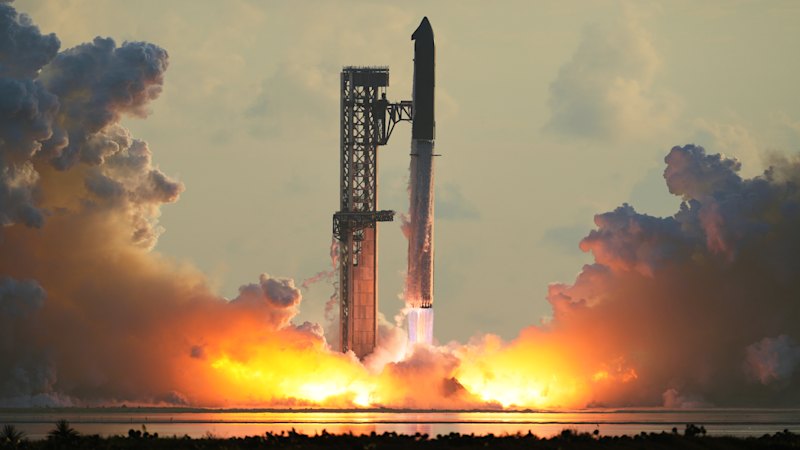
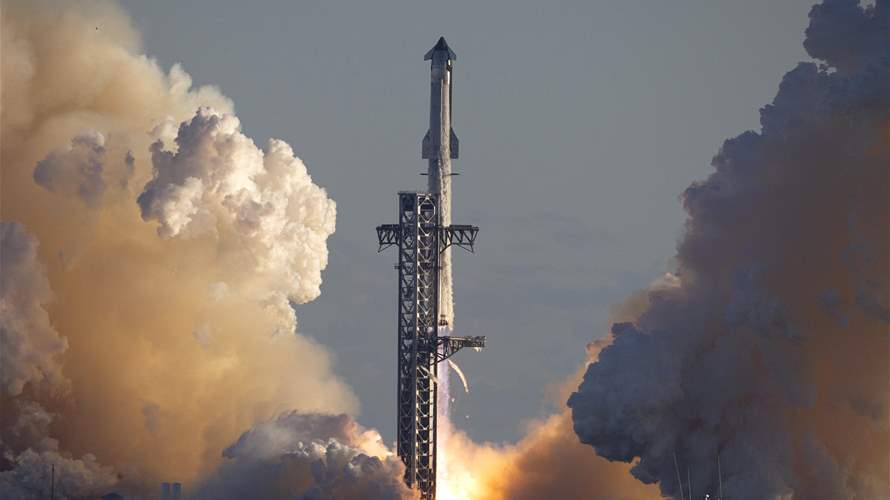
That milestone slipped out of reach minutes after the 124-meter (407-foot) rocket lifted off on Friday afternoon from its launch pad at Starbase. After the midair separation of the two stages, the Super Heavy booster was initially set for capture at Launch Pad 2, SpaceX spokesman Dan Huot said. Near the end of its descent, however, the booster aborted itself because of a guidance, navigation and control issue it detected, diverting to the Gulf of Mexico just off the launch site, where it self-destructed automatically before reaching the water.S2
Meanwhile, the Starship spacecraft was orbiting the Earth, a loop it was expected to complete 14 times before returning on Saturday. SpaceX said about seven hours after the mission began that "Starship and its heat shield are healthy," and Huot said no issues were being tracked with the vehicle or the range for the return. Starship also launched 26 satellites on Friday to join others in Musk's Starlink internet constellation.S1S2
Aerospace expert Clayton Swope of the Center for Strategic and International Studies called the mission a "mixed bag so far" after the failure to catch the Super Heavy, a feat SpaceX has accomplished three times previously. "At least the Starship made it to orbit, like on the last test flight," he said. Some Starship versions are designed to launch internet satellites and data centers into orbit, while others are intended to ferry people to the Moon and Mars.S2
NASA is counting on Starship to serve as a lunar lander for its Artemis mission, and administrator Jared Isaacman congratulated SpaceX on Friday for "another spectacular launch" without mentioning the booster disappointment. SpaceX plans to return Starship to Earth after more than 22 hours of flight and recover it at around 3:20 p.m. (2120 GMT) on Saturday. The catch is considered extraordinarily complex because the spaceship will fall much faster and from a much higher altitude than the booster; like the three previous Super Heavy recoveries, it is meant to make a controlled descent and nestle between two mechanical "chopstick arms" at the launch site.S1S2