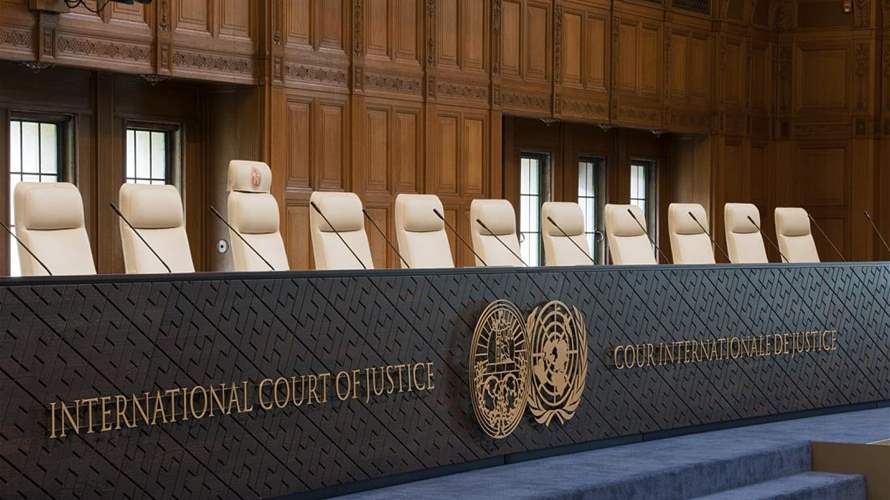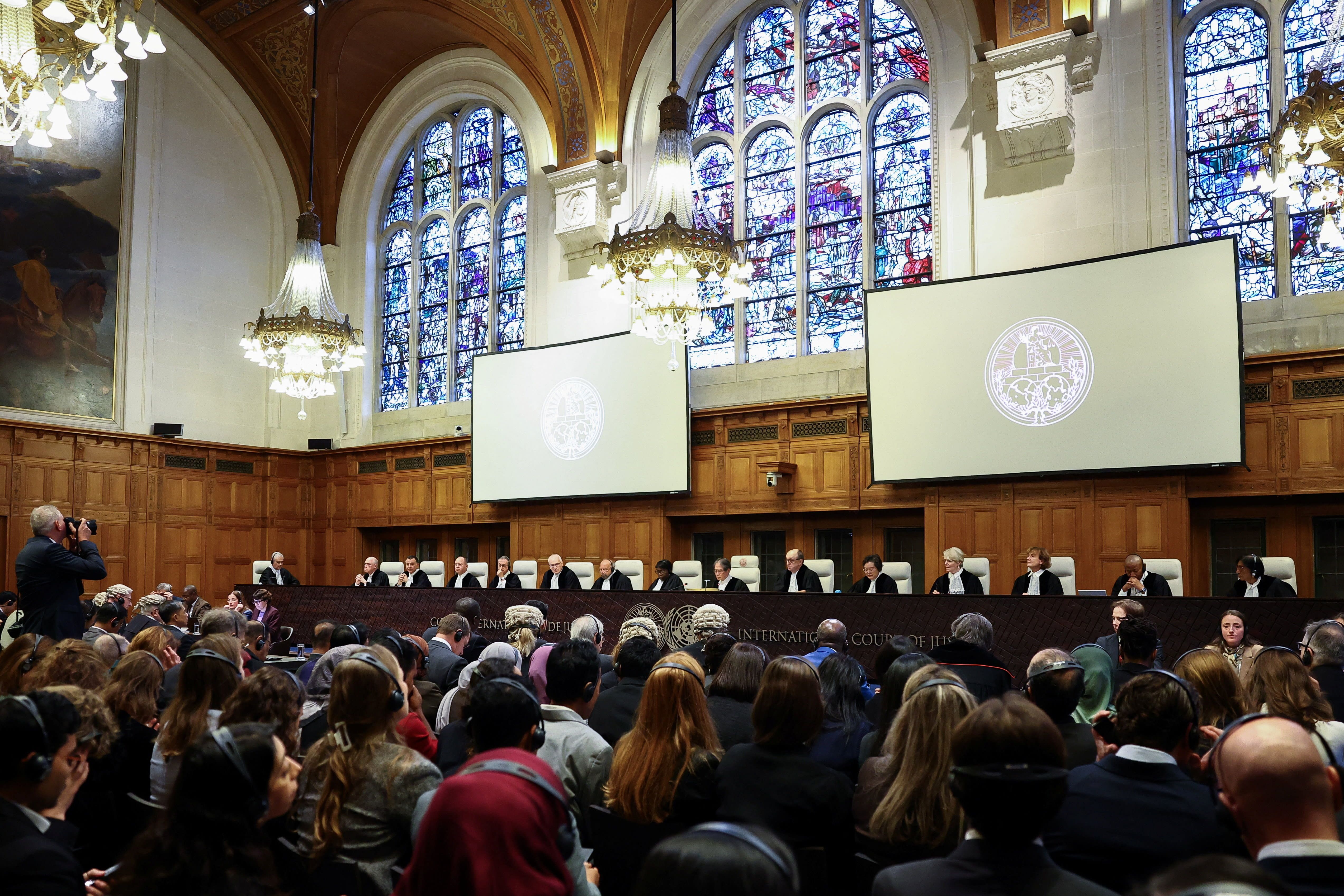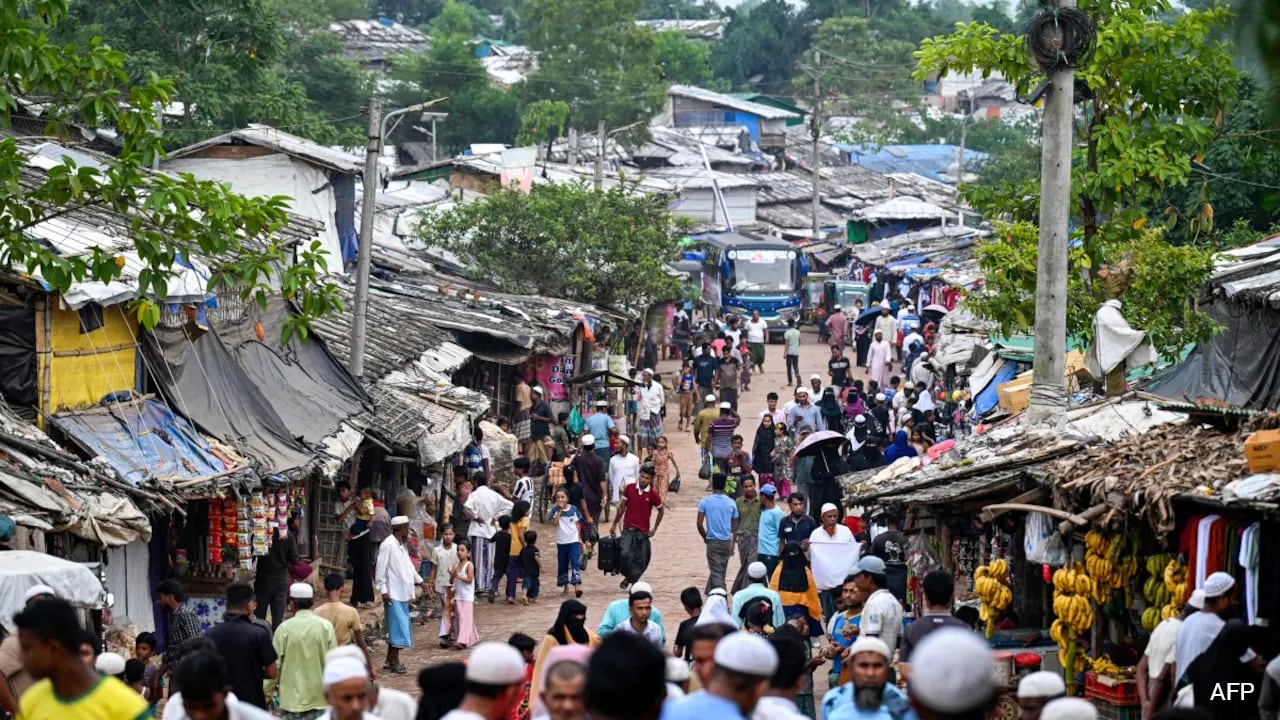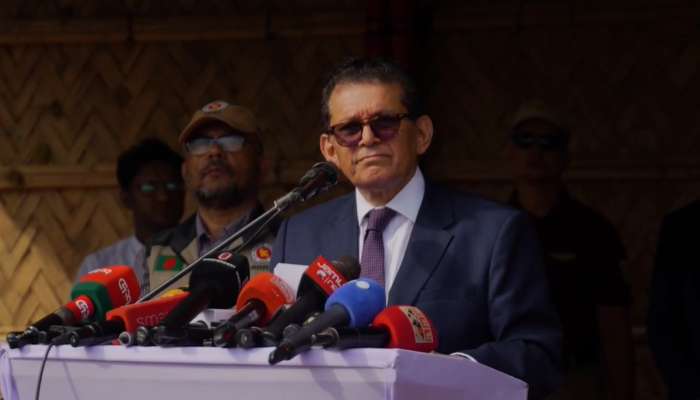
One day after the International Court of Justice ruled for the first time in its history that a state committed genocide, United Nations General Assembly President Khalilur Rahman travelled to the Rohingya refugee settlements in Cox's Bazar, Bangladesh, on Friday, declaring that "the road to home began" for the displaced minority and demanding that Myanmar comply with the binding verdict. The ICJ found that Myanmar committed genocide against the Rohingya group in northern Rakhine State during the military's 2017 "clearance operations", holding the country responsible for violating its obligations under the UN Genocide Convention.
Speaking directly to refugees in Ukhiya, Rahman, who previously served as Bangladesh's High Representative on the Rohingya issue, said he chose to stand inside the camps rather than address the crisis from UN headquarters. "I did not want to speak to you about you from New York. I wanted to come here, in the camp, and stand with you at this historic moment," he said.S1S2
In the Thursday judgment in the case brought by The Gambia, the court found that Myanmar's security forces caused injuries resulting from shooting, knife wounds and burning, and that widespread acts of rape, including gang and mass rape, along with other forms of sexual violence, resulted in serious physical harm. Rahman told the gathering that the court recognised the Rohingya as a distinct ethnic group whose ties to Myanmar go back generations, adding that "truth is where justice begins."S1S2
Rahman stressed that the verdict is binding and non-appealable, warning Naypyidaw that compliance is not optional. "Throughout the proceedings of the case, Myanmar had every opportunity to make its case and present its evidence," he said.S1S2
Outlining four immediate priorities, Rahman first pressed Myanmar to investigate and prosecute those reasonably suspected of committed acts prohibited under the Genocide Convention and to address shortcomings in its national legislation. Second, he urged Naypyidaw to obey the court's order on repatriation, property restoration and citizenship protections, saying "No one should be sent back to danger."S1S2