🌐 World · English
Current: 🌐 World · English
Global
Language
Thursday 30 July
🌐 World · English
Current: 🌐 World · English
Global
Language

Central Banks Maintain Rates Amid Inflation Concerns

The brief

The Bank of England and the Bank of Japan have both decided to hold interest rates steady, citing inflation risks and economic uncertainties.

Context

The Bank of England's decision comes as it assesses inflation risks, which has led to a sell-off in gilts and increased speculation about future borrowing costs. Meanwhile, the Bank of Japan has also opted to maintain its current rates, highlighting potential risks to growth and inflation stemming from geopolitical tensions.S1S2

Key points

  • The Bank of England has held its interest rates at 3.75%.S1
  • The Monetary Policy Committee's assessment has contributed to a sell-off in gilts.S1
  • Traders are increasing bets on higher borrowing costs following the Bank of England's assessment.S1
  • The Bank of Japan has also decided to keep its rates unchanged.S2
  • The Bank of Japan's decision reflects concerns over growth and inflation risks related to the Iran war.S2
  • Limited new information was provided by the Bank of Japan regarding future rate changes.S2
  • Both central banks are navigating complex economic landscapes influenced by inflation and geopolitical events.S1S2
  • Market reactions indicate heightened sensitivity to central bank signals regarding future rate adjustments.S1

Why it matters

  • Central bank decisions on interest rates directly impact borrowing costs for consumers and businesses.S1S2
  • Inflation concerns can influence economic stability and growth prospects in both the UK and Japan.S1S2
  • Market volatility in response to central bank assessments can affect investor confidence and financial markets.S1

What to watch

  • Monitor upcoming statements from the Bank of England for indications of future rate changes.S1
  • Watch for developments in geopolitical tensions that may influence the Bank of Japan's policy decisions.S2
  • Keep an eye on market reactions to central bank communications as they may signal shifts in economic outlook.S1S2
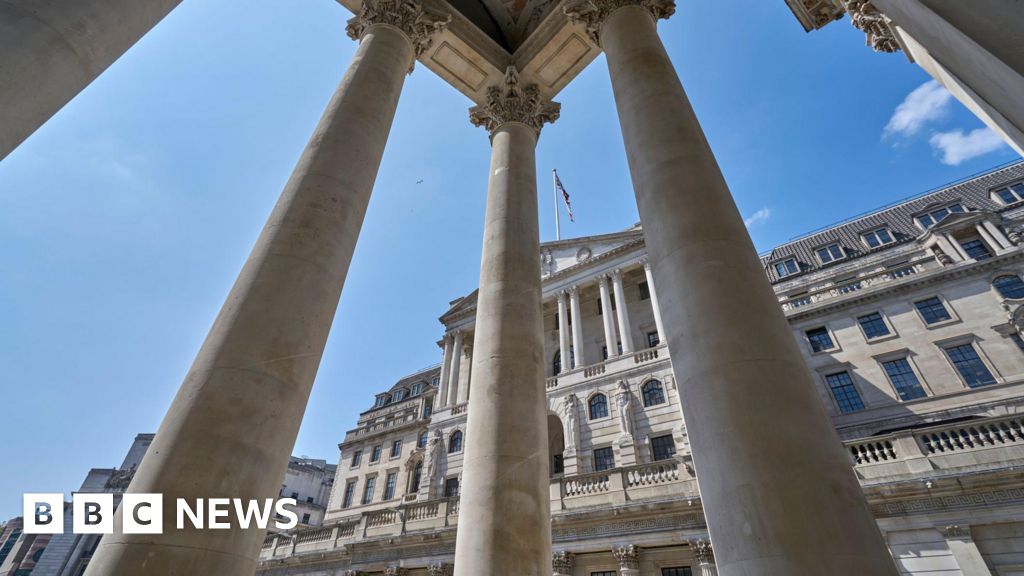
Timeline · newest first
4mos Financial Times

Bank of England warns of inflation risks as it holds rates at 3.75%

Assessment from MPC adds to sell-off in gilts and prompts traders to increase bets on higher borrowing costs

4mos Financial Times

BoJ holds rates and signals risks to growth and inflation from Iran war

Limited new information was made available on when the central bank might move next

Central Banks Maintain Rates Amid Inflation Concerns

1 outlet 2 reports
The brief

The Bank of England and the Bank of Japan have both decided to hold interest rates steady, citing inflation risks and economic uncertainties.

Context

The Bank of England's decision comes as it assesses inflation risks, which has led to a sell-off in gilts and increased speculation about future borrowing costs. Meanwhile, the Bank of Japan has also opted to maintain its current rates, highlighting potential risks to growth and inflation stemming from geopolitical tensions.S1S2

Key points

  • The Bank of England has held its interest rates at 3.75%.S1
  • The Monetary Policy Committee's assessment has contributed to a sell-off in gilts.S1
  • Traders are increasing bets on higher borrowing costs following the Bank of England's assessment.S1
  • The Bank of Japan has also decided to keep its rates unchanged.S2
  • The Bank of Japan's decision reflects concerns over growth and inflation risks related to the Iran war.S2
  • Limited new information was provided by the Bank of Japan regarding future rate changes.S2
  • Both central banks are navigating complex economic landscapes influenced by inflation and geopolitical events.S1S2
  • Market reactions indicate heightened sensitivity to central bank signals regarding future rate adjustments.S1

Why it matters

  • Central bank decisions on interest rates directly impact borrowing costs for consumers and businesses.S1S2
  • Inflation concerns can influence economic stability and growth prospects in both the UK and Japan.S1S2
  • Market volatility in response to central bank assessments can affect investor confidence and financial markets.S1

What to watch

  • Monitor upcoming statements from the Bank of England for indications of future rate changes.S1
  • Watch for developments in geopolitical tensions that may influence the Bank of Japan's policy decisions.S2
  • Keep an eye on market reactions to central bank communications as they may signal shifts in economic outlook.S1S2

Timeline · newest first

Sources · 2 citations

S1S2 Financial Times 2 reports · EN