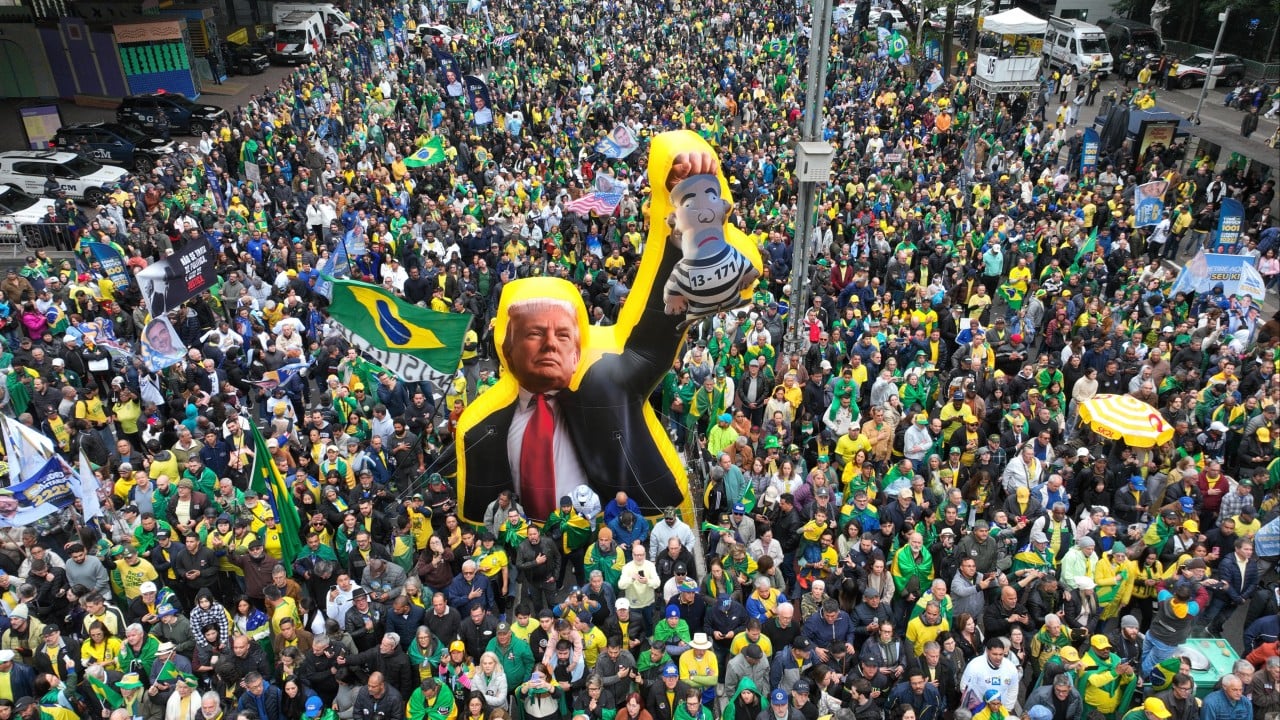
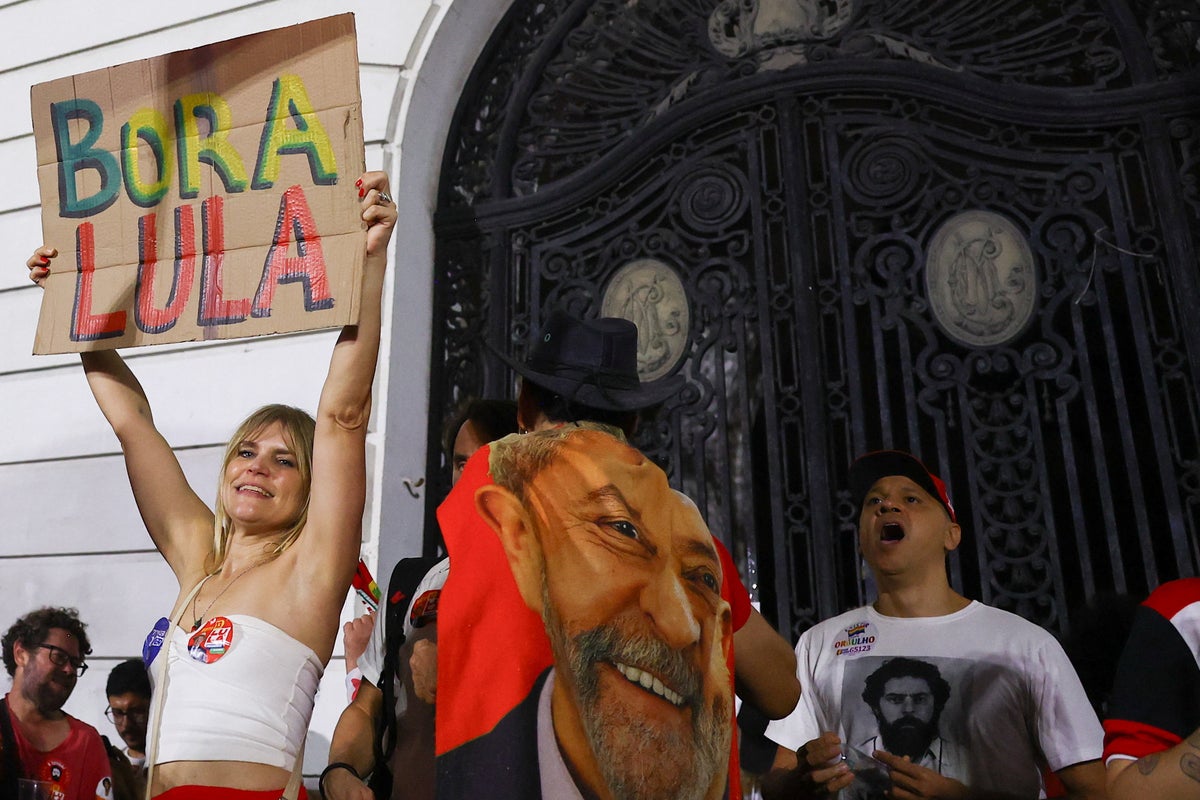
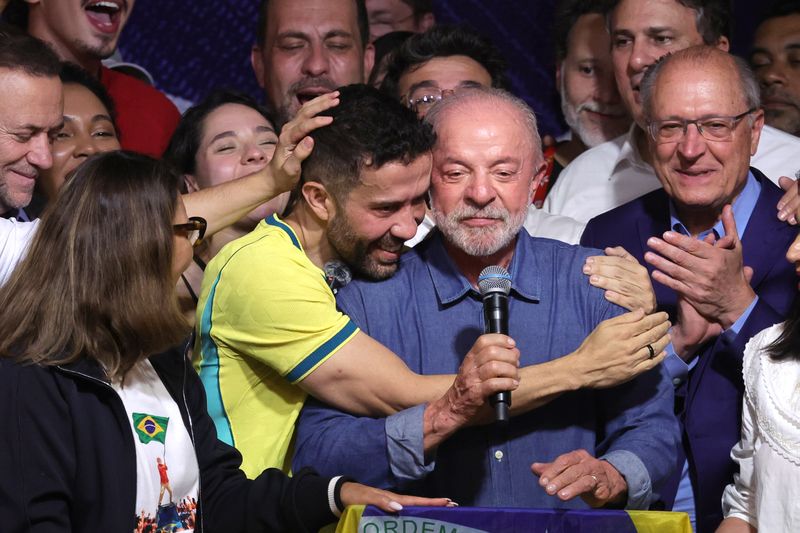
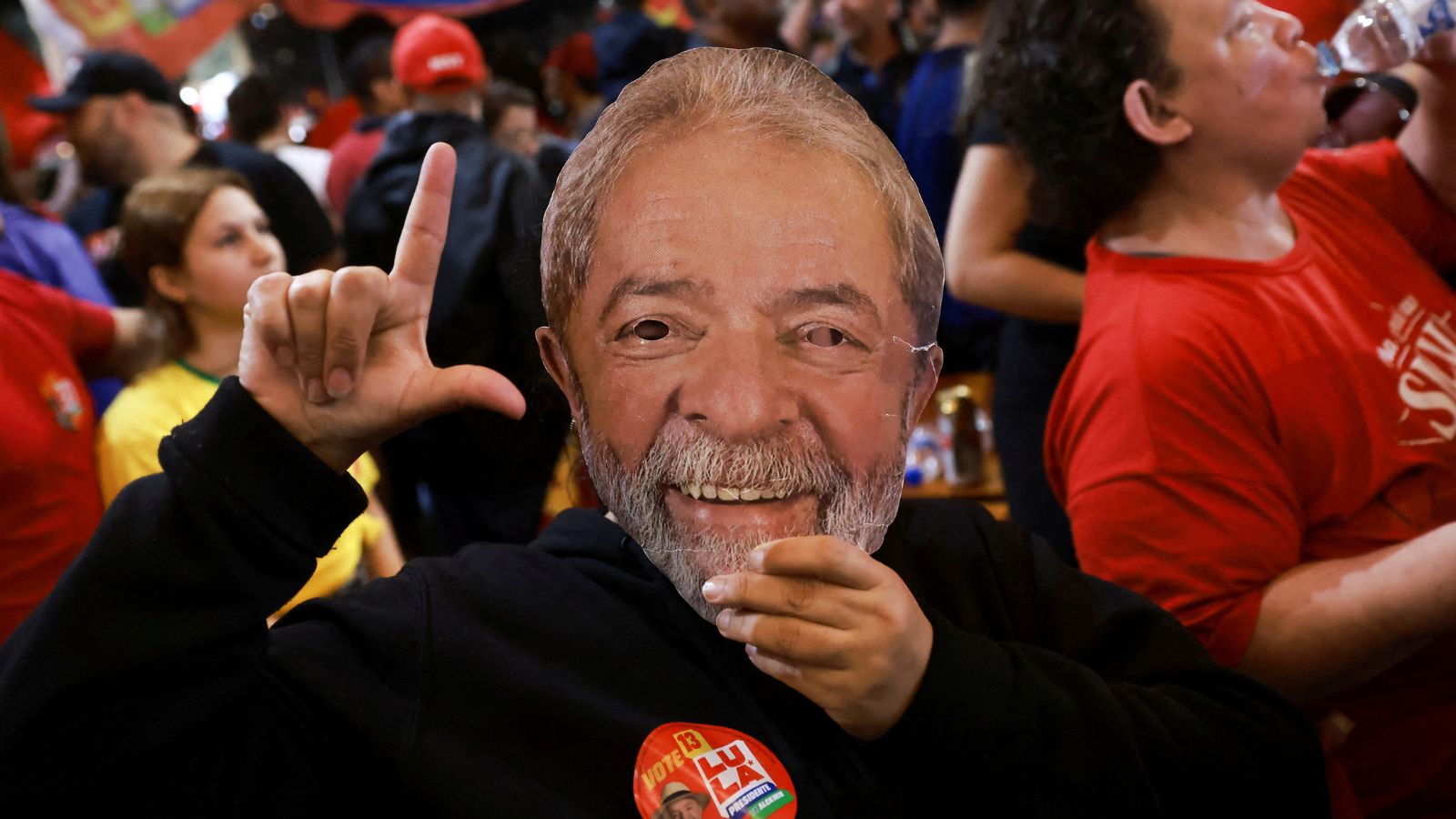
In a significant political turnaround, President Luiz Inácio Lula da Silva has secured re-election, defeating Flávio Bolsonaro, the eldest son of the right-wing leader he previously ousted. With all votes counted, Lula garnered 51.8% of the total, leading his opponent by nearly 4.4 million votes, as announced by Brazil's electoral court. This victory marks a dramatic shift from the first round of voting, where Lula faced a more challenging landscape, but ultimately surged ahead in the run-off election.
The electoral outcome has been met with widespread celebration among leaders across the Americas. Mexico's President has proclaimed, "The people of Brazil won!" reflecting the sentiment that Lula's victory symbolizes a broader progressive movement in the region. The maps detailing the election results illustrate the areas where Lula made significant gains, showcasing his appeal across various demographics and regions in Brazil.S2S3
Lula's re-election is seen as a pivotal moment in Brazilian politics, as it not only reinstates a progressive agenda but also signifies a rejection of the right-wing policies associated with Jair Bolsonaro's administration. Lula's victory is expected to influence Brazil's domestic and foreign policies, particularly in relation to environmental issues and international cooperation within the Americas. As Lula prepares to take office again, the implications of his leadership will be closely monitored both within Brazil and abroad.S1S3