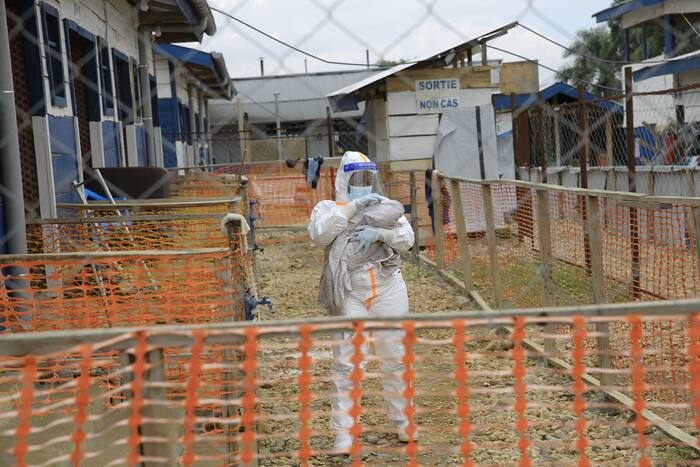
The Ebola outbreak in the Democratic Republic of the Congo has surpassed 11,000 confirmed cases, with the government reporting a staggering 11,042 infections and 5,387 fatalities, marking it as the deadliest outbreak in the country's history. Declared in mid-May, the outbreak has been exacerbated by a multitude of challenges, including ongoing armed conflicts, a deteriorating health system, and significant public mistrust towards health authorities, leading to violent incidents against medical personnel and facilities.
The Bundibugyo virus, which is responsible for this outbreak, poses a significant threat as there is currently no known vaccine or treatment available. The disease has spread to eight of the Democratic Republic of the Congo's 26 provinces, with health officials particularly concerned about the resurgence of violence in Ituri and North Kivu provinces. These regions have been identified as major hotspots for the outbreak, complicating efforts to provide necessary medical care and support to affected communities.S1S2
Health authorities are calling for an immediate cessation of hostilities to ensure that health workers can access those in need without fear of attack. The situation is further complicated by poor infrastructure and misinformation, which have led to community resistance against health interventions. Experts are urging for increased efforts to contain the disease, as it has already spread to neighboring countries including Uganda, Kenya, and Nigeria, raising alarms about a potential regional health crisis.S1S2


