Story Iran Conflicts

Economic Impact of the Iran War

Iran
The brief

The ongoing conflict in Iran is beginning to have significant repercussions on the global economy, affecting various sectors and regions.

Context

As the war in Iran escalates, markets and policymakers are grappling with scenarios that were previously hoped to be avoided, leading to a ripple effect across the global economy.S1

Key points

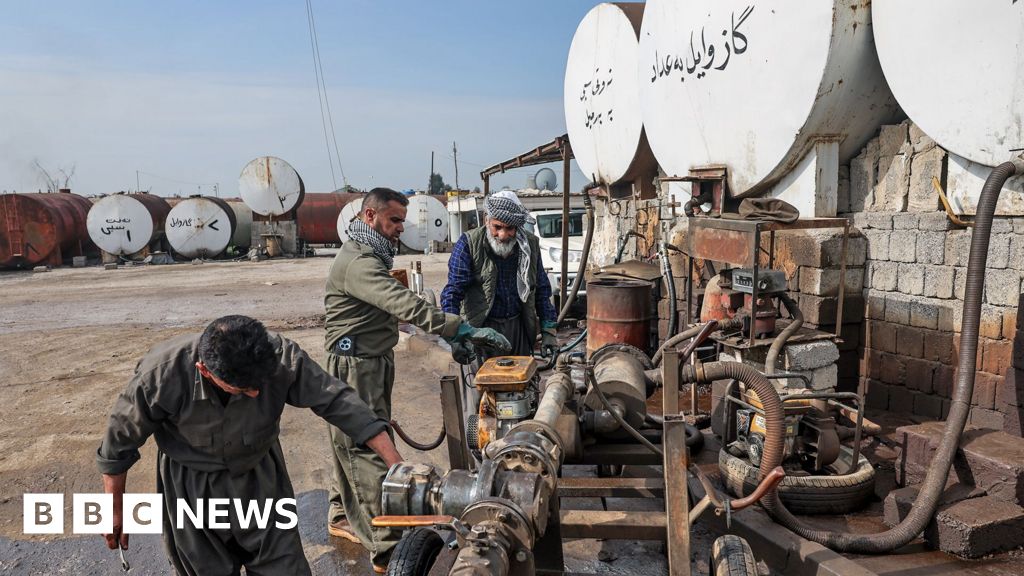
  • The Strait of Hormuz has been blocked due to the conflict, impacting oil producers in the Middle East.S2
  • Heating oil prices have surged, particularly affecting households in regions like Yorkshire.S2
  • School closures in Pakistan are being implemented as a cost-saving measure amid rising energy costs.S2
  • The war is creating a divide between global winners and losers, with some regions benefiting while others suffer.S2
  • Financial fallout from the conflict is being felt across various sectors, indicating widespread economic implications.S2
  • Policymakers are now facing the realities of scenarios they had hoped to avoid, which could lead to further economic instability.S1
  • The conflict is expected to scar the global economy, with long-term effects on trade and energy prices.S1
  • Increased geopolitical tensions are likely to exacerbate existing economic challenges worldwide.S1

Why it matters

  • The economic impact of the war could lead to higher living costs for consumers globally, affecting everyday expenses.S2
  • Energy supply disruptions may lead to increased volatility in global markets, impacting investments and economic growth.S1
  • Understanding the winners and losers can help businesses and governments strategize for future economic conditions.S2

What to watch

  • Monitor developments in the Strait of Hormuz as any changes could significantly impact oil prices and global trade.S2
  • Watch for potential policy responses from governments aimed at mitigating the economic fallout from the conflict.S1
  • Keep an eye on the energy market trends as they may indicate broader economic shifts resulting from the war.S1
Timeline · newest first
7mos Financial Times

Iran war will scar the global economy

Scenarios that markets and policymakers hoped to avoid are now materialising

Economic Impact of the Iran War

2 outlets 2 reports
The brief

The ongoing conflict in Iran is beginning to have significant repercussions on the global economy, affecting various sectors and regions.

Context

As the war in Iran escalates, markets and policymakers are grappling with scenarios that were previously hoped to be avoided, leading to a ripple effect across the global economy.S1

Key points

  • The Strait of Hormuz has been blocked due to the conflict, impacting oil producers in the Middle East.S2
  • Heating oil prices have surged, particularly affecting households in regions like Yorkshire.S2
  • School closures in Pakistan are being implemented as a cost-saving measure amid rising energy costs.S2
  • The war is creating a divide between global winners and losers, with some regions benefiting while others suffer.S2
  • Financial fallout from the conflict is being felt across various sectors, indicating widespread economic implications.S2
  • Policymakers are now facing the realities of scenarios they had hoped to avoid, which could lead to further economic instability.S1
  • The conflict is expected to scar the global economy, with long-term effects on trade and energy prices.S1
  • Increased geopolitical tensions are likely to exacerbate existing economic challenges worldwide.S1

Why it matters

  • The economic impact of the war could lead to higher living costs for consumers globally, affecting everyday expenses.S2
  • Energy supply disruptions may lead to increased volatility in global markets, impacting investments and economic growth.S1
  • Understanding the winners and losers can help businesses and governments strategize for future economic conditions.S2

What to watch

  • Monitor developments in the Strait of Hormuz as any changes could significantly impact oil prices and global trade.S2
  • Watch for potential policy responses from governments aimed at mitigating the economic fallout from the conflict.S1
  • Keep an eye on the energy market trends as they may indicate broader economic shifts resulting from the war.S1
Timeline · newest first

Sources · 2 citations

S1 Financial Times 1 report · EN
S2 BBCLead 1 report · EN