The brief
The ongoing assassinations of Iranian leaders are reshaping the political landscape, leading to a more hardline stance among successors.
Context
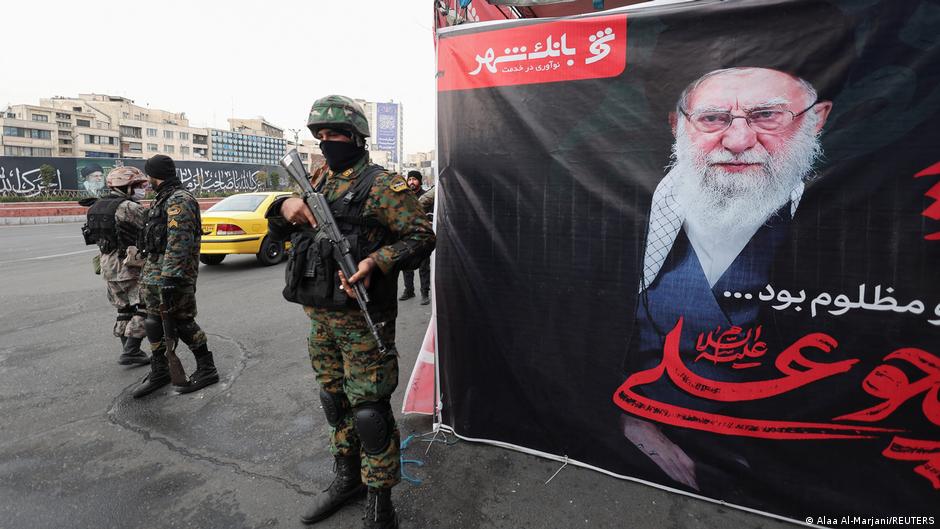
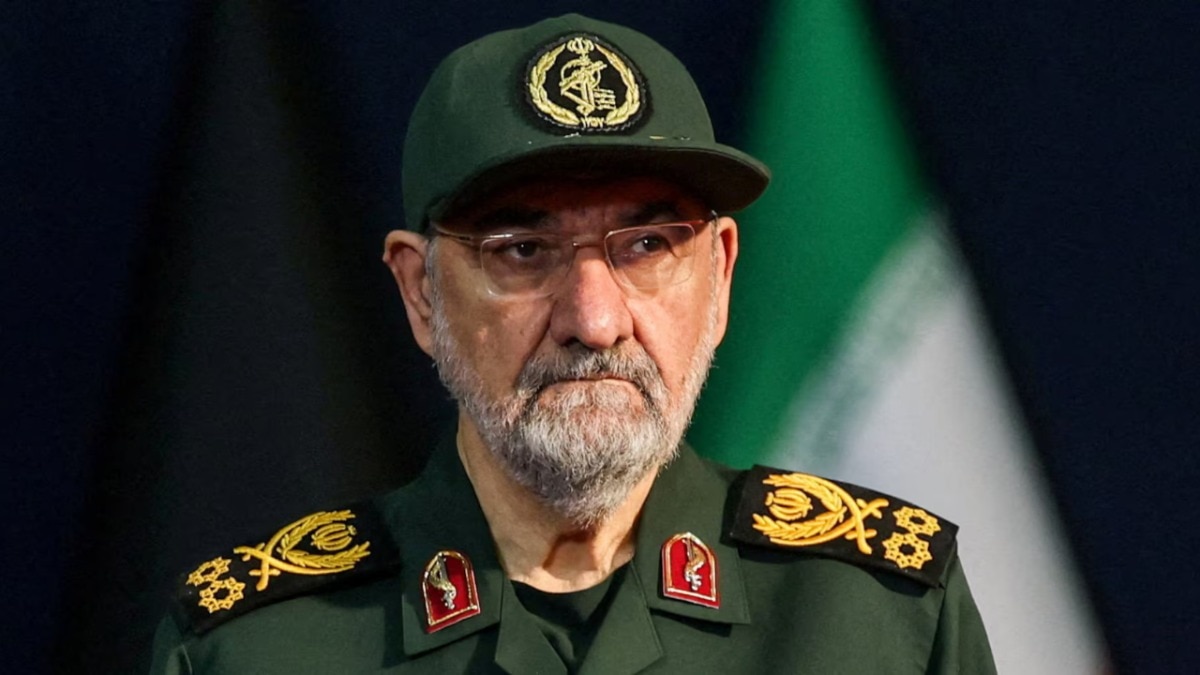
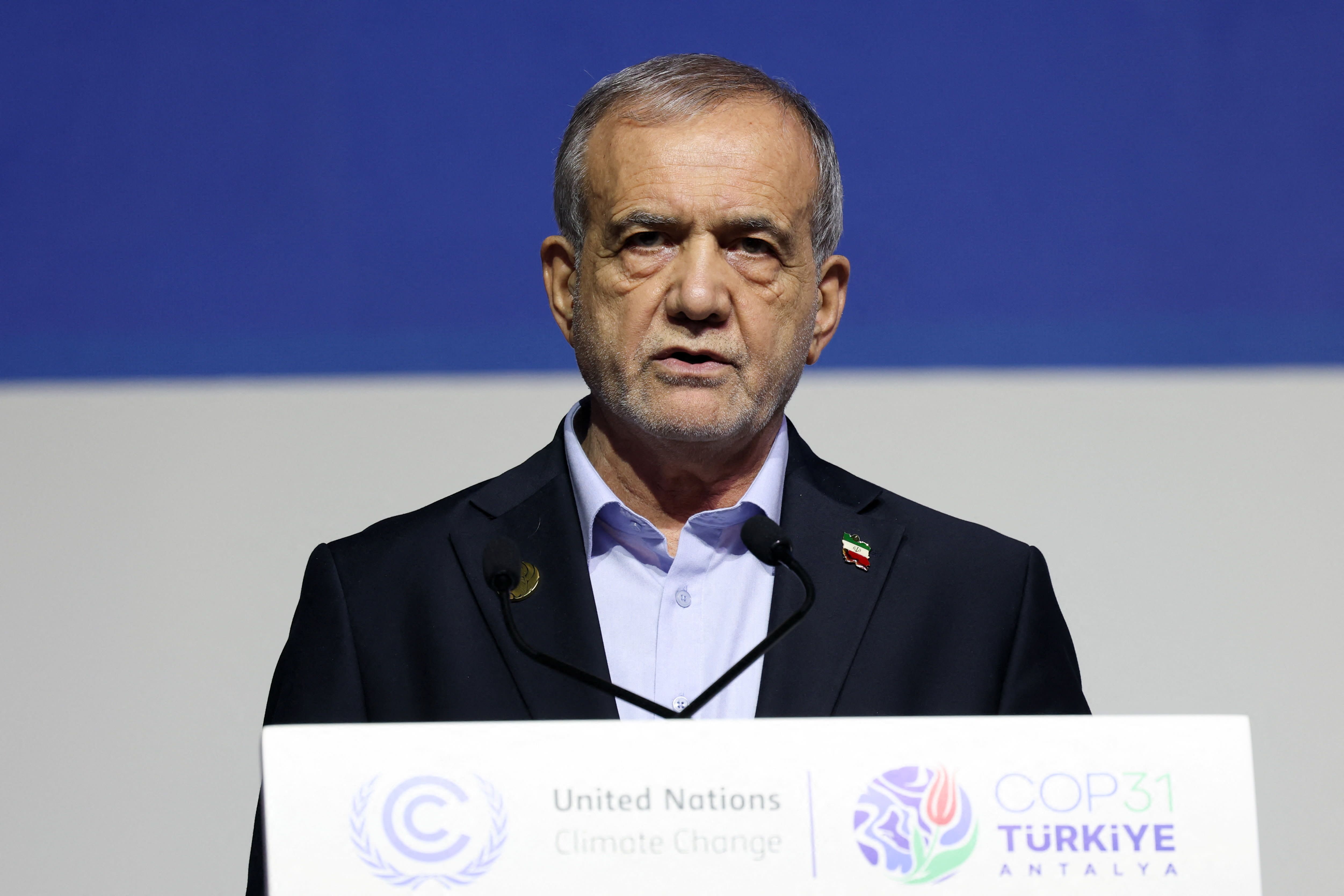
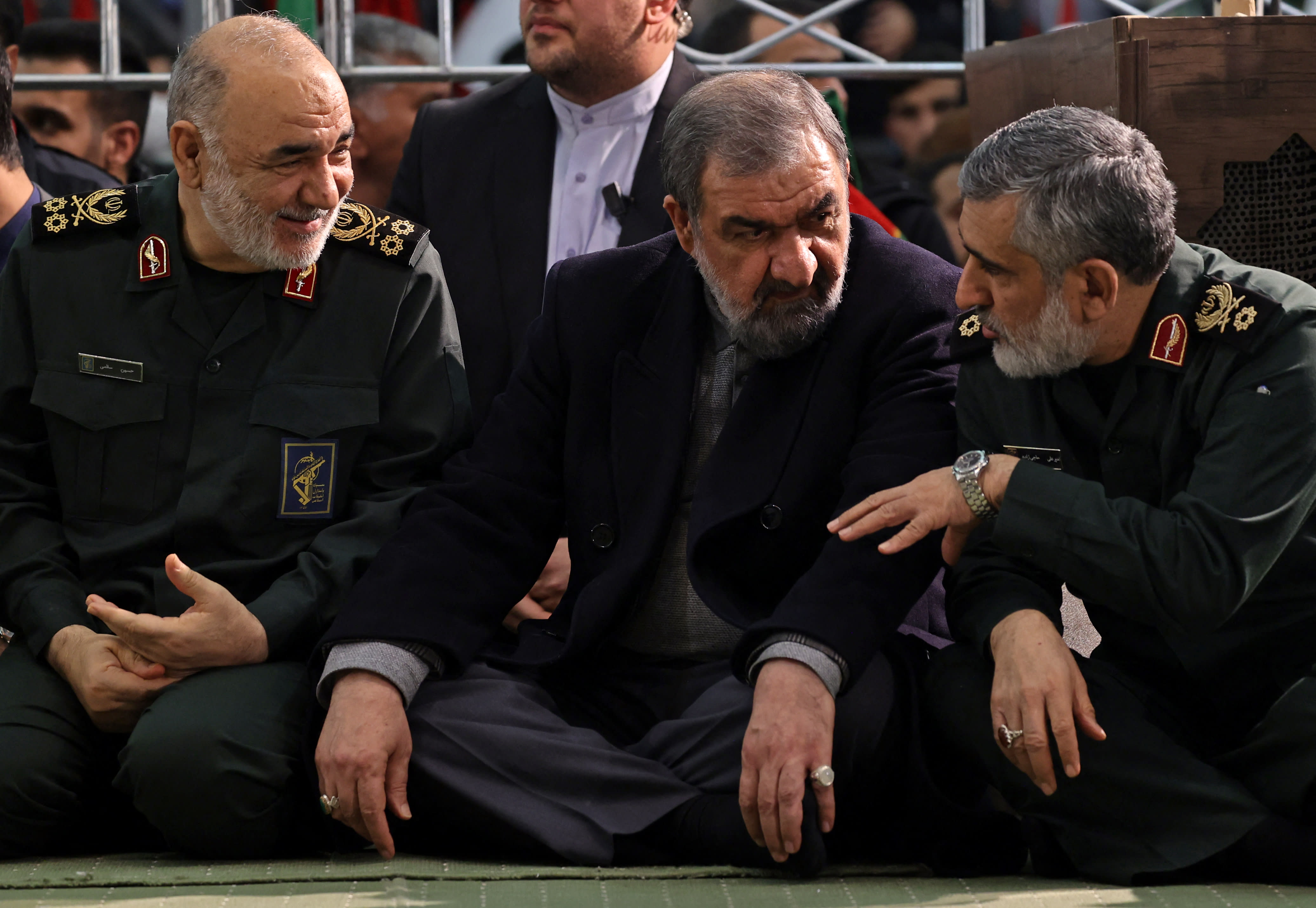
The Iranian regime is experiencing a significant leadership crisis due to the targeted killings of its key figures, which has resulted in a shift towards more uncompromising leadership.S1S2
Key points
- Most of Iran's leadership has been decimated through assassinations.S1S2
- The new leaders emerging are reportedly less willing to negotiate.S1S2
- Washington's strategy of decapitation strikes may be counterproductive.S1S2
- The political vacuum created by these assassinations complicates diplomatic efforts.S1S2
- The hardline successors may escalate tensions in the region.S1S2
- There is a growing concern about the stability of the Iranian regime.S1S2
- International observers are questioning the effectiveness of current U.S. policies.S1S2
- The situation may lead to increased military confrontations.S1S2
Why it matters
- The shift to hardline leadership could hinder future negotiations on nuclear and regional issues.S1S2
- Increased tensions may destabilize the broader Middle East region.S1S2
- The effectiveness of U.S. foreign policy in the region is under scrutiny.S1S2
What to watch
- Monitor the responses from Iranian leadership to external pressures.S1S2
- Watch for potential shifts in U.S. strategy regarding Iran.S1S2
- Observe regional reactions from neighboring countries to Iran's hardline stance.S1S2